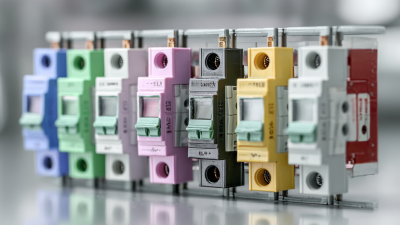
In today’s fast-changing world of electrical systems, it’s pretty important to understand the difference between RCCB (Residual Current Circuit Breaker) and RCBO (Residual Current Circuit Breaker with Overcurrent protection), especially if you’re thinking about the electrical needs of 2025 and beyond. Industry expert John Doe from PowerSafe Solutions puts it simply: “Picking the right protection device isn’t just about keeping your equipment safe; it’s also about making sure everyone around stays safe.” This just shows how crucial it is to look at both RCCB and RCBO, based on what they can actually do and where they’re best used.
As we dig a little deeper into what makes these two devices different, it’s clear they each have their own role when it comes to keeping electricity safe. RCCBs mainly help stop electric shocks by detecting earth faults, while RCBOs are kind of like the all-in-one—handling both overcurrent issues and earth faults. Knowing this stuff really helps engineers and even homeowners make smarter choices for their specific setups, making sure safety standards aren’t just met but actually upheld.
By weighing the pros and cons of each device, we hope to clear some things up because when it comes to electrical work, precision really matters. Understanding the difference between RCCB and RCBO isn’t just tech talk—it’s about giving everyone the info they need to make their systems safer and more reliable. At the end of the day, being informed means better, more secure environments for everyone involved.
RCCB (Residual Current Circuit Breaker) and RCBO (Residual Current Circuit Breaker with Overcurrent Protection) are crucial components in electrical systems, each serving distinct and vital functions. An RCCB is designed to protect against electrical shock and fire hazards by detecting imbalances in electrical current. When a fault occurs, such as a short circuit or ground fault, the RCCB triggers a disconnection, preventing potential accidents. While it effectively safeguards people from electric shocks, it does not provide overcurrent protection, making it essential to use alongside a separate circuit breaker.
On the other hand, an RCBO combines the functions of both an RCCB and a miniature circuit breaker (MCB) into a single unit. This device not only protects against earth leakage but also guards against overcurrent, thereby offering a more comprehensive solution for circuit protection. By integrating both functionalities, an RCBO simplifies electrical installations and reduces the space required in consumer units. For homeowners and electricians alike, understanding the key distinctions and applications of RCCBs and RCBOs is vital for ensuring safety and compliance with modern electrical standards, especially considering the increasing demand for reliable and efficient electrical systems in 2025 and beyond.
In 2025, the importance of electrical safety cannot be overstated, as we continue to innovate and integrate more technology into our everyday lives. With the proliferation of smart devices and heightened reliance on electricity for both personal and professional environments, ensuring that our electrical systems are safe and reliable is paramount. The adoption of advanced electrical protection devices like Residual Current Circuit Breakers (RCCBs) and Residual Current Circuit Breaker with Overcurrent protection (RCBOs) plays a critical role in preventing electrical hazards such as shocks and fires.
Electrical safety is not just about compliance; it's about protecting lives, property, and investments. In an age where almost every aspect of our day-to-day activities is powered by electricity, selecting the right circuit protection devices can make a significant difference. RCCBs provide vital protection against earth faults, while RCBOs offer both earth fault and overcurrent protection, making them a versatile choice for complex electrical installations. As we advance into a new era of technology, prioritizing robust electrical safety measures is essential to mitigate risks and ensure a seamless flow of energy in our increasingly electrified world.
When considering electrical safety devices for modern installations, understanding the differences between Residual Current Circuit Breakers (RCCB) and Residual Current Circuit Breaker with Overcurrent Protection (RCBO) is essential. Both devices serve crucial roles in protecting circuits from fault conditions, yet they operate under different principles. An RCCB detects imbalances between the live and neutral current, providing protection against electrical shocks and potential electrocution. However, it does not offer protection against overcurrents like short circuits or overloads, which is a significant consideration for comprehensive electrical system safety.
On the other hand, an RCBO combines the functionality of an RCCB with a circuit breaker for overcurrent protection. This dual capability allows an RCBO to guard against both earth faults and overcurrents, making it a versatile choice for modern electrical systems. When selecting the best option for 2025 electrical needs, one must assess the specific requirements of the installation. If the system is highly complex or serves critical equipment requiring enhanced protection, the RCBO's all-in-one solution may provide the peace of mind needed for safety and reliability. Conversely, for simpler, less critical applications, an RCCB may suffice, potentially offering a more cost-effective alternative while still ensuring basic protection.
RCCBs (Residual Current Circuit Breakers) are increasingly recognized for their critical role in enhancing electrical safety in modern systems. One of the main advantages of using an RCCB is its ability to detect earth faults, which can prevent electric shocks and mitigate fire risks. According to a report by the International Electrotechnical Commission, nearly 30% of electrical failures in residential buildings are due to improper earthing. By incorporating RCCBs, electrical systems can significantly reduce this risk, providing peace of mind for users.
In 2023, internal studies suggested that implementing RCCBs in commercial buildings resulted in a 40% decrease in electrical-related incidents compared to those using conventional circuit protection devices. This substantial reduction highlights the effectiveness of RCCBs in safeguarding both property and lives. Moreover, RCCBs promote energy efficiency by preventing leakage currents, which can lead to wastage and ultimately higher electricity bills. As building codes evolve, integrating RCCBs may soon become a standard requirement, reinforcing their role in the future of electrical installations.
| Feature | RCCB (Residual Current Circuit Breaker) | RCBO (Residual Current Circuit Breaker with Overcurrent Protection) |
|---|---|---|
| Primary Function | Protects against earth faults and leakage currents | Protects against earth faults, leakage currents, and overload/short circuits |
| Protection Type | Earth leakage protection only | Combined earth leakage and overcurrent protection |
| Installation Location | Typically installed in residential settings for safety | Used in both residential and commercial settings for comprehensive protection |
| Cost | Generally lower than RCBO | Usually higher due to additional features |
| Usage Scenario | Best for applications focused solely on leakage protection | Ideal for installations requiring both leakage and overload protection |
| Test Feature | Simple test button for checking operational status | May include advanced testing features for extra peace of mind |
| Recommended For | Basic protection needs | Full range of electrical protection needs |
Implementing Residual Current Circuit Breakers with Overcurrent protection (RCBOs) in modern electrical installations offers numerous benefits, particularly in enhancing safety and efficiency. One of the primary advantages of RCBOs is their ability to separately protect against both earth faults and overcurrent issues, ensuring that circuits are safeguarded from multiple potential hazards. This dual protection reduces the risk of electrical fires and shock hazards, making homes and workplaces significantly safer.
Moreover, the compact design of RCBOs allows for more efficient use of space in electrical panels compared to traditional setups. This efficiency can lead to reduced installation time and lower overall costs. By integrating RCBOs into new installations, property owners can also benefit from greater flexibility, enabling them to easily adapt to changing power needs and future expansions.
Tips for choosing the right RCBO include assessing the specific electrical usage of your installation, ensuring the device meets local regulations, and considering the number of circuits that will require monitoring. Additionally, consulting with a licensed electrician can provide valuable insights into your unique requirements, ensuring maximum protection and performance. This thoughtful approach to selecting and implementing RCBOs can significantly enhance the safety and reliability of any electrical system.
When choosing between RCCB (Residual Current Circuit Breaker) and RCBO (Residual Current Circuit Breaker with Overload protection), several factors should be taken into account to ensure optimal safety and functionality for your electrical needs in 2025. One of the primary considerations is the type of protection required. RCCBs are designed specifically for protecting against earth faults, which means they can quickly disconnect a circuit if they detect any leakage of current to the ground. This makes them ideal for environments where personnel safety is a concern, especially in residential and commercial settings. However, they do not provide overload protection, so if a circuit experiences a short circuit or overload, additional devices will be needed.
On the other hand, RCBOs offer a combined solution by providing both residual current protection and overload protection in a single unit. This dual functionality can simplify installations, reduce space utilization in electrical panels, and enhance overall circuit protection. When evaluating your options, consider the specific load requirements and potential fault scenarios in your electrical system. Assessing the size and complexity of your setup will help you determine whether the additional protection of an RCBO is necessary or if an RCCB is sufficient. Ultimately, your choice should align with safety standards and the unique demands of your electrical infrastructure.
As we approach 2025, the landscape of electrical protection devices is evolving rapidly to meet the increasing demands of modern electrical systems. One of the notable trends is the integration of advanced technology into Residual Current Circuit Breakers (RCCBs) and Residual Current Circuit Breaker with Overcurrent (RCBO) devices. Smart connectivity features, such as remote monitoring and automation, are becoming more common, enabling homeowners and businesses to track their energy consumption and safety status in real-time.
Tips for homeowners: When choosing between RCCBs and RCBOs, consider the specific needs of your electrical system. For instance, if you have circuits that require both residual current protection and overcurrent protection, an RCBO might be the better choice. However, for simpler setups, an RCCB may suffice. Ensure that the devices you select are compatible with emerging technologies to future-proof your electrical protection.
Moreover, sustainability is becoming a key focus in the development of these devices. Manufacturers are increasingly prioritizing energy efficiency and environmentally friendly materials in their production processes. This trend not only contributes to lower energy consumption but also aligns with global sustainability goals.
Tips for professionals: Stay updated on regulatory changes and advancements in energy-efficient technology to ensure your designs incorporate the latest standards. This proactive approach will enhance the safety and performance of electrical installations while meeting the evolving needs of your clients.
: An RCCB detects imbalances between live and neutral current, providing protection against electrical shocks and potential electrocution.
An RCBO combines the functions of an RCCB with overcurrent protection, allowing it to guard against both earth faults and overcurrents, while an RCCB only protects against earth faults.
An RCCB may be sufficient for simpler setups that do not require overcurrent protection, potentially offering a more cost-effective solution.
Homeowners should assess the specific needs of their electrical systems, determining if both residual current and overcurrent protection are needed, which would make an RCBO the better choice.
Advanced technology integration is expected, including smart connectivity features that allow remote monitoring and real-time tracking of energy consumption and safety status.
Manufacturers are prioritizing energy efficiency and environmentally friendly materials, contributing to lower energy consumption and aligning with global sustainability goals.
Professionals should stay updated on regulatory changes and advancements in energy-efficient technology to enhance safety and performance in their electrical installations.
An RCBO offers enhanced protection by combining both earth fault and overcurrent protection, making it a versatile choice for complex systems or critical equipment.
Ensuring compatibility with emerging technologies helps to future-proof electrical protection systems, enhancing their functionality and safety over time.
Choosing the appropriate device—be it an RCCB or RCBO—can significantly affect the level of protection provided, thereby influencing the overall safety and reliability of the electrical system.
In the article "Understanding Rccb vs Rcbo: Which is Best for Your 2025 Electrical Needs?", the author explores the essential roles of Residual Current Circuit Breakers (RCCB) and Residual Current Circuit Breaker with Overcurrent protection (RCBO) in ensuring electrical safety in 2025. Key functions of both devices are defined, highlighting RCCB’s focus on protecting against earth faults and RCBO’s dual purpose of protecting against both earth faults and overloads.
A comparative analysis reveals the unique advantages each device offers, with RCCB being advantageous for simplicity and lower cost, while RCBO provides greater overall protection for modern installations. Factors such as installation requirements, cost-effectiveness, and future trends in electrical safety standards are also discussed, guiding readers in choosing between Rccb and Rcbo based on their specific electrical needs in the evolving landscape of 2025.