A PV panel, often called a photovoltaic panel, is basically what turns sunlight into usable electricity. It works through these tiny semiconductor cells—usually made from silicon. When sunlight hits these cells, photons transfer their energy to electrons, causing them to move. That movement is what creates direct current, or DC electricity.
Now, having solar panels on your house is just part of the story. To actually use the power at home, you’ll need an inverter—a device that changes that DC into the alternating current (AC) your appliances run on. Plus, you’ll need mounting rails, cables, safety devices, and monitoring gear to keep everything running safely. On a sunny day, especially when the sun’s right overhead, the panels can produce pretty strong output. But things like clouds, dust, shade, how hot the panels get, or the roof’s angle can all make a difference and possibly cut down performance a bit. Trust me, those little details really do matter.
That explanation is a decent starting point, but honestly, it’s not the whole picture. The actual results you get depend on a bunch of things—how well the system is designed, your local weather, the exact angle and orientation of the installation, and how often you check and maintain everything. It’s a good idea to have a professional do an assessment, making sure it’s up to code, safe structurally, and fire-safe. Regular inspections help catch any performance dips that might sneak in over time. And keep in mind, all those software performance estimates? They provide useful info, but they’re not guarantees. Every house is different, after all.
A good, honest installer should be clear about what assumptions they’re making, what kind of energy you can expect, what warranties come with the system, and any limitations you should be aware of—all in plain language. Understanding how these panels actually work helps you ask better questions before you commit. It also sets realistic expectations about how much money you’ll save, how dependent you’ll be on the grid, and how long your equipment might last. Sure, mistakes can happen—nobody’s perfect. But planning carefully really helps minimize those risks and make the whole process smoother.
A photovoltaic (PV) panel converts sunlight into electrical power. Inside, many solar cells use semiconductor material, usually silicon. When photons strike a cell, they release electrons and create direct current (DC). Metal contacts collect this current and send it through wiring.
A single cell produces limited power, so manufacturers connect cells into a module. Several modules form a larger panel or array. Typical modern panels reach about 20–23% efficiency under standard test conditions. This means they convert roughly one-fifth of received sunlight into electricity. Real output is often lower because heat, shade, dust, roof angle, and cloudy weather reduce performance. A neat calculation can still mislead.
Tips: Check the roof around midday. Look for chimney shadows, nearby trees, and dirt buildup. Leave space for safe maintenance. Compare rated efficiency with expected yearly energy, not efficiency alone. Temperature also matters. Panels usually produce less power as they become hot. My own practical view is simple: careful site measurements matter more than impressive numbers. Even a small shading problem can change the result, and early estimates are never perfect.
What Is a PV Panel and How Does It Work?
A photovoltaic (PV) panel turns sunlight into direct-current electricity. Its basic unit is a photovoltaic cell, usually made from semiconductor material. When sunlight reaches the cell, photons transfer energy to electrons. These energized electrons move through an internal electric field. The movement creates an electrical current.
A rating of 1,000 W/m² represents a standard test condition, not constant outdoor sunlight. Under this irradiance, a panel’s stated power can be measured consistently. Real conditions change with clouds, season, location, dust, and panel temperature. Strong sunlight can increase output, but excessive heat often reduces voltage. An inverter then changes the panel’s direct current into alternating current for household equipment. In field inspections, loose connections and partial shade often cause larger losses than expected.
Tips: Check the panel’s test conditions before comparing power ratings. Keep the surface clean, but avoid abrasive tools. Watch shadows from trees, railings, and nearby structures. A small shadow may affect several connected cells. The physics is clear. The field result is less perfect. Even a well-designed system can produce uneven output during changing weather. Measuring energy over several days gives more useful evidence than reading one midday value.
| Data Dimension | Typical Value or Range | Unit | What It Means | Reference Condition or Note |
|---|---|---|---|---|
| Photovoltaic Effect | Direct conversion of light into electricity | — | Photons transfer energy to electrons in a semiconductor, creating direct current. | Occurs in materials such as crystalline silicon and thin-film semiconductors. |
| Standard Test Irradiance | 1,000 | W/m² | Represents the solar power incident on one square metre of panel surface under standard test conditions. | Known as STC irradiance; real-world irradiance changes with weather, time, season, and panel orientation. |
| Standard Test Cell Temperature | 25 | °C | Provides a common temperature reference for comparing PV electrical performance. | Actual operating cell temperatures are often higher than ambient air temperature. |
| Reference Air Mass | 1.5 global | AM | Defines a standardised solar spectrum used for laboratory testing. | It approximates sunlight after passing through a representative atmospheric path. |
| Common PV Cell Material | Crystalline silicon | — | Silicon cells use a semiconductor junction to separate light-generated charge carriers. | Crystalline silicon is the dominant commercial PV technology, while thin-film technologies are also used. |
| Typical Cell Efficiency | Approximately 18–27% | % | Indicates the proportion of incident solar power converted into electrical power by a cell. | Values vary with cell architecture, manufacturing quality, temperature, and measurement method. |
| Typical Commercial Module Efficiency | Approximately 15–24% | % | Accounts for cell efficiency plus electrical, optical, spacing, and inactive-area losses within a finished module. | Module efficiency is normally lower than the efficiency of the best individual cells. |
| Estimated Module Power Density at STC | 150–240 | W/m² | Approximate electrical power produced per square metre of module area. | Calculated as 1,000 W/m² multiplied by module efficiency; this is a rated laboratory estimate. |
| Example Module Area | Approximately 1.6–2.2 | m² | Represents the surface area of many modern full-size PV modules. | Exact dimensions depend on the number, size, and arrangement of cells. |
| Example Rated Module Output at STC | Approximately 240–530 | W | Illustrates the approximate nameplate output of a module within the stated efficiency and area ranges. | Approximation based on module area multiplied by power density; actual ratings differ by design. |
| Electrical Output Type | Direct current | DC | PV cells and modules generate DC electricity when illuminated. | An inverter is normally used to convert DC electricity into alternating current for standard building loads and the grid. |
| Typical Silicon Cell Operating Voltage | Approximately 0.5–0.6 | V per cell | A single illuminated silicon cell produces a relatively low voltage. | Cells are connected in series inside a module to achieve a useful operating voltage. |
| Temperature Coefficient of Power | Approximately −0.20 to −0.50 | %/°C | Shows how maximum power generally changes as cell temperature rises above the reference temperature. | A negative value means power decreases as the cell becomes hotter; the exact value depends on the technology. |
| Effect of Partial Shading | Potentially significant power loss | — | Shading can reduce current in a series-connected cell string and affect the output of the entire string. | Bypass diodes and module-level power electronics can help limit, but do not eliminate, shading losses. |
| Effect of Irradiance Reduction | Power generally decreases as irradiance falls | — | Lower sunlight intensity usually reduces the current produced by the PV cell. | Voltage also changes, but generally less proportionally than current over normal operating conditions. |
| Energy Conversion Losses | Balance-of-system and operating losses | — | Real energy yield is reduced by temperature, wiring, mismatch, soiling, shading, inverter conversion, and downtime. | Actual annual production cannot be determined from STC ratings alone. |
| Panel Lifetime Expectation | Generally 25–35 years | years | PV modules can continue producing electricity for decades, although output gradually declines. | Long-term performance depends on materials, climate, installation quality, and maintenance. |
What Is a PV Panel and How Does It Work?
A photovoltaic panel converts sunlight into direct-current electricity through a semiconductor effect. Most panels use silicon, whose atoms form a stable crystal structure. When sunlight reaches the cell, photons transfer energy to electrons. Some electrons break free, leaving positively charged “holes” behind. That is the crucial moment.
A solar cell contains two silicon layers with different electrical properties. Their boundary forms a p-n junction and an internal electric field. This field pushes electrons toward one contact and holes toward the other. Metal conductors then guide the electrons through an external circuit, producing usable current. The current is direct, not alternating. An inverter changes it for household or grid equipment.
The physics is elegant, but field performance is less perfect. Heat, dust, shading, and resistance reduce output. The International Energy Agency’s Renewables 2024 report recorded about 425 gigawatts of new solar capacity in 2023, showing how quickly this technology is scaling. Yet scale does not remove losses. The Fraunhofer Institute’s Photovoltaics Report 2024 places common commercial silicon module efficiencies roughly between 20% and 23%, while laboratory silicon cells have exceeded 27%. These figures describe different testing conditions, so comparisons can mislead. A panel on a hot rooftop will usually produce less than its laboratory rating. That gap deserves more attention.
A photovoltaic panel begins with small solar cells made from semiconductor material. Each cell converts light into direct-current electricity through the photovoltaic effect. A single cell usually produces about 0.5 to 0.6 volts under operating conditions. That voltage is useful, but rarely sufficient for practical equipment.
Cells are connected in series to raise voltage. The positive contact of one cell joins the negative contact of the next cell. Current stays broadly similar, while voltage adds together. Several series-connected strings form a module, and conductors carry power to the junction box. Bypass diodes can help limit losses when part of the module is shaded. Small details matter here. One damaged connection can affect the whole string.
Manufacturers rate modules under Standard Test Conditions: 1,000 watts per square metre of sunlight, a 25°C cell temperature, and an AM1.5 reference spectrum. These numbers create a fair comparison, not a promise for every roof. Real panels become hotter, and voltage usually falls as temperature rises. Dust, wiring resistance, shading, and changing sunlight also reduce output. A careful installer checks the operating voltage, not only the advertised maximum. Datasheets look precise, but field conditions are less tidy.cutente
A photovoltaic panel produces direct current when sunlight excites cells inside its layered surface. Homes use alternating current, however, so the inverter becomes the system’s translator. It receives fluctuating DC power and creates synchronized AC electricity for household circuits. The conversion happens continuously, while output changes with clouds, shade, temperature, and panel angle.
A modern solar system includes more than panels and an inverter. DC cables carry energy from the array, while connectors and isolators support controlled maintenance. Maximum power point tracking helps the inverter adjust to changing sunlight conditions.
On the AC side, protective breakers, grounding equipment, and a production meter connect the system safely to the building. Some systems also include batteries, which store surplus energy for evening use.
Small details matter. A loose connector can create heat, and poor cable routing can expose insulation to water or sunlight. No installation is perfectly efficient. Energy is lost through wiring, conversion, dust, and high temperatures. A clear monitoring display can reveal these losses before they become expensive. Yet monitoring data may confuse new users, especially when daily production changes unexpectedly. Professional design should account for local electrical rules, roof conditions, ventilation, and future maintenance. A qualified technician must verify connections and protective devices before the system operates.
A PV panel converts sunlight into direct-current electricity through semiconductor cells. Sunlight excites electrons inside each cell. Their movement creates an electrical current. An inverter then changes this current into usable alternating current. The panel’s rated output is measured under controlled laboratory conditions, not on an ordinary roof.
Temperature strongly affects performance. As panel temperature rises, voltage usually falls. On a bright summer afternoon, a panel may feel too hot to touch while producing less power. Good airflow beneath the panel can reduce this effect. Shading is also important. A narrow shadow from a chimney can limit the output of several connected cells. Leaves, dust, and nearby buildings may create changing shadows throughout the day. Small shadows matter.
Orientation and tilt determine how directly sunlight reaches the panel. In many northern-hemisphere locations, a south-facing surface often performs well, but the best angle depends on the site. East- or west-facing panels can still generate useful energy, especially when morning or evening demand matters. During rooftop inspections, technicians should check cable connections, dirt, ventilation, and inverter readings. I once blamed weak output on shading, but a loose connection caused the larger loss. That mistake was useful. It showed why measured data matters more than visual guesses. Real systems also lose energy through wiring resistance, inverter conversion, temperature, and occasional equipment downtime.
What Is a PV Panel and How Does It Work?
A photovoltaic (PV) panel converts sunlight into electricity. Its silicon cells absorb photons and release electrical charges. Metal contacts collect this direct current, while an inverter changes it into alternating current for household use. On a clear rooftop, the panel may feel warm, but heat can slightly reduce its electrical output. That detail is easy to overlook.
Durability is a major reason people choose PV systems. Many panels include a 25-year output guarantee, but this usually means gradual performance, not original peak production. A common guarantee allows output to decline each year, often by roughly 0.3% to 0.8%, depending on the product and test conditions. After 25 years, a panel may still produce about 80% to 90% of its initial rated power. Not forever.
With careful installation and normal maintenance, a quality PV panel can operate for 30 to 40 years. Glass, frames, seals, and electrical connections face heat, freezing temperatures, hail, dust, salt air, and strong wind. Small cracks matter. Water intrusion can cause hidden faults. Regular visual checks and professional electrical inspections can identify damaged cables, hot spots, or loose mounting hardware. However, a warranty does not cover every installation problem, and real output can vary with shading, dirt, orientation, and local weather. I have seen older systems perform reliably, but uneven aging is common. A realistic assessment should examine the whole system, not only the panel label.
Photovoltaic panels convert sunlight into electricity. This chart uses a representative 0.5% annual output-degradation rate, a commonly cited industry benchmark, to illustrate long-term performance. Actual results vary with climate, installation quality, maintenance, and product design. A 25-year performance period is common, while many systems can remain operational for approximately 30–40 years.
As solar deployment accelerates, dependable protection at the panel level is becoming essential for safer, smarter photovoltaic systems. IRENA’s *Renewable Capacity Statistics 2024* reported that global solar capacity reached approximately 1,419 GW at the end of 2023, after more than 345 GW of new capacity was added during the year. This rapid expansion increases demand for reliable solar junction solutions that can organize parallel circuits, simplify maintenance, and help protect valuable equipment from harsh outdoor conditions.
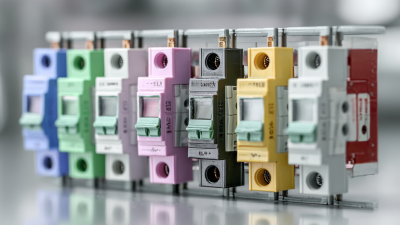
A high-end PV combiner box provides a practical connection point for multiple panel strings while supporting cleaner system layouts. Its overall panel design is both attractive and functional, and the fixed frame allows straightforward installation. Constructed from durable polycarbonate, the enclosure offers resistance to impact, fire, and ultraviolet exposure, helping maintain performance through prolonged sunlight and changing weather. Integrated waterproof and dustproof protection is especially useful for rooftop, agricultural, coastal, and industrial installations.
For locations exposed to moisture, airborne particles, or corrosive environments, an enclosure rated IP65 under IEC 60529 and EN 60309 offers a strong layer of environmental protection. By combining organized cable management with a robust enclosure, these hot-selling PV combiner boxes support safer inspections, more efficient troubleshooting, and dependable operation across modern panel systems.
: A photovoltaic panel converts sunlight into direct-current electricity. It contains many semiconductor cells, usually made from silicon. Photons release electrons inside each cell. Those moving electrons create electrical current.
One cell produces only about 0.5 to 0.6 volts. Cells connect in series to increase voltage. Several cell strings form a module. Multiple modules can create a larger solar array. Small wiring faults can affect an entire string.
It means the panel converts roughly one-fifth of received sunlight into electricity. This figure comes from controlled testing. Real output is often lower outdoors. Heat, dust, shade, and clouds reduce performance. The percentage alone does not predict yearly energy.
It is a standard test level for comparing panel power. It does not mean outdoor sunlight stays constant. Clouds, seasons, and location change irradiance. A single midday reading can mislead. Measure energy across several days.
Panels usually produce less power as they become hot. Strong sunlight can raise output, but heat often lowers voltage. A dark roof may increase operating temperature. Ventilation beneath the panel can help. Heat still complicates neat calculations.
Shadows from trees, chimneys, railings, or nearby buildings can reduce output. A small shadow may affect several connected cells. Bypass diodes can limit some losses. They cannot remove every shading problem. Check the roof around midday.
Standard Test Conditions use 1,000 W/m² sunlight and a 25°C cell temperature. They also use an AM1.5 reference spectrum. These conditions create a fair comparison between modules. They are not a promise for every roof. Field conditions are messier.
Compare rated efficiency with expected yearly energy. Inspect roof angle, shade, dust, and maintenance space. Check operating voltage, not only maximum advertised power. Keep surfaces clean without abrasive tools. I would trust careful measurements more than impressive numbers.
A Pv Panel is a device that transforms sunlight into usable electricity through photovoltaic cells, which are commonly made from silicon. Under standard test conditions of 1,000 W/m² irradiance and 25°C, individual cells generate direct current, while series wiring combines them into modules with practical voltage and power levels. Most modern panels achieve approximately 20–23% efficiency, although actual performance varies according to sunlight intensity, temperature, orientation, shading, dust, and other system losses.
Because homes and businesses typically use alternating current, an inverter converts the panel’s DC output into AC electricity for appliances or the wider electrical system. A complete installation may also include mounting structures, cables, monitoring equipment, and safety components. With proper design and maintenance, PV panels can provide dependable power for decades. Many systems are designed to retain useful output for around 25 years, while the physical panels may continue operating for 30–40 years, gradually producing less energy as they age.