0%

Picking the right MCB breaker isn’t just a technical detail—it’s actually pretty important for keeping your electrical setup safe and running smoothly. Basically, an MCB, or miniature circuit breaker, steps in to protect your circuits from overloads and short circuits. But here’s the thing: choosing the right one isn’t just about grabbing the first thing you see. You need to think about your power needs and what devices you’re protecting.

When you’re trying to decide which MCB to get, there are a few things to keep in mind. First off, the current rating is super important—it tells you how much current that breaker can handle without tripping. Also, consider what kind of load you’re dealing with and where it’s installed. Different setups might call for different ratings, so it’s not one-size-fits-all.

And honestly, lots of folks believe all MCBs are basically the same, but that’s not true and can lead to not enough protection. Taking a moment to think about your specific situation can really help you pick the right one. If you’re not sure, working with pros—like those at companies such as Schneider Electric—can make a big difference. Doing your homework beforehand helps prevent overloading and keeps everything safe.

So yeah, make sure you give this some thought. It’ll save you headaches down the line!

How to Choose the Right Mcb Breaker for Your Needs?

Understanding MCB Breakers: Definition and Functionality

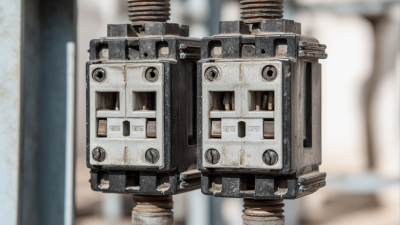
Miniature Circuit Breakers (MCBs) play a vital role in electrical safety. They automatically disconnect circuits when overloaded. This prevents circuit damage and reduces fire risks. Understanding their functionality is key to choosing the right type.

MCBs detect overcurrent quickly. This reaction is essential for protecting electrical devices. Various ratings are available depending on specific needs. Consider the load of devices you plan to use. Factors like voltage, current type, and distribution system matter. Too high a rating might not trip in time. On the other hand, a rating that’s too low may trip unnecessarily.

Installing an MCB requires careful thought. The placement should ensure accessibility for maintenance. Be mindful of local electrical codes when selecting. Regular testing is essential but often overlooked. Misinterpretations of MCB ratings can lead to improper installations, risking the safety of your home or business.

Types of MCB Breakers: Single Pole, Double Pole, and More

Choosing the right MCB breaker can be daunting with so many options. Among the most common types are single pole and double pole breakers. Each serves a specific purpose in residential or commercial settings. Single pole breakers protect a single circuit, suitable for lower-capacity circuits. Double pole breakers control higher voltage applications, commonly used for electric ovens or dryers.

Consider the number of circuits you need to protect. Single pole breakers are perfect for standard lighting and outlets. They tend to be more compact and easier to install. Double pole breakers take up more space and can be more complex. For larger projects, you might need a mix of both types.

Tip: Always check the amperage rating of your circuits. This ensures you select the right breaker for your safety and efficiency. A breaker too large won’t protect against faults, while one that’s too small might trip often.

Another point to consider is the layout of your home. The more circuits you have, the more MCBs you’ll need. It's essential to balance the number of single and double pole breakers. Think about your long-term needs too. You don’t want to invest in a solution that can’t adapt to future expansions.

Assessing Your Electrical Needs: Load Calculation Basics

When choosing the right MCB breaker, understanding your electrical needs is essential. Load calculation is the cornerstone of this process. It involves determining the total power consumption of your home or business. This calculation helps in selecting an MCB that can handle your specific load requirements. Industry reports suggest that many users underestimate their load, which can lead to inadequate protection.

Many homes have fluctuating power demands. For instance, appliances like refrigerators, HVAC systems, and washing machines significantly increase the load. According to the National Electrical Manufacturers Association, the average home may require a breaker rated between 30A and 100A. Failing to assess these needs accurately can result in frequent trips or potential electrical hazards.

Tip: List all electrical devices and their wattage. Add them up for an accurate total.

Sometimes, users overlook seasonal variations. During summer, air conditioners and fans draw more power. This seasonal shift can lead to the necessity for a higher-rated MCB. It is vital to review your load calculations periodically.

Tip: Re-evaluate your electrical needs every few years. Changes in technology and additional devices can impact load requirements.

Key Factors to Consider When Selecting an MCB Breaker

When selecting an MCB (Miniature Circuit Breaker), several key factors are crucial. The first factor is the electrical load. Understanding the total load in amps that the circuit will carry is essential. According to industry reports, 70% of electrical failures stem from inadequate load calculations. An accurate assessment can prevent mishaps.

Another important aspect is the breaking capacity. This determines how much fault current the MCB can handle. Data indicates that improperly rated devices may lead to safety hazards. For example, using an MCB with insufficient breaking capacity can result in serious damage during faults.

Lastly, consider the type of MCB. There are various types designed for different applications. Type B MCBs are suitable for residential usage, while Type C suits commercial needs better. However, many customers overlook these nuances, only to realize their choices were unsuitable. With approximately 65% of users seldom consulting professionals, making an informed decision becomes challenging.

How to Choose the Right MCB Breaker for Your Needs?

Criteria Description Recommended Rating
Current Rating The maximum current that the MCB can carry without tripping. 1A to 125A
Type of Load Consider whether the load is resistive or inductive (e.g. motors, heaters). B Type for resistive; C Type for inductive
Number of Poles Determines how many circuits can be protected. Single, Double, Triple, or Four-Pole
Tripping Characteristics Defines how quickly the MCB will trip under overload or short-circuit conditions. B, C, or D Type
Voltage Rating The maximum voltage the MCB can handle. 230V, 400V, etc.
Installation Environment Indoor or outdoor installation, as it affects the type of MCB required. IP Rating considerations
Compliance Standards Ensure the MCB meets local electrical standards and regulations. IEC, UL, etc.

Matching MCB Ratings with Circuit Requirements

How to Choose the Right Mcb Breaker for Your Needs?

Choosing the right MCB (Miniature Circuit Breaker) is crucial for electrical safety and efficiency. The rating of an MCB directly impacts how it responds to current overloads. It must match the circuit’s requirements to provide adequate protection without unnecessary disruptions. For example, a circuit powering a typical household appliance requires a different rating than a circuit intended for industrial equipment.

When matching MCB ratings, consider both the load and the cable size. A 16A MCB might be perfect for lighting circuits, while a 20A is more suitable for power outlets. It’s vital to assess the continuous load and peak demand accurately. Underestimating these factors may lead to frequent tripping or inadequate protection. Remember, each circuit has its unique demands.

Sometimes, users overlook their specific needs. They may purchase a breaker without understanding the nuances of their systems. This can lead to improper selection. It’s essential to reflect on the actual use case and the connected devices. A little diligence can help avoid potential issues and enhance system reliability. Balancing performance and safety is key in this selection process.

Installation Considerations for MCB Breakers

When installing an MCB breaker, several factors come into play. The type of wiring in your home significantly influences your choice. For instance, a home with older wiring may not support newer MCBs. Ensure compatibility with existing systems. Check circuit loads as well; not all breakers handle the same amount of current. It's essential to choose one that meets your specific requirements.

Positioning the MCB is also crucial. Ideally, they should be mounted in an easily accessible location. This allows for quick action in emergencies. Additionally, pay attention to the label on the breaker. It provides vital information about its specifications. Sometimes, misunderstandings arise about the rating. A wrong rating could lead to inefficient operation or tripping issues. Double-checking the specifications can save headaches later on.

Finally, consider the environment where the MCB will be installed. Humidity and temperature changes can affect performance. Some areas may require MCBs with higher protection ratings. Don’t overlook this detail. Even small oversights can lead to significant issues in the future. Proper planning is essential for a smooth installation. An informed choice today will benefit you tomorrow.

Common Mistakes to Avoid When Choosing an MCB Breaker

When selecting an MCB breaker, many make common mistakes that can lead to inefficiency and safety risks. One prevalent error is underestimating the current rating. Choosing an MCB with a lower rating than the load can result in tripping. According to industry reports, over 20% of homeowners face issues due to misjudged current capacities. Thus, accurate calculations based on expected loads are crucial.

Another mistake is neglecting to consider the type of load. Different appliances and systems require various protection types. For instance, motors may need a different approach than lighting circuits. Understanding the load type helps in choosing the appropriate MCB. In fact, 35% of users switch MCB types after experiencing issues with mismatched devices.

Tips: Always check your load calculations thoroughly. Over-reliance on assumptions can lead to problems. Another tip is to consult with an electrician to match the MCB to your specific needs. Their experience may save you from potential hazards.

Many people also overlook voltage ratings. It's essential to align the MCB with the circuit voltage. Wrong voltage ratings can lead to equipment failure. Industry data shows that improperly rated MCBs account for nearly 15% of electrical failures. Re-evaluate your requirements to avoid such pitfalls.

Understanding the Benefits and Applications of Factory Price 4Way Circuit Breaker Plastic Electrical Distribution MCB Junction Box

The Factory Price 4-Way Circuit Breaker Plastic Electrical Distribution MCB Junction Box is an essential component in modern electrical systems. Designed according to the IEC60439-3 standard, it ensures not only reliability but also safety in electrical distribution. This junction box is capable of handling electric ratings of up to 63A at voltages of 240/415V within AC 50/60Hz systems, making it suitable for a variety of commercial and industrial applications. Its robust design, with an IP30 rating, provides adequate protection against dust ingress while maintaining functionality in typical indoor environments.

Constructed from PC fire-resistant materials, the MCB junction box emphasizes safety in electrical installations. It also offers flexibility in configurations, allowing for mounting units with 1 to 4 poles to accommodate diverse circuit requirements. The availability of a locking mechanism enhances its security features, preventing unauthorized access and ensuring that the electrical system remains safeguarded. Reports indicate that the adoption of such advanced components in electrical distribution systems can significantly reduce the risks of electrical failures, thus improving overall operational efficiency and protection for machinery and personnel.

As industries increasingly prioritize safety and efficiency, the relevance of products like the 4-Way Circuit Breaker MCB Junction Box becomes paramount. By integrating these components into electrical systems, organizations can ensure compliance with safety standards while maximizing performance and reliability in their operations.

FAQS

: What is the main function of a Miniature Circuit Breaker (MCB)?

: An MCB automatically disconnects circuits when overloaded to prevent damage and reduce fire risks.

How do MCBs detect overcurrent?

MCBs detect overcurrent quickly, which is crucial for protecting your electrical devices.

What should I consider when selecting an MCB rating?

Consider the load of your devices, voltage, current type, and distribution system when selecting.

What can happen if the MCB rating is too high?

A high rating might not trip quickly enough, risking electrical device damage.

Why is careful installation of MCBs important?

Proper installation ensures accessibility for maintenance and adherence to local electrical codes.

How can I accurately assess my electrical needs?

List your devices and their wattage, then sum them for a precise calculation of total load.

Why might my MCB trip frequently?

Frequent trips may occur if the load is underestimated or if the MCB is improperly rated.

Should I re-evaluate my electrical load regularly?

Yes, reviewing your load needs every few years is vital to account for new devices and technology.

Do seasonal changes affect MCB ratings?

Yes, seasonal variations can increase power demands, possibly requiring a higher-rated MCB.

What can misinterpretations of MCB ratings lead to?

Misinterpretations can result in improper installations, creating potential safety risks.

Conclusion

Choosing the right MCB breaker is essential for ensuring the safety and efficiency of your electrical system. An MCB, or Miniature Circuit Breaker, serves the critical function of preventing overloads and short circuits. Understanding the various types of MCB breakers, such as single pole and double pole options, is crucial for matching the breaker to your specific needs.

Assessing your electrical load is a foundational step in this process, as it guides you in selecting an MCB with the appropriate rating. Key factors to consider include the circuit requirements and compatible ratings that address both current loads and safety standards. Additionally, careful attention must be paid to installation practices and common mistakes to avoid, ensuring that your MCB breaker delivers optimal protection and performance for your electrical installations.

Blog Tags:

Ethan

Ethan

Ethan is a dedicated marketing professional at Zhejiang Cejia Electric Co., Ltd., where he leverages his extensive expertise to promote the company's innovative electrical products. With a strong grasp of the industry trends and consumer needs, Ethan plays a pivotal role in shaping the company's......
Previous How to Choose the Right DC Breaker for Your Solar Energy System Efficiency