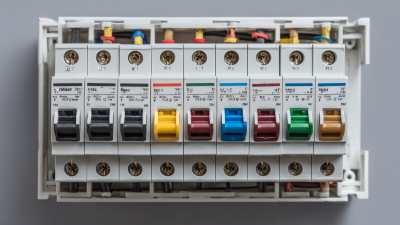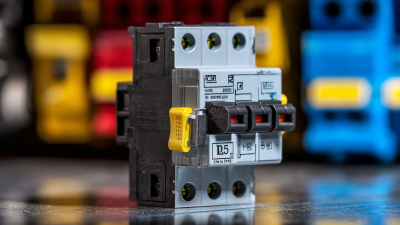
In today’s world, picking the right protection devices for your electrical setup is more important than ever. When it comes to safeguarding your circuits, Mcb Elcb really stands out as a trusted choice. Did you know that nearly 30% of home electrical fires are caused by faulty wiring or equipment? That honestly highlights how crucial it is to have reliable devices like Mcb Elcb in place.
These devices offer that peace of mind by providing dual protection — guarding against overloads and earth faults. Some recent studies even show that homes with Mcb Elcb are about 40% less likely to face electrical hazards. Not only does it help keep everyone safe, but it also helps protect your property — which is a huge deal. Unfortunately, a lot of folks still don’t really understand what these devices can do or how they can benefit from them.
While Mcb Elcb is definitely a smart pick, it’s also super important to get it installed correctly and maintain it regularly. Skipping those steps could leave your home vulnerable. The electrical safety game is all about ongoing education, and using devices like Mcb Elcb can really make a difference, especially as we rely more and more on electricity in our daily lives.
When setting up an electrical system, understanding the components is key. MCBs, or Miniature Circuit Breakers, protect circuits from overloads and short circuits. ELCBs, or Earth Leakage Circuit Breakers, focus on preventing electric shocks by detecting earth faults. Both devices serve crucial roles in maintaining safety and efficiency.
MCBs act quickly to disconnect power when faults occur. Their design makes it easy to reset after a trip, ensuring minimal downtime. They prevent overheating and potential fires. ELCBs, on the other hand, safeguard human safety. They monitor the current flow in circuits, cutting off electricity when they sense leakage. This function is vital in homes and workplaces, where the risk of electric shock exists.
While MCBs and ELCBs are reliable, users must consider installation and regular maintenance. A poorly installed device might fail when needed most. Periodic testing is important to ensure proper functionality. Understanding these devices enhances electrical safety and promotes smarter choices in upgrades or replacements.
Electrical safety is a crucial aspect of modern installations. With the rise of electronic gadgets and smart devices, the demand for reliable electrical systems has increased significantly. Accidents caused by electrical faults can lead to severe consequences, including property damage and personal injury. Addressing these risks is essential in any installation.
Using protective devices like MCBs and ELCBs ensures that electrical systems remain safe. MCBs, or Miniature Circuit Breakers, protect circuits from overloads and short circuits. They act quickly to disconnect power when needed. ELCBs, or Earth Leakage Circuit Breakers, protect against electric shocks by detecting ground faults. These devices enhance safety measures and help prevent dangerous situations.
However, not all installations prioritize safety. Some may overlook the importance of these components, leading to potential hazards. Regular maintenance and periodic inspections are vital. While many are aware of the need for safety, some may underestimate its complexity. Investing in appropriate protective measures is not just wise; it is necessary for everyone’s safety.
| Dimension | Description | Value |
|---|---|---|
| Type of Device | Miniature Circuit Breaker (MCB) | Auto-disconnects on overload |
| Protection Scope | Earth Leakage Circuit Breaker (ELCB) | Protects against electrical shock |
| Installation Type | Residential | Essential for home safety |
| Current Rating | Ampere Rating | 6A, 10A, 16A, 20A |
| Testing Standard | Safety Certification | IEC & UL Compliant |
| Lifespan | Expected Duration | 10-20 years |
| Cost Efficiency | Initial Investment | Affordable and reliable |
When it comes to safeguarding your electrical system, Miniature Circuit Breakers (MCBs) are essential. They specifically protect against overcurrent situations. Overcurrent can occur due to short circuits or overloads. Such conditions pose significant risks, potentially damaging your appliances and electrical wiring. MCBs automatically shut off the power when excessive current flows, preventing fire hazards.
Using MCBs ensures a reliable form of protection. They respond swiftly to changes in electric flow. This rapid response can save both lives and property. While MCBs are generally effective, they may sometimes trip without obvious faults. This can be frustrating. However, it often indicates a hidden issue that deserves attention. Regularly checking your electrical system for faults can prevent these unnecessary interruptions.
In many cases, MCBs can be more convenient than traditional fuses. Unlike fuses, which require replacement, MCBs can simply be reset. This feature makes them user-friendly. However, it’s crucial to ensure that the MCB is appropriately rated for your specific needs. An incorrect rating may lead to inadequate protection. Understanding the various types of MCBs can empower you in making informed choices for your electrical safety.
When it comes to electrical safety, understanding the role of Earth Leakage Circuit Breakers (ELCBs) is essential. These devices protect against earth faults, which can occur in various appliances or wiring systems. A small fault might not seem dangerous, but it can lead to significant hazards. ELCBs detect leakage currents and cut off the power before harm can occur. This rapid response helps prevent electrical shocks and potential fire hazards.
Many people overlook the importance of having an ELCB installed. They often think their standard circuit breakers are sufficient. However, traditional breakers do not detect earth faults. They only react to overloads or short circuits. This gap in protection can leave homes and businesses vulnerable. Installing an ELCB adds a layer of security and peace of mind. Even the most cautious individuals can benefit from this extra safeguard. The truth is, electrical faults can happen to anyone.
An effective ELCB can save lives. Regular testing is vital to ensure these devices function correctly. Users should not assume that if a breaker hasn't tripped, it is working properly. Periodic checks and maintenance can reveal reliability issues. Remember, your safety depends on the equipment you choose. Investing in quality earth fault protection is not just smart; it's necessary.
When choosing electrical protection, understanding MCBs and ELCBs is crucial. MCB stands for Miniature Circuit Breaker. It protects circuits from overloads and short circuits. On the other hand, ELCB, or Earth Leakage Circuit Breaker, focuses on preventing electric shocks and fire hazards by detecting earth faults.
MCBs are reliable for everyday overloads. They act quickly, minimizing damage to connected devices. However, they don't address faults in the ground, which can be dangerous. ELCBs excel in identifying these faults, ensuring user safety. They add another layer of protection, but they can sometimes be overly sensitive. This could lead to frequent tripping, causing frustration.
In many cases, using both MCBs and ELCBs is beneficial. With both devices, you can cover a broader range of electrical issues. It’s essential to evaluate your specific needs and risks. Individual circumstances can influence the choice of protection devices. Balancing these factors will lead to a safer electrical system.
When selecting an MCB (Miniature Circuit Breaker) or ELCB (Earth Leakage Circuit Breaker), it's important to assess your specific needs. In residential settings, for instance, an ELCB is crucial for protecting against electrical shocks. These devices detect leaks in the circuit and cut off the current instantly, providing safety for users. Choosing the right type can significantly reduce the risk of accidents.
MCBs, on the other hand, protect circuits from overloads and short circuits. They are vital for maintaining the integrity of your electrical system. An MCB must match your appliance's load capacity. An underpowered MCB can trip frequently, while an oversized one may not protect effectively. Making the right choice requires technical understanding and proper calculations.
It's not unusual to overlook the importance of these devices. Many people prioritize aesthetics over safety. Reflecting on this can lead to better decisions. You might think all breakers are the same, but this is far from true. Each has unique features tailored for different applications. Understanding these nuances is key to ensuring a safe electrical environment for your family and home.
Choosing MCBs (Miniature Circuit Breakers) and ELCBs (Earth Leakage Circuit Breakers) is crucial for safe electrical installations. When installed and maintained correctly, these devices can prevent electrical fires and ensure user safety. According to the National Fire Protection Association, electrical failures are a leading cause of structure fires, underscoring the importance of reliable protective devices.
Routine maintenance is essential for optimal performance. Regularly inspecting MCBs and ELCBs can identify potential issues. Ensure that connections are tight and free of corrosion. Monitor the functionality by testing the trip mechanisms quarterly. This simple practice can help avoid catastrophic failures.
Tip: Incorporate surge protectors to further enhance safety. When there are surges, MCBs can trip, but combining them with ELCBs protects against ground faults. Additionally, users should review installation guides and local codes to ensure compliance with electrical standards. Employing a professional electrician can add an extra layer of assurance, given their specialized knowledge.
Lastly, it’s vital to recognize that while MCBs and ELCBs reduce risks, they don't eliminate them. Constant vigilance and periodic checks are necessary. Over time, environmental factors can affect their performance, so ongoing assessment is vital for maintaining electrical safety in any space.
The market for Original Equipment Manufacturers (OEM) in the circuit breaker segment, particularly miniature circuit breakers (MCBs) and earth leakage circuit breakers (ELCBs), is experiencing significant shifts driven by technological advancements and evolving consumer needs. Recent industry reports suggest that the demand for MCBs, such as those exemplified by the CJM1-63 type MCB, is increasing due to their essential role in protecting electrical circuits from overload and short circuits. These devices function effectively at AC frequencies of 50Hz/60Hz, with operating voltages ranging from 230V to 400V, and cover a wide range of current ratings from 6A to 63A. This versatility makes them ideal for various applications in residential and industrial sectors.
Furthermore, the growth trajectory for ELCBs in regions like China is bolstered by increased awareness regarding electrical safety and stringent regulatory standards. Industry analysts project that the adoption of advanced circuit protection technologies, including intelligent MCBs and ELCBs, will further enhance market opportunities. As the trend towards automation and smart home integration continues, suppliers capable of innovating and meeting these demands will likely thrive. Reports indicate that the OEM sector is increasingly focusing on research and development to enhance product reliability and efficiency, aligning with broader market trends towards sustainability and energy-saving solutions. This evolving landscape presents a unique opportunity for suppliers to position themselves as leaders in a competitive environment.
: Electrical safety prevents severe consequences from faults. It protects people and property from potential harm.
MCBs and ELCBs are crucial. MCBs guard against overloads, while ELCBs prevent electric shocks.
An ELCB detects leakage currents. It cuts off power quickly to prevent electric shocks and fires.
Many people believe standard circuit breakers suffice. However, traditional breakers don’t detect earth faults.
Regular testing is vital. Don’t assume a breaker is working just because it hasn’t tripped recently.
MCBs protect against overloads, while ELCBs focus on detecting earth faults. Each serves unique safety functions.
Overlooking safety components can lead to dangerous situations. It increases vulnerability to electrical faults.
Yes, using both enhances protection. They cover a broader range of electrical issues effectively.
Maintenance reveals potential reliability issues. It ensures devices function correctly for everyone’s safety.
Evaluate your specific needs and risks. Balancing these factors helps create a safer electrical system.
When it comes to electrical safety, understanding the roles of MCBs (Miniature Circuit Breakers) and ELCBs (Earth Leakage Circuit Breakers) is crucial for modern installations. MCBs primarily protect your electrical system from overcurrent situations, preventing potential hazards such as electrical fires. On the other hand, ELCBs play a vital role in earth fault protection by detecting leakage currents that could lead to electric shock.
Choosing the right MCB and ELCB is essential for ensuring the safety and efficiency of your electrical system. The article outlines the key differences and benefits of both devices, emphasizing the importance of selecting the appropriate models for specific needs. Furthermore, it highlights best practices for installation and maintenance, reinforcing the critical role that MCB Elcb units play in safeguarding electrical infrastructure and enhancing overall safety in residential and commercial environments.