
Back in 2026, choosing the right DC RCCB — you know, Residual Current Circuit Breaker — is gonna be super important for keeping electrical systems safe. I read recently that, according to the International Electrotechnical Commission, demand for these little gadgets is expected to jump by about 25% in just a few years. Funny thing is, a lot of this boost comes from more folks and companies jumping onto renewable energy bandwagons, especially solar power. Big names like Schneider Electric and ABB are really leading the charge here, bringing out some pretty cool, innovative options.
Now, DC RCCBs are basically lifesavers when it comes to protecting against electric shocks and fires, so they’re pretty much a must-have for any DC electrical system. But here’s the thing — not everyone really gets how important they are. A survey I saw recently pointed out that only around 40% of users actually understand what these devices do or why they matter. That’s a pretty clear sign that we need to do a better job explaining and educating people about how DC RCCBs work and what they can do for safety.
Sure, tech keeps getting better, and products become more efficient, but not every option out there is reliable. Some might look great at first, but under certain conditions, they just don’t perform well. So, it’s kinda on us to dig a little deeper and really think before making a choice. Picking the right DC RCCB can honestly make all the difference — not just for safety but also for staying compliant in the long run.

Understanding RCCB: Definitions and Functionality
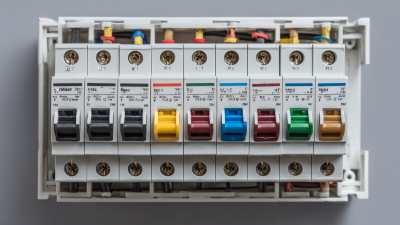
RCCBs, or Residual Current Circuit Breakers, are essential for electrical safety. They detect imbalance in electrical currents. This can prevent electric shocks and reduce fire risks. In domestic and commercial settings, RCCBs provide crucial protection. According to the International Electrotechnical Commission, around 30% of electrical accidents are due to inadequate protection. Understanding how RCCBs function is key to ensuring safety.
RCCBs work by monitoring the live and neutral currents. If there’s an imbalance, they trip the circuit. This fast response can save lives. It’s important to choose the correct type of RCCB for your needs. Consider factors such as sensitivity and the specific installation environment.
Tips: Regular testing of your RCCB is vital. Many suggest testing every six months. Ensure devices are properly rated for the load they’ll carry. Not all RCCBs are created equal. Familiarize yourself with the specifications that match your installation’s demands. This proactive approach can significantly enhance safety.
Best DC RCCB Choices for 2026 What You Need to Know?
| RCCB Model | Rated Current (A) | Sensitivity (mA) | Number of Poles | Voltage Rating (V) | Features |
|---|---|---|---|---|---|
| Model A | 25 | 30 | 2 | 120 | Compact Design, IP65 |
| Model B | 40 | 100 | 4 | 250 | Phase Loss Protection |
| Model C | 63 | 30 | 2 | 400 | Self-Testing Feature |
| Model D | 80 | 300 | 4 | 500 | LED Indicator, Delay Function |
| Model E | 100 | 30 | 2 | 250 | Microprocessor Control |

Understanding the Benefits and Features of High-Performance 2P 10kA Residual Current Circuit Breakers for Enhanced Electrical Safety
High-performance residual current circuit breakers (RCCBs) are essential components in ensuring electrical safety across various environments, from residential homes to industrial applications. Understanding the benefits and features of these devices, particularly the CJL1-125 Type, sheds light on their critical role in protecting against electrical hazards. These RCCBs offer leakage current protection, typically rated at 30mA, which is effective in minimizing the risks associated with earth faults. When a fault occurs, the circuit breaker automatically disconnects the electrical supply, providing an essential safeguard to human life and property.
The effectiveness of RCCBs is further enhanced by their compliance with international standards, such as IEC61008 and EN61008, which ensure their reliability in diverse applications. The CJL1-125 model features various types, including AC, A, and B, each tailored to specific protection needs. For example, the A type RCCB includes pulse DC protection, making it suitable for sensitive electronics, while the B type offers multipurpose protection for high-requirement situations. With a range of rated currents from 16A to 100A and configurations for both single-phase (230V) and three-phase (400V) systems, these breakers accommodate a wide array of electrical systems.
Moreover, according to industry reports, the global market for RCCBs is expected to grow significantly, driven by increasing awareness of electrical safety and stringent regulations. The integration of advanced technologies and materials in these devices not only enhances their performance but also contributes to greater energy efficiency. With standards evolving to meet contemporary safety challenges, high-performance RCCBs like the CJL1-125 play a pivotal role in safeguarding homes, workplaces, and industrial settings against dangerous electrical faults.

FAQS
: Troubleshoot the issue by checking the manual. If it persists, contact customer support for assistance.
Delivery times vary depending on location. Typically, you can expect orders to arrive within a week.
Yes, most products can be returned within 30 days of purchase. Ensure the item is unused and in original packaging.
Take photos of the damage and report it to customer service. They will guide you on the return process.
Many products come with limited warranties. Check the documentation for specific terms and duration.
You can track your order through the tracking link sent via email after purchase.
Order changes are difficult once confirmed. Contact support immediately if changes are necessary.
Use the "Forgot Password" feature on the login page to reset it. Follow the instructions provided.
Yes, subscriptions can usually be canceled at any time. Check the terms for details on cancellation fees.
Refunds may take several days to process. If it's been over a week, contact customer service for updates.
Conclusion
The article titled "Best DC RCCB Choices for 2026 What You Need to Know?" provides a comprehensive overview of direct current residual current circuit breakers (DC RCCBs). It begins by defining RCCBs and explaining their crucial role in enhancing electrical safety, particularly in DC applications. The article highlights the importance of selecting the right DC RCCB to prevent electrical hazards and protect both equipment and users.
Key features to consider in DC RCCBs are discussed, alongside a comparative analysis of various models to aid in making informed decisions. Additionally, practical tips for installation and maintenance ensure optimal performance of these devices. Finally, the article explores future trends in RCCB technology, emphasizing innovations that aim to improve safety and efficiency in electrical systems. Understanding these aspects is essential for users looking to invest in reliable DC RCCBs in 2026.
Related Posts
-

Real Life Applications of Best Pure Wave Inverter and How to Choose the Right One for Your Business
-

The Importance of Mcb Rcbo in Modern Electrical Safety Systems
-

Exploring Global Trade Opportunities for Mcb Rccb at the 137th Canton Fair 2025
-
7 Compelling Reasons Why You Should Choose MCB ELCB for Your Electrical Needs
-
The Ultimate Guide to Understanding Miniature Breakers for Your Electrical Needs
-

2025 Low Voltage Electrical Components Innovation Trends and How to Leverage Them for Competitive Advantage
