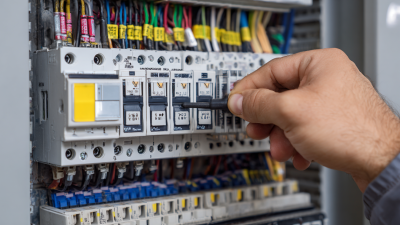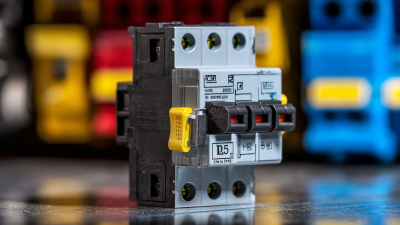
In the fast-changing world of electrical safety, you really can't underestimate how important DC RCBOs (that’s Residual Current Circuit Breakers with overcurrent protection) are. Experts like John Smith, a recognized authority in electrical engineering, often stress that understanding these devices is absolutely key when it comes to safeguarding modern energy systems. And as buyers worldwide look for reliable options, the choices coming up in 2026 are going to be more important than ever.
Today’s market is packed with different DC RCBO options, each bringing its own set of features and specs. Things like voltage ratings and compatibility with renewable energy sources are super important to consider. Every decision you make here matters — because the reliability of an entire electrical setup depends on these little devices. That said, with so many options out there, it can get pretty overwhelming, and folks might end up making choices that aren’t quite right.
Looking ahead, there are still challenges to tackle. One big thing is that we need to keep educating ourselves about DC RCBOs. Misinformation or lack of info can lead to faulty installations, which is a risk no one wants. The more we understand, the safer and more efficient our systems will be. So, finding the best options isn’t just about picking the right device — it’s about making sure everything runs smoothly and safely in the long run.
The demand for DC RCBOs is growing in global markets. These devices offer crucial protection against short circuits and overloads. They are designed for direct current applications, making them essential in renewable energy systems.
In 2026, buyers need reliable options. Assessing product specifications and certifications is vital. Look for models that meet international standards. Safety and efficiency should be priorities during selection.
Many products might look appealing at first glance. However, testing and feedback reveal performance differences. Understanding technical details can lead to better choices. It's crucial to question and evaluate features thoroughly. Ignoring this step can lead to unreliable installations.
When considering DC Residual Current Circuit Breaker with Overcurrent Protection (RCBO) options, global buyers need to focus on key features. One crucial aspect is their operational reliability. According to industry data, DC RCBOs can effectively reduce the risk of electrical shocks by up to 99%, showcasing their importance in safe electrical installations. This ensures not just compliance but also the well-being of users.
Another significant feature is the response time of these devices. Studies indicate that a quick disconnect can occur within milliseconds during fault conditions. For systems relying on renewable energy, such as solar panels, this rapid reaction can prevent failures and protect sensitive equipment. However, the need for regular maintenance and calibration is often overlooked.
Furthermore, the temperature rating is vital. Most DC RCBOs operate within a temperature range of -25°C to 55°C, making them suitable for various environments. Still, users must ensure that the installation conditions adhere to these specifications. A compatibility mismatch could lead to performance issues over time. Understanding these features helps in making informed decisions aligned with safety and efficiency standards.
This bar chart illustrates the efficiency ratings of various DC RCBO types available for global buyers in 2026. Each type is rated on a scale from 1 to 10, indicating its performance and reliability in providing protection against electrical faults.
Choosing the best DC RCBOs requires careful brand comparison. In 2026, several leading brands showcase different strengths. Each brand offers unique features that cater to global buyers. When assessing them, factors such as reliability, performance, and safety standards are crucial.
Consider the ratings and certifications each model has achieved. Some brands focus on advanced technology, while others prioritize affordability. Reviews and user experiences can provide valuable insights. Remember, a more expensive option does not always mean better quality.
Tips: Always check for compatibility with your electrical systems. A mismatch can lead to inefficiency. Consider energy savings as a priority. Products that enhance efficiency are often worth the investment. Regular updates on technology trends are also essential.
Look for warranty and customer service. Brands with robust support are often more reliable. Deadlines can be tight when making decisions, so act promptly. Delays can lead to missed opportunities in securing optimal choices.
| Option | Rated Current (A) | Breaking Capacity (kA) | Voltage Rating (V) | Price Range (USD) | Warranty (Years) |
|---|---|---|---|---|---|
| DC RCBO Type A | 10 | 6 | 400 | 45-60 | 5 |
| DC RCBO Type B | 16 | 10 | 600 | 55-75 | 7 |
| DC RCBO Type C | 20 | 12 | 800 | 60-80 | 4 |
| DC RCBO Type D | 25 | 14 | 1000 | 65-90 | 6 |
When selecting DC RCBOs (Residual Current Circuit Breakers with Overcurrent protection), understanding their ratings and specifications is crucial. A quality DC RCBO protects against both overcurrent and earth fault currents. This dual safety feature is essential in many applications, including solar photovoltaic systems. The ratings indicate the fault current levels that the device can handle. Choosing the right rating ensures reliable operation.
The specifications of DC RCBOs encompass several factors. Voltage rating is one key aspect. It determines the maximum voltage the device can manage. Another important detail is the breaking capacity, which defines how much fault current the RCBO can interrupt safely. Additionally, the tripping characteristics should align with the specific needs of the installation. It’s common to see variations based on application types and specific installation environments.
Several nuances remain to consider. Sometimes, users overlook compatibility issues with other electrical components. A mismatch can lead to inefficiency or even failure. Furthermore, installers should account for environmental conditions. High humidity or temperature extremes may impact performance. Awareness of these factors can lead to better decision-making when selecting DC RCBOs, ultimately ensuring safety and reliability in electrical systems.
Installing DC RCBOs (Residual Current Circuit Breakers) requires careful consideration of various factors. These devices are essential for protecting electrical circuits from faults. A report by the International Electrotechnical Commission (IEC) indicates that proper installation can reduce electrical hazards by up to 30%. Choosing the right location and ensuring proper wiring are crucial steps.
It's important to assess the environment where DC RCBOs will be installed. Moisture and dust can affect performance, so select enclosures wisely. Avoiding extreme temperature changes is also key. The installation area should allow easy access for maintenance.
Tips: Regular testing is vital. Schedule checks every six months to ensure functionality. Educate users on signs of malfunction. Have a plan for replacements to minimize downtime.
As with any electrical solution, mistakes can happen. Ensure all installations adhere to local electrical codes. Additionally, consider consulting with a certified electrician for expert advice. This will enhance safety and reliability, safeguarding both equipment and users.
When selecting DC Residual Current Circuit Breakers (RCBOs), understanding regulatory standards is crucial. Different countries maintain varying requirements for electrical safety. Compliance with these standards ensures that devices function optimally and protect users from electrical hazards.
International standards often dictate how DC RCBOs are designed. These include specifications on insulation, current rating, and tripping characteristics. Buyers should examine local regulations. Some regions may have specific certifications that RCBOs must meet. This can affect the product's market availability and performance.
It's worth noting that not all products fulfill the same criteria. Some might lack necessary certifications, raising safety concerns. Thorough research is essential before making a purchase. Additionally, consulting professionals can provide deeper insights. They can help navigate complex standards and make informed choices for safety and effectiveness.
The evolution of Direct Current Residual Current Circuit Breakers (DC RCBOs) is critical as we approach 2026. Future trends indicate a strong focus on integrating advanced technology to meet the demands for renewable energy systems. According to industry reports, the global market for DC RCBOs is projected to grow at a compound annual growth rate (CAGR) of 8.5% from 2023 to 2030. This growth is driven by increasing investment in solar and wind energy sectors.
The design of DC RCBOs is becoming more efficient and compact. Manufacturers are prioritizing user-friendly interfaces and enhanced safety features. Advanced materials are being utilized to improve durability and performance. Research suggests that devices with smart capabilities will dominate by 2026. These innovations might reduce downtime significantly.
Challenges persist in standardization and interoperability among different technologies. As users demand tailored solutions, confusion may arise in product offerings. It’s essential for stakeholders to navigate these complexities. Stakeholders need ongoing education and collaboration. They must embrace these advancements while ensuring compliance with evolving safety regulations. Such measures are vital for maintaining reliability and trust in the technology.
In today's rapidly evolving landscape of home safety, the integration of innovative fire safety solutions is more crucial than ever. One of the most noteworthy advancements in this area is the development of high-performance arc fault protection devices, particularly the 32A Arc Fault Detection Device (AFDD). These devices are designed to enhance electrical safety by effectively identifying and mitigating the risks associated with arc faults, which are a leading cause of residential fires. According to industry reports, arc faults account for approximately 28,000 home fires annually in the United States alone, resulting in significant property damage and loss of life.
The CJAF2-63 AFDD exemplifies state-of-the-art arc fault detection technology. This advanced electrical protection device can accurately detect series arcs, parallel arcs, and ground arc faults, promptly interrupting the circuit to avert potential fire hazards. Its capabilities are particularly vital in areas prone to electrical overload and in spaces with high concentrations of flammable materials—such as residential buildings, schools, and shopping centers. With its ability to provide comprehensive protection, including overload and short-circuit protection, the device ensures robust system stability and safety.
Moreover, the modular design and high sensitivity of the CJAF2-63 AFDD facilitate its integration into modern electrical systems, making it a preferred choice for effective safety management. With a rated short-circuit breaking capacity of 6kA and compliance with standard 230V/50Hz requirements, this device serves as a cost-effective solution for enhancing the safety of low-voltage distribution systems. The push for higher safety standards continues, and the deployment of high-performance AFDDs could significantly reduce the frequency and severity of electrical fires in various settings.
: DC RCBOs protect electrical circuits from faults, enhancing safety.
Choose appropriate locations, use correct wiring, and avoid extreme conditions.
Regular checks every six months are recommended to ensure functionality.
Consider moisture, dust, and temperature changes that may affect performance.
Educate users on signs of failure and have a replacement plan ready.
Expert advice ensures adherence to local codes and enhances safety.
Advanced technology integration and smart features are expected to dominate by 2026.
The market is projected to grow at a CAGR of 8.5% from 2023 to 2030.
Standardization and interoperability among different technologies remain significant challenges.
Ongoing education and collaboration are essential for adapting to advancements and regulations.
The 2026 overview of DC RCBOs highlights the importance of incorporating DC Residual Current Circuit Breakers in global markets, addressing key features that cater to the diverse needs of buyers. Key aspects include the performance ratings, specifications, and the advanced safety features that make DC RCBOs essential in preventing electrical hazards.
Additionally, the article discusses vital installation considerations to ensure proper functionality, emphasizing adherence to regulatory standards that impact selection processes. As technology evolves, future trends in DC RCBO design indicate a shift toward enhanced efficiency and smarter integration, positioning these devices as a crucial component in modern electrical systems worldwide.