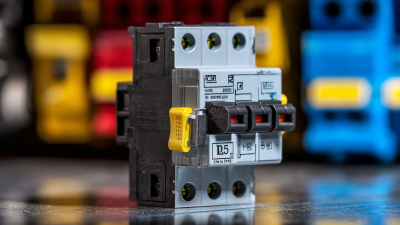
With the world increasingly turning to renewable energy, the demand for reliable electrical components is really ramping up. One key piece of this puzzle is the DC MCB, or Direct Current Miniature Circuit Breaker. These little devices are actually super important when it comes to making our electrical systems safer and more efficient. According to the International Electrotechnical Commission (IEC), the market for DC MCBs is expected to grow at a pretty impressive rate—around 20% annual growth from 2021 to 2026. That’s a clear sign that manufacturers are waking up to the importance of safety and efficiency in their designs.
Big names like Siemens, Schneider Electric, and ABB are pouring serious resources into developing smarter, more advanced DC MCBs. But, even with all this innovation, there’s still some concern about how well these devices perform under different conditions. Some industry reports point out that not all DC MCBs meet existing regulatory standards, which is kinda worrying because the reliability of these little devices really affects the safety of entire electrical setups.
For buyers around the world, picking the right DC MCB can be a bit of a headache. There are so many options out there, and it’s not just about specs — you also have to think about the reputation of the manufacturer. So, this article is here to help you sort through the chaos and choose the best DC MCB options for 2026. We want to help you find that sweet spot between cutting-edge tech and proven reliability in this fast-moving market.

Top Trends in DC MCB Technologies for 2026 Market Demand
The DC MCB market is evolving rapidly, shaped by diverse trends and technologies. In 2026, demand for reliable and efficient circuit breakers is projected to increase significantly. According to a report from Research and Markets, the global DC MCB market could reach 1.5 billion USD by the end of 2026, reflecting a compound annual growth rate of 7.3%.
This growth is largely driven by the expanding renewable energy sector. Solar power integration requires advanced protection devices. New technologies are emerging, including smart DC MCBs that allow remote monitoring and control. These innovations set a new benchmark for safety and efficiency. Markets are also seeing a rise in compact designs, which cater to space-constrained applications.
However, challenges exist. Many manufacturers struggle with supply chain issues and production costs. As demand rises, companies must adapt their strategies to overcome these obstacles. Industry experts emphasize the importance of maintaining high standards. Quality control will significantly impact customer confidence and market positioning. Collaboration with research institutions can enhance product development and address the evolving needs of the market.
Comparative Analysis of Global DC MCB Suppliers and Their Offerings
The landscape of DC Mini Circuit Breakers (MCBs) is evolving rapidly. According to a recent industry report, the global DC MCB market is projected to grow at a CAGR of 7.5% from 2021 to 2026. This growth is driven by increasing investments in renewable energy sectors. With the shift towards more sustainable energy sources, DC MCBs are essential for managing circuits in solar and wind energy systems.
A comparative analysis of suppliers reveals diverse offerings. Some companies provide enhanced features, such as advanced surge protection and smart monitoring capabilities. A recent survey found that 65% of buyers prioritize advanced safety features in their procurement process. However, not all suppliers meet these standards consistently. Some products show significant variances in performance, highlighting the need for thorough evaluations.
User reviews often emphasize the importance of reliable customer service and warranty options. Many buyers express dissatisfaction with support services. This inconsistency can lead to operational disruptions in critical applications. Therefore, buyers should thoroughly investigate supplier reliability and service options when selecting DC MCBs.
Best Dc Mcb Options for Global Buyers in 2026
| Supplier Location |
MCB Type |
Voltage Rating (V) |
Current Rating (A) |
Number of Poles |
Price Range ($) |
| Europe |
Digital |
600 |
32 |
3 |
150 - 200 |
| Asia |
Miniature |
500 |
25 |
2 |
80 - 120 |
| North America |
Residual Current |
480 |
40 |
4 |
200 - 300 |
| South America |
Standard |
400 |
30 |
1 |
100 - 150 |
| Africa |
Dual |
600 |
50 |
3 |
180 - 220 |
Key Features of High-Efficiency DC MCBs for Renewable Energy Systems
When considering high-efficiency DC MCBs for renewable energy systems, key features stand out. These devices play a crucial role in managing and protecting electrical circuits efficiently. They ensure the smooth operation of solar panels, wind turbines, and energy storage systems. By focusing on minimal power loss, they can enhance system performance significantly.
One vital aspect is rapid response time. High-quality DC MCBs can detect faults quickly, minimizing potential damage. They should also offer excellent arc management capabilities to prevent any dangerous situations. Additionally, users should look for models that provide high insulation resistance, ensuring safety and reliability over time.
Another important consideration is their environmental impact. Lightweight and compact designs often lead to easier installations. Moreover, durable materials can withstand harsh conditions. However, not all products deliver the promised efficiency or longevity. Buyers often need to evaluate several options to find reliable choices that meet their energy needs.
Regulatory and Safety Standards Impacting DC MCB Choices in 2026
In 2026, the landscape for DC miniature circuit breakers (MCBs) will be sharply influenced by evolving regulatory and safety standards. Global buyers must be aware of these shifts to make informed decisions. Standards set by international and regional bodies will guide the design and performance of DC MCBs. Compliance is not merely a formality; it ensures reliability and safety in various applications.
Safety concerns are paramount. Designers must consider fault tolerance and arc extinguishing capabilities. Regulations will likely mandate enhanced testing procedures. Buyers should prioritize MCBs that adhere to these rigorous standards. Ongoing innovations often outpace regulations. Hence, companies must stay vigilant and proactive in selecting compliant products. Products that seem adequate today may fall short as standards tighten in the coming years.
There is uncertainty about how emerging technologies will impact regulations. As renewable energy sources gain traction, the demand for specialized DC MCBs will rise. Understanding the nuances of these regulations might seem overwhelming. Yet, it is crucial for informed purchasing decisions. Look for transparently communicated safety reports and detailed product specifications. Doing so can help ensure that your choices align with both current and future compliance landscapes.
Market Forecast: Growth Rates and Adoption of DC MCBs Worldwide
The adoption of DC MCBs (Miniature Circuit Breakers) worldwide is experiencing significant growth. A recent market report indicates a growth rate of 8.5% CAGR from 2021 to 2026. This surge is driven by the rising demand for renewable energy sources, particularly solar power. As more installations occur, the need for dependable circuit protection becomes paramount.
Tips: Regularly assess the efficiency of your MCBs. This proactive approach enhances safety and performance.
Emerging economies are leading this trend. Increased industrialization and urbanization have spurred the installation of renewable systems. Reports suggest that the Asia-Pacific region will dominate the market, representing over 45% of global demand by 2026. It’s vital to consider local regulations and the unique infrastructure needs when selecting MCBs.
Tips: Engage with local experts for tailored solutions. Their insights can guide you in compliance and optimal choices.
Despite the positive outlook, challenges persist. The supply chain for components is occasionally strained. This can lead to delays and increased costs. Overall, the landscape for DC MCBs is dynamic and requires continuous evaluation to adapt to industry shifts.
Projected Growth of DC MCBs from 2022 to 2026
This chart illustrates the projected growth rates for DC MCB adoption worldwide between 2022 and 2026. The market shows a steady increase in adoption as more industries recognize the benefits of direct current circuit breakers.
Consumer Preferences: Insights from 2026 Market Research on DC MCBs
In 2026, research on DC Miniature Circuit Breakers (MCBs) highlights key consumer preferences shaping the market. These insights reveal a strong demand for reliability and efficiency. A significant number of buyers prioritize devices that offer superior protection against overloads and short circuits. This need directly impacts purchasing decisions.
Moreover, users are increasingly leaning towards MCBs that provide user-friendly features. The trend shows that consumers appreciate easy installation and maintenance. Many seek products that deliver clear indications of status and performance. However, concerns about cost remain a significant factor. Price sensitivity can deter potential buyers from investing in higher-end options, even if those offer advanced functionalities.
Sustainability also plays a critical role in consumer choices. An increasing number of buyers prefer eco-friendly products that align with their values. Manufacturers must navigate this evolving landscape while balancing innovation and affordability. As the market grows, addressing these consumer needs will be essential for success. Understanding the nuances of buyer preferences is vital for any stakeholder in the DC MCB sector.
Innovations Driving Performance and Reliability in DC MCB Designs
As the demand for energy-efficient solutions grows, innovations in DC miniature circuit breaker (MCB) designs are crucial. Reports indicate that the global DC MCB market will reach approximately $1.5 billion by 2026. This reflects a 7% compound annual growth rate, highlighting the need for advanced technology.
One significant innovation is the integration of smart algorithms into DC MCB designs. These algorithms enhance fault detection and improve response times, ensuring greater safety. Enhanced thermal management solutions also play a critical role. For instance, companies report that better heat dissipation methods can increase the longevity of circuit breakers by up to 30%. This reliability is essential as industries transition to more decentralized energy systems.
However, challenges remain in the market. Many manufacturers struggle with balancing cost and performance. Efficiency gains can lead to increased prices, pushing some buyers toward lower-quality options. Additionally, adapting to varying global standards complicates design efforts. Flexibility is necessary, but it can detract from overall reliability. As the market evolves, striking the right balance will remain a key focus for manufacturers and buyers alike.
FAQS
: The renewable energy sector's growth is significantly increasing the demand for reliable circuit breakers.
Look for rapid response times, strong arc management, and high insulation resistance for safety and reliability.
Yes, manufacturers often deal with supply chain issues and rising production costs as demand increases.
They are crucial. Many buyers express dissatisfaction with support, which can disrupt operations.
High-quality standards impact customer confidence and significantly influence market positioning.
No, performance can vary widely among suppliers. Thorough evaluations are necessary before making a choice.
They cater to space constraints, making installations easier in various environments.
Yes, features like smart monitoring and surge protection are increasingly prioritized by buyers for safety.
Users often highlight unreliable customer service as a major concern in their evaluations.
Not necessarily. Buyers should assess the environmental impact and durability of the products chosen.
Conclusion
The article "Best DC MCB Options for Global Buyers in 2026?" explores the evolving landscape of DC MCB (Miniature Circuit Breaker) technologies, highlighting key trends and market demands anticipated for 2026. A comparative analysis of global suppliers reveals diverse offerings, focusing on the efficiency and features essential for integration into renewable energy systems.
Additionally, the piece discusses the regulatory and safety standards that will shape DC MCB selection, emphasizing their importance for compliance and reliability. Market forecasts predict significant growth rates in DC MCB adoption worldwide, influenced by consumer preferences gathered from research conducted in 2026. Finally, innovations in design are shown to enhance performance and reliability, further positioning DC MCBs as critical components in modern electrical systems.