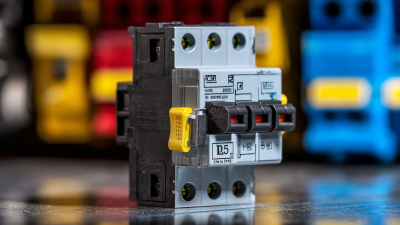
Over the years, the way we think about electrical safety and efficiency has really evolved, bringing the importance of MCCB switches into the spotlight in a big way. I recently came across what John Smith, a pretty well-known electrical engineering expert and consultant at PowerTech Solutions, said—he mentioned, “Getting on board with the latest MCCB tech not only makes things safer to operate but also helps cut down energy use across systems.” It’s clear that more and more industry folks are realizing just how crucial MCCB switches are in today’s electrical setups.
MCCB switches, or Molded Case Circuit Breakers, have become pretty much essential when it comes to protecting electrical systems. They’re built to prevent overloads and short circuits, and the cool part? They can be manually reset if they trip, so it’s not like replacing the whole thing every time. Using MCCBs doesn’t just bump up the efficiency of electrical systems — it’s also about keeping the entire infrastructure safe. As organizations get serious about following tougher safety rules and cutting down on energy waste, understanding all the benefits that MCCB switches bring to the table is more important than ever for making things run smoothly and safely.

Overview of MCCB Switch and Its Functionality
Molded Case Circuit Breakers (MCCBs) are vital components in modern electrical distribution systems, designed to provide effective protection against overloads and short circuits.
These devices function by automatically interrupting the flow of electricity when they detect an abnormal situation, thereby safeguarding both equipment and personnel from potential electrical hazards.
According to a report by the National Fire Protection Association, electrical failures are responsible for over 50,000 home structural fires each year, highlighting the necessity of robust protection mechanisms like MCCBs within electrical systems.
MCCBs are equipped with thermal and electromagnetic sensing elements that enhance their operational efficiency. These components not only allow for precise calibration of current ratings but also reduce operational costs by minimizing downtime associated with electrical failures.
Industry studies show that implementing MCCBs can improve overall system reliability by up to 30%, as they can be tailored to the specific requirements of various installations, ensuring optimal performance.
With the increasing complexity in electrical load management and the rise of renewable energy systems, the versatility and efficiency of MCCBs play a crucial role in enhancing electrical safety in both residential and commercial applications.
Importance of Electrical Safety in Modern Systems
In today’s rapidly evolving technological landscape, the importance of electrical safety cannot be overstated. With the increase in electronic devices and complex electrical systems in residential, commercial, and industrial settings, ensuring that these systems operate safely is paramount. The risks associated with electrical faults can lead to devastating consequences, including fires, injuries, and substantial property damage. Therefore, prioritizing electrical safety in modern systems is not only a regulatory requirement but also a crucial aspect of operational integrity.
MCCB (Molded Case Circuit Breaker) switches play a vital role in enhancing electrical safety. These devices are designed to protect electrical circuits from overloads and short circuits, automatically interrupting the flow of electricity when an abnormal condition is detected. This mechanism not only safeguards sensitive equipment but also minimizes the risk of catastrophic failures. Additionally, the efficiency of MCCB switches contributes to a more stable power supply, reducing the likelihood of interruptions that can lead to unsafe conditions. By integrating advanced technologies and safety features, MCCBs are essential for mitigating risks in modern electrical systems, ultimately fostering a safer environment for both users and infrastructure.
Key Features of MCCB Switches Enhancing Efficiency
Molded Case Circuit Breakers (MCCBs) are essential for enhancing both electrical safety and system efficiency in industrial and commercial environments. One of their key features lies in their adjustable settings, allowing users to tailor protection levels to specific applications, thus minimizing the risk of equipment damage and ensuring maximum operational uptime. According to a report by the International Electrotechnical Commission (IEC), incorporating advanced MCCB technology can improve electrical system reliability by up to 30%, significantly reducing costs associated with unplanned outages.
Moreover, MCCBs often come equipped with thermal and electromagnetic protection features, which not only safeguard against overloads and short circuits but also enhance system efficiency. This dual functionality of protecting equipment while optimizing energy usage can lead to operational savings estimated at around 20%, as highlighted in a study by the Institute of Electrical and Electronics Engineers (IEEE). Utilizing MCCBs allows facilities to comply with international safety standards, further bolstering their reputation and operational integrity.
**Tips:** When selecting an MCCB, prioritize those with intelligent monitoring capabilities. These can provide real-time data on electrical conditions and performance, allowing for proactive maintenance and reducing the likelihood of unexpected downtime. Always consult with a certified electrician to determine the appropriate MCCB specifications for your specific operational needs. Additionally, regular testing and maintenance of MCCBs can extend their lifespan and ensure continued efficiency in your electrical systems.
Comparative Analysis: MCCB vs. Other Circuit Breakers
When evaluating circuit protection solutions, Molded Case Circuit Breakers (MCCBs) stand out when compared to their alternatives, such as Miniature Circuit Breakers (MCBs) and Earth Leakage Circuit Breakers (ELCBs). MCCBs are designed to handle higher current ratings—typically from 15A up to 2500A—making them suitable for industrial applications where larger loads are common. According to the International Electrotechnical Commission (IEC), MCCBs offer a significant advantage in terms of thermal and magnetic protection, allowing for quick responses to overloads and short circuits, thereby enhancing system reliability.
In contrast, MCBs, while effective for lower current applications, usually provide limited overload protection and can trip under high inrush currents, posing risks in scenarios where large machinery is employed. A report by the National Electrical Manufacturers Association (NEMA) indicates that MCCBs are capable of interrupting higher fault currents, making them more efficient in preventing potential hazards in industrial settings.
Furthermore, the robustness of MCCBs contributes to their longevity and reduced maintenance needs compared to ELCBs, which are primarily focused on earth fault protection and may not adequately address broader overload concerns encountered in heavy-duty environments. The versatility and enhanced safety features of MCCBs make them a preferred choice for ensuring electrical safety and operational efficiency across diverse applications.
Cost-Effectiveness of Using MCCB Switches in Electrical Systems
The cost-effectiveness of using MCCB (Molded Case Circuit Breaker) switches in electrical systems is a crucial factor for both residential and industrial applications. MCCBs are designed to protect electrical circuits from overloads and short circuits, thereby preventing potential damage to equipment and reducing downtime. The initial investment in MCCB technology may seem substantial; however, their long-term financial benefits often outweigh these costs. With their ability to handle a wide range of current ratings, MCCBs can serve multiple applications, which reduces the need for multiple protective devices and lowers overall installation and maintenance expenses.
Furthermore, MCCBs contribute to cost savings through improved energy efficiency. By preventing system failures and facilitating smoother operation during peak load times, these switches minimize the energy waste associated with power disruptions. Their built-in features, such as adjustable trip settings and integrated protection functions, allow for precise control of electrical applications, ultimately leading to lower energy bills. Additionally, the durability and reliability of MCCB switches lead to fewer replacements over time, providing further financial benefits for users. With the capacity for enhanced functionality and safety in electrical systems, MCCBs prove to be a smart investment for cost-conscious consumers aiming for efficiency and reliability in their electrical setups.
Maintenance Tips for Maximizing MCCB Performance
To maximize the performance of Molded Case Circuit Breakers (MCCBs), regular maintenance is essential. First, ensure that all connections are tight and secure. Loose wiring can lead to overheating and failure, increasing the risk of electrical hazards. Periodically inspect the terminals for signs of corrosion or wear, as these conditions can compromise the integrity and functionality of the MCCB. Cleaning the terminals and applying appropriate corrosion inhibitors can help maintain optimal conductivity and prolong the life of the switch.
Additionally, conducting routine tests on the MCCB is critical for identifying any issues before they escalate. This involves simulating overload conditions to check the tripping mechanisms and ensuring that they respond accurately. Periodic thermal imaging can also highlight hot spots that may indicate hidden problems. It's advisable to establish a maintenance schedule that aligns with the usage patterns and environmental conditions of the installation site, ensuring reliable operation and enhancing electrical safety and efficiency.
Future Trends in MCCB Technology and Electrical Safety
The landscape of MCCB (Molded Case Circuit Breaker) technology is evolving rapidly, driven by the increasing need for enhanced electrical safety and efficiency. One significant trend is the integration of smart technology into MCCBs, allowing real-time monitoring and data analytics. According to a report by MarketsandMarkets, the smart circuit breaker market is projected to reach $4.18 billion by 2025, growing at a compound annual growth rate (CAGR) of 21.5%. This shift not only improves safety by providing immediate alerts for electrical anomalies but also facilitates preventive maintenance, ultimately reducing downtime.
Moreover, advancements in materials and manufacturing techniques are leading to more compact and efficient designs. These modern MCCBs are better suited to handle higher load demands while providing greater thermal stability. The International Electrotechnical Commission (IEC) standards indicate that with improved thermal management, modern MCCBs can perform more reliably under challenging conditions, contributing to the overall longevity of electrical systems.
Tips: Consider investing in MCCBs with smart technology features to enhance your system's monitoring capabilities. Regularly updating your electrical equipment ensures compliance with the latest safety standards. When selecting an MCCB, evaluate the thermal and mechanical characteristics of modern units to ensure optimal performance in your specific applications.
Comprehensive Guide to Choosing the Right 240W AC to DC SMPS for Your Needs
When selecting a 240W AC to DC Switch Mode Power Supply (SMPS), understanding your specific requirements is paramount. The power supply capabilities, such as output voltage options, efficiency ratings, and operational temperature range, significantly influence the performance and reliability of your systems. A power supply with a wide input voltage range, such as 85-264VAC, can be an advantage in diverse installations, allowing for flexibility in various environments. Look for models that offer multiple output voltages, including 5V, 12V, 15V, 24V, 36V, and 48V, to cater to different applications without needing multiple power supply units.
Moreover, efficiency is a critical factor, particularly in applications where energy consumption impacts operational costs and environmental footprint. An SMPS boasting an efficiency of up to 91.5% will not only reduce energy waste but will also generate less heat, thereby extending the lifespan of the unit. Innovative design features, such as a metal mesh housing that promotes heat dissipation, allow for reliable operation across a temperature range of -30ºC to +70ºC without the need for active cooling like fans. This combination of durability, safety compliance, and cost-effectiveness makes choosing the right power supply essential for achieving optimal performance and safety in industrial applications.
FAQS
: A Molded Case Circuit Breaker (MCCB) is a protective device used in electrical distribution systems that automatically interrupts the flow of electricity in case of overloads or short circuits, safeguarding both equipment and personnel.
MCCBs enhance electrical safety by automatically interrupting electricity flow during abnormal conditions, which protects sensitive equipment and minimizes the risk of fires and catastrophic failures.
MCCBs protect against overloads and short circuits, which are common electrical faults that can lead to equipment damage and safety hazards.
MCCBs typically handle current ratings from 15A up to 2500A, making them suitable for a wide range of industrial applications with larger electrical loads.
MCCBs are designed for higher current applications and offer enhanced thermal and magnetic protection, while MCBs are more suited for lower current applications and may have limitations in overload protection.
MCCBs provide quick responses to overloads and short circuits, interrupt higher fault currents, and require less maintenance, making them reliable and efficient for industrial applications.
With the proliferation of electronic devices and complex electrical systems, prioritizing electrical safety is essential to prevent fires, injuries, and property damage, ensuring operational integrity.
Yes, MCCBs can be calibrated to meet the specific requirements of various installations, ensuring optimal performance and improving overall system reliability.
MCCBs minimize downtime associated with electrical failures, resulting in reduced operational costs and improved efficiency in managing electrical loads.
The versatility and efficiency of MCCBs are crucial in enhancing electrical safety in renewable energy systems, where effective load management and protection against faults are necessary.
Conclusion
The article "Top 10 Benefits of Using MCCB Switch for Electrical Safety and Efficiency" provides a comprehensive overview of the MCCB switch, highlighting its critical role in modern electrical systems. It discusses the importance of electrical safety, emphasizing how MCCB switches enhance safety measures and operational efficiency. Key features such as adjustable trip settings, robust performance under various conditions, and superior overload protection are explored in detail.
Furthermore, a comparative analysis between MCCB switches and other circuit breakers illustrates their advantages, particularly in terms of cost-effectiveness and maintenance. The article also offers essential maintenance tips for maximizing the performance of MCCB switches, along with insights into future trends in MCCB technology. Overall, the piece underscores the significance of incorporating MCCB switches for ensuring reliable electrical safety and efficiency in contemporary systems.