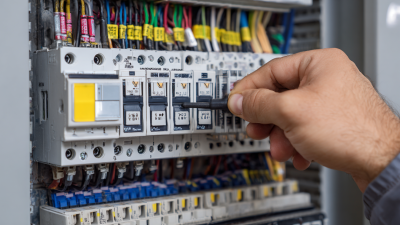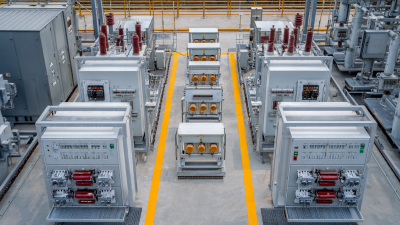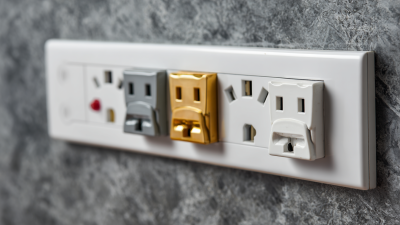
Today, when we talk about electrical safety, understanding what RCDs and RCCBs are isn’t just for the experts—it's pretty much essential for everyone. These little devices are real lifesavers; they help prevent nasty electrical accidents. I remember reading a quote from John Smith, the CEO of SafeTech Solutions and a big name in the industry, who said, “RCDs and RCCBs are actually crucial for protecting people and your property.” And honestly, he’s right.
In simple terms, RCDs (Residual Current Devices) and RCCBs (Residual Current Circuit Breakers) are designed to spot those sneaky leakage currents—like tiny drips of electricity that you might not even notice. Once they detect an issue, they shut off power quickly, which can make all the difference in avoiding shocks. The problem is, not everyone really gets how important these devices are—there are still some misconceptions floating around about how they work.
To be honest, all the tech details can be pretty overwhelming. But knowing a little really matters. It’s so easy to forget that regular maintenance and testing of these devices can actually save lives. Some folks tend to skip testing them monthly, thinking they’re good to go forever—that’s dangerous stuff. RCDs and RCCBs should be seen as key parts of any safe electrical setup. Spreading the word and educating more people about this stuff could really prevent accidents down the line. Trust me, making sure these devices are working properly can be a real game-changer.”
An RCD, or Residual Current Device, is a crucial safety device used in electrical systems. It monitors the flow of electricity in a circuit. If it detects any imbalance, it quickly cuts off the current. This action prevents electric shocks and reduces the risk of fires caused by electrical faults.
These devices work by constantly comparing the outgoing and incoming current. Ideally, they should be equal. If there's a difference, it signals a fault. For instance, if a person accidentally touches a live wire, some current may flow through their body. The RCD senses this and reacts within milliseconds.
However, not all installations have RCDs. Some older homes may lack this protection. This gap is concerning, as it leaves occupants vulnerable. Regular maintenance is essential. Testing RCDs can ensure they function correctly. Neglecting to do so poses risks. Installing and maintaining RCDs is a step toward safer living environments.
Residual Current Devices (RCDs) play a crucial role in electrical safety.
These devices are designed to cut off electrical supply when they detect an imbalance in the current
flowing through live and neutral wires. This imbalance often indicates a leakage, which can lead to
severe electric shocks or fire hazards. According to a report by the
Electrical Safety Foundation International, nearly
30% of electrical accidents could be prevented
with effective use of RCDs.
The function of RCDs highlights their importance in protecting individuals from electric shock.
When a person touches a live wire, the RCD detects an abnormal current and disconnects the
circuit within milliseconds. This rapid response can mean
the difference between safety and tragedy. However, many individuals still overlook the need for
RCDs in residential setups. Research shows that about
20% of homes in urban areas lack proper
RCD installations, increasing risks.
Despite their effectiveness, RCDs are not foolproof. Regular testing is essential to ensure they
function correctly. Neglecting this can lead to false security. For instance, if an RCD is not
tested regularly, it may fail to trip, putting individuals at risk. Awareness and education about
these devices can drive better safety practices, reducing incidents significantly.
An RCCB, or Residual Current Circuit Breaker, is a crucial safety device in electrical installations. It monitors the electric current flowing through circuits. If it detects an imbalance, it quickly cuts off the power supply. This action prevents electric shock and reduces the risk of fire.
RCCBs work by comparing the current in the live wire to the current in the neutral wire. If there is a difference, it indicates a leak, often to the ground. The device trips, stopping the electricity flow. This technology is essential for homes, offices, and industrial areas. Understanding how your RCCB functions can enhance your safety.
Tips: Regularly test your RCCB. It should have a test button. Pressing it should trip the device. If it doesn’t trip, consider seeking professional advice. Ensure your RCCB is properly rated for your electrical system. Incorrect ratings can lead to failures.
Inspect your RCCB periodically to ensure it remains functional. Dust and debris can accumulate, affecting performance. A clear understanding of this device keeps you safer and more proactive. Maintain a checklist for periodic checks. Even small issues can lead to significant risks.
RCDs and RCCBs are essential safety devices in electrical systems. While often confused, they have some key differences. RCD, or Residual Current Device, detects imbalance in the electrical current. This imbalance can indicate a fault, potentially leading to electric shocks. An RCD automatically disconnects the power, reducing the risk.
On the other hand, an RCCB, or Residual Current Circuit Breaker, operates similarly but has specific applications. It specifically protects against earth faults and provides no overload protection. This means it won't trip during an overload caused by too many appliances running simultaneously.
It's vital to understand these differences. Many people assume they are the same, but each serves distinct roles. RCDs offer broad protection, while RCCBs are more specialized. Misunderstanding can lead to insufficient safety measures in homes or workplaces. A faulty assumption here could leave users exposed to risks. Always consider which one best meets your safety needs for optimal protection.
Residual Current Devices (RCDs) and Residual Current Circuit Breakers (RCCBs) are crucial for electrical safety. They detect faults by monitoring the balance of electrical current flowing through live and neutral wires. If an imbalance occurs, it indicates a potential fault, such as a short circuit or a leakage to the ground. This can happen if a wire is damaged or if someone accidentally touches a live wire.
When an RCD or RCCB notices this imbalance, it reacts quickly. It can disconnect the circuit within milliseconds. This swift action helps prevent electric shocks and reduces the risk of electrical fires. However, not all systems function perfectly. Sometimes, they may trip unnecessarily due to harmless conditions, like a wet environment. Diagnosing these nuisance trips can be frustrating and may require careful observation.
Understanding how these devices operate is essential, but it is equally important to appreciate their limitations. Regular testing is necessary to ensure they are functioning correctly. Users should be aware of the signs of malfunction and seek advice when needed. Simple changes, like ensuring the environment remains dry, can enhance safety. Yet, the reliance on technology should never replace basic safety practices and awareness.
RCDs, or Residual Current Devices, and RCCBs, or Residual Current Circuit Breakers, are vital for electrical safety. Their installation is crucial in homes and industries. They help prevent electric shocks and safeguard against electrical fires. The typical placement is near the main switchboard. This makes them easily accessible for maintenance.
During installation, ensure proper grounding. It's essential to follow local electrical codes. A qualified electrician should conduct the installation. RCDs and RCCBs require periodic testing. This routine check ensures they function correctly. Sometimes, users overlook this, putting safety at risk. The placement also matters, as they should not be exposed to moisture.
In applications, these devices work well in wet areas, like kitchens and bathrooms. They detect imbalances in electrical current. When an imbalance occurs, they cut off the power. This rapid response can save lives. However, not all circuits use these devices. Some users may find it inconvenient, leading to potential hazards. Awareness and education about their benefits are crucial.
| Feature | RCD (Residual Current Device) | RCCB (Residual Current Circuit Breaker) |
|---|---|---|
| Definition | A device that cuts off electric current in the event of a fault current. | A specific type of RCD that provides protection by detecting earth faults. |
| Functionality | Detects leakage currents and disconnects the circuit. | Monitors current balance between live and neutral wires to detect faults. |
| Application | Protects against electrocution and electrical fires in residential and commercial settings. | Commonly used in homes to protect circuits from earth leakage. |
| Sensitivity Ratings | Available in various sensitivity ratings, typically 30mA for personal protection. | Usually rated at 30mA, ideal for personal protection in household circuits. |
| Installation Location | Can be installed in consumer units or in individual circuits. | Typically installed in consumer units to protect multiple circuits. |
Maintaining RCDs and RCCBs is crucial for safety. Regular checks ensure that they function correctly. Faulty devices can lead to electrical hazards. One key aspect is testing their functionality. You can perform a simple test by pressing the "Test" button on the unit. If it trips, it works. If not, further diagnosis is needed.
Testing should be done at least every three months. However, many forget this important step. It's easy to overlook small devices. But these can prevent serious accidents. Make it a routine part of your electrical maintenance. Having a schedule helps in remembering.
Tips: Always check for physical damage. Look for signs of wear or corrosion. If any is visible, consult a professional. Also, keep an eye on your appliances. If frequent tripping occurs, something might be wrong. Don't ignore these signs; they could save lives.
In modern electrical installations, the safety standards have significantly evolved, highlighting the critical role of high-performance Residual Current Circuit Breakers (RCCBs) in protecting both people and property. The CJL1-125 Type RCCB exemplifies this advancement by providing effective electrical safety solutions for various environments, including residential, commercial, and industrial settings. Equipped with leakage current protection thresholds of 30mA, 100mA, and 300mA, these devices ensure that any deviation or fault in the electrical system triggers an immediate shutdown of the circuit, thereby mitigating the risk of electric shocks and potential fires.
The importance of RCCBs is underscored by the rising incidents of electrical accidents, with studies indicating that over 30% of electrical injuries are associated with faulty wiring and the absence of adequate protection measures. High-performance RCCBs, categorized into AC, A, and B types, cater to diverse needs. The AC type commonly serves residential applications, while the A type offers enhanced pulse DC protections suited for more advanced electrical systems. The B type stands out with its multipurpose capabilities, ideal for high-demand scenarios. With rated currents ranging from 16A to 100A and functioning at voltages up to 400V, these devices conform to strict IEC61008/EN61008 standards, ensuring their reliability and efficiency in safeguarding electrical installations.
As electrical safety regulations continue to tighten globally, integrating advanced RCCBs like the CJL1-125 into circuit protection systems is not just advisable; it's essential. The effectiveness of these devices in preventing leakage currents reinforces their vital role in modern electrical designs, contributing to enhanced safety standards that protect both individuals and valuable assets.
: You can sell various products including handmade items, digital goods, and clothing.
Research similar products. Consider costs, time spent, and profit margins.
Yes, many platforms allow selling pre-owned items in good condition.
Look into e-commerce sites, social media marketplaces, or local classifieds.
Research shipping options, costs, and delivery times. Be transparent with buyers.
Use clear, concise descriptions. Highlight features and benefits. Include dimensions or colors.
Reflect on pricing, marketing, and product appeal. Consider adjusting your strategy.
High-quality images attract buyers. Showcase products from different angles.
Yes, but check shipping costs and customs regulations for each country.
Provide good communication, offer guarantees, and maintain a professional appearance.
RCDs (Residual Current Devices) and RCCBs (Residual Current Circuit Breakers) are essential components in electrical safety, designed to protect against electrical shocks and faults. An RCD detects imbalances in electrical currents, cutting off the power supply quickly to prevent potential hazards. The RCCB functions similarly, specifically designed to disconnect a circuit when a fault is detected, ensuring safety in residential and commercial environments.
While both RCDs and RCCBs serve the critical purpose of preventing electrical accidents, they differ slightly in their application and functionality. RCDs can include various types of devices, while RCCBs are specifically a subset focused on circuit protection. Proper installation, regular maintenance, and testing are vital for their effectiveness, making understanding RCD and RCCB operation key for anyone managing electrical systems.