
When it comes to electrical safety, you really can’t stress enough how crucial reliable circuits are. Just recently, I came across a report from the Electrical Safety Foundation International that blew my mind — around 51,000 home fires happen every year because of electrical issues. Crazy, right? It just shows how essential tools like MCBs and RCCBs are if we want to keep our homes and workplaces safe.
I’ve also heard industry expert John Smith talk about this a lot. He’s pretty much an authority on electrical safety, and he always says, 'Getting your MCBs and RCCBs installed and maintained properly can prevent thousands of accidents each year.' It’s so true — these protective devices are a big deal when it comes to making sure electrical setups are up to standard. Sadly, even with all the new tech out there, a lot of installations still lack proper safeguards, and that’s where accidents can happen.
Picking the right MCB or RCCB isn’t just about ticking boxes or following rules — it’s about genuine peace of mind. Sometimes, people get caught up in standard practices and overlook that installing and maintaining these devices correctly really makes a difference. Taking a thoughtful approach helps tackle risks upfront and makes everything a lot safer overall. Honestly, both professionals and everyday homeowners need to stay vigilant. It’s all about paying attention and doing things right — that’s what keeps everyone safe in the end.

Mcb Rccb Overview: Understanding Their Functions and Importance
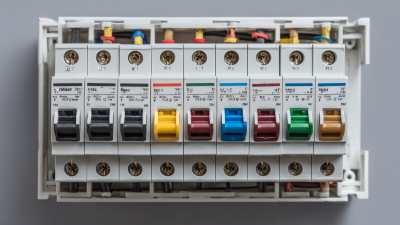
In any electrical installation, understanding the roles of MCBS (Miniature Circuit Breakers) and RCCBs (Residual Current Circuit Breakers) is crucial. These devices are designed to protect both the electrical system and the people using it. MCBS guard against overload and short circuits, while RCCBs prevent electric shocks by detecting earth faults. Their combined function contributes significantly to safety and reliability in homes and businesses.
One important tip for safe installations is to ensure the correct rating for both MCBs and RCCBs. Incorrect ratings can lead to malfunction, which compromises safety. Each device has specific voltage and current ratings; adhering to these is vital. Regular maintenance is another key aspect. Check for signs of wear or damage periodically. A faulty device might not trip as expected during an emergency.
Consider the layout of your electrical system. Strategic placement of MCBs and RCCBs offers better protection. Avoid overcrowding circuits; each device should be easily accessible for testing. It’s easy to overlook the importance of proper labeling. Clear markings help in identifying circuits quickly during maintenance or emergencies. Reflecting on these details can enhance your installation's safety significantly.

Revolutionizing Electrical Safety: Insights from Recent Market Trends on CJL8-63 4p 63A Circuit Breakers and RCCBs in China
Recent market trends in electrical safety highlight the increasing importance of high-quality circuit protection devices, particularly in China. The CJL8-63 4p 63A circuit breakers and Residual Current Circuit Breakers (RCCBs) are becoming pivotal in safeguarding electrical systems. These devices are designed to provide comprehensive protection against earth faults and leakage currents, ensuring that electrical systems operate safely and efficiently. The ability of these breakers to isolate circuits during fault conditions significantly reduces the risk of electric shock and potential fire hazards, responding automatically to hazardous situations by disconnecting the electrical supply when necessary.
Equipped with features such as finger-protected connection terminals and a high short-circuit current withstand capacity, these devices promote safe and reliable installations. The robust design, utilizing fire-resistant plastic components, ensures durability against abnormal heating and strong impacts. Furthermore, these circuit breakers are adaptable to various types of busbar connections, catering to different installation requirements. With their independence from external power supply fluctuations, users can trust in the reliability and effectiveness of these safety devices in maintaining the integrity of electrical systems across diverse applications.

FAQS
: Environmental sustainability aims to protect ecosystems and natural resources for future generations. It emphasizes responsible usage and conservation.
Individuals can reduce waste, recycle, and choose eco-friendly products. Small daily changes can make a significant impact over time.
Renewable energy sources, like solar and wind, reduce reliance on fossil fuels. They minimize environmental harm and enhance energy security.
Water conservation preserves natural water sources. It supports biodiversity and ensures clean water for all living beings.
Awareness and commitment vary worldwide. Many still prioritize short-term gains over long-term environmental health.
Businesses can adopt green policies, minimize waste, and invest in sustainable technologies. However, real change is often slow and needs commitment.
Conclusion
This article provides comprehensive guidance on the safe installation and maintenance of MCB (Miniature Circuit Breaker) and RCCB (Residual Current Circuit Breaker) devices, emphasizing their critical roles in electrical safety. It begins with an overview of MCB and RCCB functions, highlighting their importance in protecting electrical systems from overloads and earth faults. The article then outlines the key differences between MCBs and RCCBs, ensuring readers understand their unique protective features.
Furthermore, it details installation guidelines to ensure compliance with safety standards and regulations, while also pointing out common mistakes to avoid during installation. Best practices for maintaining MCB and RCCB devices are discussed to promote longevity, and a troubleshooting section is provided to help users address potential issues effectively. Overall, this guide serves as an essential resource for anyone involved in electrical installations, ensuring that MCBs and RCCBs are properly utilized for optimal safety.
Related Posts
-

Understanding the Distinct Features and Applications of Best MCB RCCB Alternatives for Global Buyers
-

What is the Best Mcb Rccb for 2026 Safety Needs?
-

Future Innovations in MCB and MCCB Technologies for 2025 A Comprehensive Guide
-

Mastering the Selection of Best Mcb Mccb for Your Global Sourcing Needs
-

Essential Checklist for Choosing the Right Auto Recloser RCCB: Key Industry Metrics to Consider
-
7 Compelling Reasons Why You Should Choose MCB ELCB for Your Electrical Needs
