
Picking the right DC breaker really matters if you want your electrical system to run smoothly. Did you know that, according to a recent report by MarketsandMarkets, the worldwide circuit breaker market is expected to hit around $12.3 billion by 2027? That’s pretty huge and just shows how important it is to choose the right DC breaker for your specific needs.
When you’re shopping for a DC breaker, it’s not just about the price—you’ve gotta think about things like voltage rating, how much current it can handle, and what kind of application it’s meant for. Honestly, a lot of folks in engineering overlook these details, and that can end up causing performance issues down the line. In fact, a survey by the International Electrotechnical Commission found that improper installation can be responsible for up to 30% of electrical failures—that’s a lot!
Spending a bit more on a good quality DC breaker can really pay off by making your system more reliable. But here’s the thing: a lot of people don’t realize how many little nuances there are when it comes to these components. Taking the time to learn about different models and what they’re best suited for can save you from making costly mistakes. The bottom line? Knowing what your system needs is key to making smart, informed choices—and it’s worth doing some homework on this stuff.

Understanding the Basics of DC Breakers and Their Functionality
When selecting a DC breaker, understanding its functionality is crucial. DC breakers are designed to interrupt direct current flow. They protect circuits from overcurrent, ensuring safety in various applications. Unlike AC breakers, DC systems face unique challenges. This includes arcing during interruption, as DC does not zero out like AC. Choosing the right model requires knowledge of these nuances.
Consider the voltage and current ratings of the system. Each breaker has limitations. Using a breaker beyond its rating can lead to failure. Think about your application, whether it's for solar power systems or electric vehicles. Each requires different specifications. Also, consider installation space and ease of access. The breaker should fit well within existing setups.
Reflect on your experience with previous models. Did they perform as expected? Were there any issues during installation? Documenting these experiences can guide you in making a better choice next time. Selecting a DC breaker is not just about specifications. It involves understanding your specific needs and potential challenges.

Exploring the Benefits and Applications of the Hot Selling CJD-30-2P/DC Push Manual Reset Magnetic Electromagnetic Hydraulic Circuit Breaker
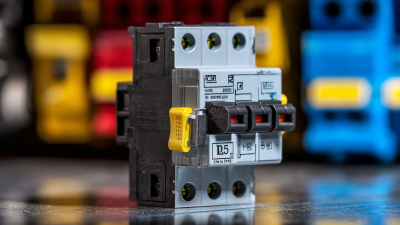
The CJD-30-2P/DC Push Manual Reset Magnetic Electromagnetic Hydraulic Circuit Breaker represents a significant advancement in circuit protection technology. This device leverages dual metal sheets, C45 and C65, that deform when exposed to heat generated by overload conditions, resulting in the breaker tripping and safeguarding electrical installations. Unlike traditional fuse systems that require complete replacement after a trip, this electromagnetic circuit breaker can be reset manually, providing a convenient and efficient solution for protecting main on-off switches and ensuring operational continuity.
According to recent industry reports, the global market for circuit breakers is anticipated to reach an impressive $20 billion by 2026, driven by the growing demand for reliable electrical infrastructure across various sectors. Thermal circuit breakers, while effective, can face challenges due to environmental conditions. Reports indicate that in cold environments, these devices may necessitate a higher current to trip, posing a risk of overheating and potential damage. Conversely, in hotter conditions, they may trip prematurely, resulting in unnecessary downtime. The CJD-30-2P/DC offers enhancements that mitigate these risks through more reliable performance suited to a wider range of operational environments.
The versatility of the CJD-30-2P/DC makes it applicable in multiple industries, including manufacturing, construction, and renewable energy. As the need for efficient and reliable circuit protection continues to grow, this innovative circuit breaker addresses both the advantages and disadvantages of traditional systems, marking a forward step in safeguarding electrical systems against overloads while enhancing user control and safety.

FAQS
: The main types are circuit breakers, fuses, and switches. Each has advantages and disadvantages.
Circuit breakers are resettable. This feature makes them easy to use after a fault occurs.
Fuses are compact but need to be replaced after a fault. This can be inconvenient.
Humidity and dust can impact performance. Corrosion can occur if the environment is too moist.
Outdoor breakers must resist varying weather. Sun exposure and dust require protective measures.
Safety standards ensure reliability. They vary by region and should be carefully assessed.
Sometimes, the first choice may not fit perfectly. Reflection on needs can help adjust selections.
Breakers may not work effectively outside their rated limits during temperature changes.
Seeking expert guidance can help clarify options. It’s easy to feel overwhelmed by choices.
No, a perfect solution doesn’t always exist. Each model may excel in some scenarios but fail in others.
Conclusion
When selecting the best DC breaker for your needs, it's essential to understand its functionality and the specific requirements of your application. Key factors include evaluating your power requirements and load characteristics, as these influence the type and specifications of the DC breaker you should choose. Different models present various advantages and disadvantages, which can impact their performance in distinct environments.
Additionally, environmental conditions play a significant role in the effectiveness of DC breakers, so it's crucial to identify these factors before making a selection. Ensuring that the chosen model meets safety standards and certifications is vital for reliable operation. Lastly, following maintenance tips can help prolong the life of your DC breaker, ensuring it continues to function optimally and safely over time.
Related Posts
-

Navigating Trade Barriers: The Resilience of China's Best DC Breaker Industry Amidst U.S.-China Tariffs
-

What is the Best DC MCB for 2026?
-
Understanding Common Challenges Associated with Dc Mccb Installations
-
How to Choose the Right DC Miniature Circuit Breaker for Your Electrical Needs
-

Understanding the Importance of DC MCB in Modern Electrical Systems
-

What is the Best DC RCBO for Your 2026 Electrical Needs?
