
Picking the right DC breaker is pretty important if you want your electrical systems to stay safe and run smoothly. I was chatting with John Smith from PowerSafe Solutions recently, and he told me, “A good DC breaker can really save you from costly damage and keeps everything running reliably.” As the electrical needs we have keep increasing, it’s more crucial than ever to know how to choose the right breaker for your setup.
When you’re looking around for options, make sure to check out things like voltage ratings, current capacity, and what exactly you’re using it for. These details are key—they help you pick something that fits your specific situation. Using the wrong type or size can cause inefficiencies or even some safety risks. Also, think about where you’re installing it—different environments can impact how well it performs.
Every choice has its little tricky parts, no doubt. It’s always a good idea to talk to folks who know their stuff, but let’s be honest—it’s easy to make mistakes. That’s why staying curious and learning as you go is so important. By being aware of what can go wrong, you’ll make smarter decisions next time around.

Understanding DC Breakers and Their Importance in Electrical Systems
DC breakers play a crucial role in electrical systems. They help protect circuits from overcurrent and short circuits. In applications like solar energy and electric vehicles, the importance of choosing the right breaker cannot be overstated. These devices ensure safety and maintain the integrity of electrical systems, preventing potentially catastrophic failures.
Understanding the technical specifications of DC breakers is essential for effective use. Current ratings, voltage ratings, and trip characteristics are key factors that should be considered. An incorrect choice can lead to insufficient protection or unnecessary interruptions in service. Too often, users overlook these details, which can cause significant issues in the long term.
A reliable DC breaker should be compatible with your specific application. Incomplete knowledge might lead to mistakes in selection. Always assess the demands of your electrical system before making a decision. Gathering data about your energy requirements and consulting experts can provide valuable insights. This careful approach will enhance both safety and performance in your electrical setup.


Maximizing Safety and Efficiency: The Benefits of the Hot Selling CJD-30-2P/DC Push Manual Reset Magnetic Electromagnetic Hydraulic Circuit Breaker
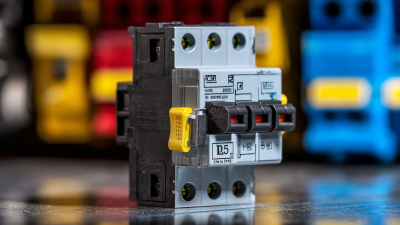
The CJD-30-2P/DC Push Manual Reset Magnetic Electromagnetic Hydraulic Circuit Breaker is engineered to maximize safety and efficiency in various electrical applications. As one of the premier choices for circuit protection, this device offers unique advantages over traditional fuses. Unlike fuses, which require replacement after a fault, the CJD-30-2P can be manually reset after tripping, ensuring minimal downtime and enhanced operational continuity.
One critical aspect of this circuit breaker is its dual metal sheets, C45 and C65, that respond to overheating during overload conditions. This mechanism is particularly effective in identifying excessive current, and statistics from industry reports indicate that thermal circuit breakers can reduce the risk of fire hazards by more than 30% compared to standard fuses. However, it is essential to be aware of the limitations of thermal circuit breakers. The thermo-sensitive device can underperform in varying temperature environments; in colder climates, they may require higher currents to activate, posing potential risks. Conversely, in warmer settings, they may trip too soon, leading to unnecessary interruptions.
Implementing the CJD-30-2P/DC Push Manual Reset Circuit Breaker not only promotes safer electrical management but also optimizes operational efficiency. As the engineering and electrical industries continue to evolve, prioritizing devices that can deliver reliable performance and adaptability is more crucial than ever. The growing trend towards automation and energy-efficient solutions underscores the importance of adopting advanced circuit protection technologies to meet both safety standards and operational demands.

FAQS
: Understand the voltage needs of your system. Common voltages include 12V for automotive and 48V for renewable setups.
The current rating must exceed the maximum expected load. Oversizing too much can cause delays in tripping.
Environmental factors affect performance. Inappropriately rated environments can lead to 80% of electrical failures.
Aim for an IP67 rating. This provides total dust ingress protection and temporary water immersion safety.
Use UV-resistant housings. UV exposure can deteriorate materials over time, impacting the breaker's lifespan.
Regular inspections are key. Many malfunctions arise from improper installation, so ensure all connections are secure.
Test every six months. A continuity test can uncover issues that might lead to failure if undetected.
Proper records can identify patterns and prevent gaps in maintenance history, reducing overall risk significantly.
Dust accumulation can create hazards. Using cleanable or sealed breakers can reduce operational risks effectively.
Operating outside these ranges can reduce breaker efficiency by up to 30%. Always consider the temperature when choosing.
Conclusion
Choosing the right DC breaker is crucial for ensuring the safety and efficiency of your electrical systems. Understanding the importance of DC breakers begins with identifying your specific voltage and current requirements. A comprehensive overview of the different types of DC breakers will enable you to evaluate their specifications, including amperage, voltage rating, and interrupting capacity, ensuring that the selected breaker can handle your particular needs effectively.
Additionally, environmental factors play a significant role in the installation of DC breakers. It is essential to consider where the breaker will be located to ensure optimal performance. Compliance with industry standards is also vital for maintaining safety and reliability. Finally, proper installation and regular maintenance of your DC breaker are necessary for long-term operation and to prevent potential electrical hazards.
Related Posts
-

Navigating Trade Barriers: The Resilience of China's Best DC Breaker Industry Amidst U.S.-China Tariffs
-

What is the Best DC MCB for 2026?
-
Understanding Common Challenges Associated with Dc Mccb Installations
-
How to Choose the Right DC Miniature Circuit Breaker for Your Electrical Needs
-

Understanding the Importance of DC MCB in Modern Electrical Systems
-

What is the Best DC RCBO for Your 2026 Electrical Needs?
