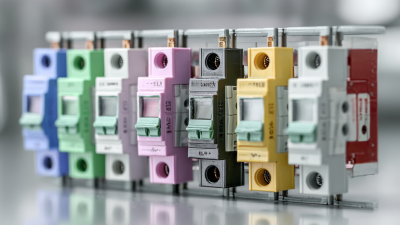
Choosing between MCB and RCBO can be challenging for homeowners. Both options play crucial roles in electrical safety and efficiency. An MCB, or Miniature Circuit Breaker, protects circuits from overloads. Meanwhile, an RCBO, or Residual Current Breaker with Overcurrent, provides added safety against electrical faults.
When deciding between MCB and RCBO, consider your home’s electrical needs. The MCB is often sufficient for basic protection. However, if you require enhanced safety features, the RCBO might be the better option. It safeguards not only against overloads but also against earth faults. This dual protection can prevent potential hazards more effectively.
In a world increasingly reliant on electricity, understanding these devices is vital. It’s essential to weigh the pros and cons of MCB and RCBO. Seek expert advice if you feel uncertain about your choice. Each household has unique power demands, and the right selection can greatly enhance safety. The decision isn't always clear; take your time to reflect on your specific requirements.

Understanding MCB and RCBO: Key Differences Explained
When choosing protective devices for your home electricity, understanding MCB and RCBO is crucial. An MCB, or Miniature Circuit Breaker, protects your circuits from overloads and short circuits. It trips when too much current flows through, preventing potential hazards. However, it does not provide protection against earth faults.
On the other hand, an RCBO, or Residual Current Breaker with Overload protection, combines both functions. It protects against overload and also detects earth faults. This makes it a better choice for sensitive areas like kitchens and bathrooms. Environments with high moisture levels require this added layer of safety.
Tips: Consider the specific needs of your home. If you have appliances that pose a higher risk of earth faults, an RCBO is advisable. Regularly test the devices to ensure they function properly. While MCBs are simpler and often less expensive, they may leave gaps in protection. Prioritize safety and evaluate your risks before making a decision.
The Functionality of MCB: How It Protects Your Home
When it comes to home electrical safety, MCBs (Miniature Circuit Breakers) are crucial. They automatically break the circuit when they detect overloads or short circuits. This rapid response helps prevent electrical fires and protects your household devices. According to industry reports, nearly 50% of home electrical fires are due to faulty wiring and overloaded circuits. Using MCBs significantly reduces this risk.
Tips for ensuring safety: Regularly check your MCBs. Look for signs of wear or malfunction. If they trip frequently, there might be a deeper issue. It’s advisable to have a qualified electrician inspect your system.
Understanding how MCBs operate is essential. They react to fault conditions faster than fuses, providing better protection. However, MCBs do not offer protection against earth leakage. This limitation is critical and requires consideration when wiring your home. The absence of additional protection could lead to severe consequences.
More homeowners should prioritize MCB installations. They offer peace of mind. But always reflect on your electrical needs. Evaluate if your home might benefit from additional safety devices or systems.
How to Choose Between MCB and RCBO for Your Home Electricity?
| Feature |
MCB (Miniature Circuit Breaker) |
RCBO (Residual Current Breaker with Overcurrent Protection) |
| Primary Function |
Overload and short circuit protection |
Overload, short circuit, and earth fault protection |
| Protection Type |
Current overload |
Both current overload and leakage current |
| Reset Mechanism |
Manual reset |
Manual reset |
| Installation Cost |
Generally lower |
Generally higher |
| Suitable Applications |
Basic circuit protection (lighting, plugs) |
Sensitive circuits (kitchens, bathrooms) |
| Maintenance Requirements |
Low maintenance |
Requires periodic testing |
The Role of RCBO: Combining Protection and Safety
The RCBO, or Residual Current Circuit Breaker with Overcurrent protection, plays a crucial role in home electrical systems. It combines two vital functions: overcurrent protection and earth fault protection. This means it prevents overloads and short circuits while also protecting against electric shocks. The unique feature is its ability to detect ground faults. If a fault is found, it trips immediately, ensuring safety.
However, while the RCBO provides extensive safety measures, it's not foolproof. For instance, if incorrectly installed, it might fail to operate properly. Additionally, each circuit requires a separate RCBO, which can become costly and complex for larger homes. It’s important to balance safety and functionality when choosing between an MCBO and an RCBO.
Consider your home’s specific needs. A single RCBO for a circuit can offer enhanced safety for critical areas, such as kitchens or bathrooms. Yet, too many devices could lead to inconvenience and maintenance challenges. Evaluating your electricity usage will help you make an informed decision. Take your time, and consult a professional if needed. Safety is paramount, but so is practicality.
Assessing Your Home's Electrical Needs: What to Consider
When considering how to protect your home’s electrical system, you must assess your specific needs. Both MCBs (Miniature Circuit Breakers) and RCBOs (Residual Current Circuit Breakers with Overcurrent protection) serve vital roles. Understanding the layout and usage of your home is essential. What appliances do you use most? Are they high-powered or standard devices?
Evaluating your circuit requirements is crucial. MCBs are suitable for standard protections; they trip during overloads but lack residual current protection. This can leave you vulnerable to electrical faults. On the other hand, RCBOs provide overcurrent protection and safeguard against earth faults. Their versatility can be beneficial, but they often come with higher costs.
Consider your household’s safety needs. If you have little ones, adding RCBOs might be wise. Think about potential hazards and your comfort level. It can feel overwhelming to choose. More isn't always better; balancing safety features and costs can lead to better decisions. Reflect on your electrical habits, and weigh your options carefully.
Benefits of Using MCB: Pros and Cons
Choosing between Miniature Circuit Breakers (MCBs) and Residual Current Circuit Breakers with Overcurrent protection (RCBOs) can be challenging for homeowners. MCBs offer several benefits. They are designed to protect circuits from overloads and short circuits. MCBs are typically smaller, less expensive, and easier to install. According to a survey by the Electric Power Research Institute, MCBs can handle higher fault currents, making them efficient for residential use.
However, MCBs come with limitations. They do not provide earth fault protection. In homes without proper earthing, this can lead to serious hazards. Around 60% of electrical accidents involve earth faults, which underscores this issue. While MCBs are beneficial for their cost-effectiveness, they do not cover all safety aspects. This can leave homeowners vulnerable to electric shocks or fires caused by earth faults.
In contrast, RCBOs combine the functions of MCBs and ground fault protection. They are more comprehensive yet costlier. Many homeowners might find the price off-putting. However, investing in safety can prevent bigger expenses related to accidents. Ideally, the choice between an MCB and an RCBO should be based on individual needs and safety considerations. Each has its pros and cons, requiring careful evaluation before installation.
Advantages of RCBO: Why It Might Be a Better Choice
Choosing between an MCB and an RCBO involves understanding the advantages of each option. RCBOs combine the functions of a residual current device and a miniature circuit breaker, offering enhanced protection. They guard against overloads, short circuits, and earth faults. This dual protection can be vital in home settings where safety is a priority.
An RCBO can provide specific advantages for modern homes. For example, it allows for selective protection of individual circuits. You can target specific areas, like your kitchen or bathroom, where electrical risks are higher. This precision reduces the chances of complete power loss in your home during an electrical fault. Furthermore, while RCBOs can be more expensive, their comprehensive protection may save money on potential damages.
However, it's essential to weigh these benefits against your budget. Installing multiple RCBOs can increase initial costs. Some homeowners may also find the technicalities confusing. If you're not well-versed in electrical systems, seeking professional help might be necessary. This decision isn't simple and requires reflection on safety, cost, and risk factors.
Making the Final Decision: Factors to Weigh Before Choosing
When choosing between MCBs and RCBOs for home electricity, several factors should be considered. The first key aspect is the level of protection needed. MCBs provide overcurrent protection, while RCBOs combine this with earth leakage protection. If you have sensitive devices or live in an area with unstable electricity, RCBOs may be the better choice.
Cost can also be a major factor. MCBs are typically less expensive than RCBOs. However, saving money on the upfront cost might lead to higher risks. Assess your budget carefully. Will you invest in the right protection now, or risk future electrical issues?
Here are a few tips: Consider the layout of your home and the electrical load it carries. Identify if additional protection is necessary for areas like kitchens and bathrooms. This makes a significant difference in your choice. Always consult a professional if you are uncertain. Sometimes, a second opinion can reveal overlooked details. Don't rush this decision; it's about safety first.
FAQS
: The product aims to enhance daily activities. It improves efficiency and offers convenience for users.
Follow the user manual for optimal usage. Experiment with different settings to understand its features better.
Some users report occasional malfunctions. The learning curve may slow down initial user experience.
Yes, it's designed for indoor and outdoor use. However, extreme weather could affect performance.
Regular cleaning is necessary. Avoid harsh chemicals that could damage components over time.
Check the troubleshooting section in the manual. If persistent, consult customer support for assistance.
Conclusion
When choosing between MCB (Miniature Circuit Breaker) and RCBO (Residual Current Circuit Breaker with Overcurrent protection) for your home electricity, it is essential to understand their key differences and functionalities. MCBs primarily protect against overcurrent by tripping when the current exceeds a predefined limit, ensuring safety from overload and short circuits. In contrast, RCBOs combine the functions of MCBs and RCDs (Residual Current Devices), providing protection against both overcurrent and earth faults, making them a more comprehensive solution for safeguarding your home.
Assessing your home’s electrical needs is crucial in making the right decision. Factors to consider include the size of your electrical load, the importance of earth fault protection, and space for installation. While MCBs are generally more cost-effective, RCBOs offer enhanced safety features. Ultimately, weighing the benefits and drawbacks of each will guide you in selecting the most suitable option for your unique electrical requirements, ensuring a safe and efficient home electrical system.