0%

When it comes to electrical safety, picking the right protective devices is pretty crucial — it’s all about making sure everything stays safe and up to code, whether you’re working on a house or a big industrial setup. Lately, a lot of electricians and engineers have been giving more thought to whether they should go with an MCB (Miniature Circuit Breaker) or an ELCB (Earth Leakage Circuit Breaker). If you’ve seen reports from MarketsandMarkets, they’re saying the global market for electrical protection systems is expected to keep growing pretty fast, which just shows how important reliable safety devices are these days.

Now, MCBs are mainly there to protect circuits from overloads or short circuits — basically stopping appliances and wiring from getting fried. Meanwhile, ELCBs are all about preventing electric shocks and fires by spotting earth faults early on. And it’s not just theory; research from ResearchAndMarkets shows that using these kinds of protective devices can cut down electrical accidents by up to 60%. So, really understanding how these devices work, their benefits, and where they fit best, is super important if we want to keep electrical setups safe. As we dig into what makes these devices tick, it’s a good idea to look at their functions, pros, and the best situations to use them — all to help us create safer electrical environments everywhere.

2025 How to Choose Between Mcb and Elcb for Electrical Safety

Understanding the Basics of MCB and ELCB: Definitions and Functions

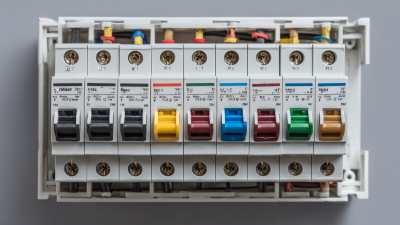
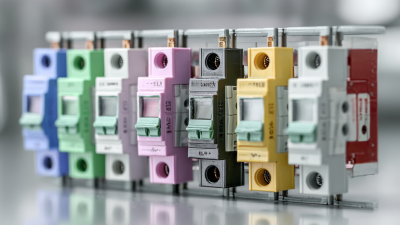
When it comes to electrical safety, understanding the functions and definitions of Miniature Circuit Breakers (MCB) and Earth Leakage Circuit Breakers (ELCB) is crucial for making informed decisions. MCBs are designed to protect electrical circuits from overloads and short circuits. They automatically disconnect the circuit when they detect a fault current exceeding a predetermined level. This prevents potential damage to appliances and reduces the risk of electrical fires. The simplicity and reliability of MCBs make them a popular choice for residential and commercial electrical systems.

On the other hand, ELCBs serve a different purpose by focusing on detecting earth faults. They monitor the electrical current flowing through the circuit and can identify discrepancies between the incoming and outgoing current. If a leakage occurs, such as when current flows through an unintended path, the ELCB will trip, disconnecting the power supply. This is essential for protecting humans from electric shocks, especially in wet environments like bathrooms or kitchens. Understanding these basic functions helps users evaluate their electrical safety needs and choose the appropriate device to safeguard their environments effectively.

The Importance of Electrical Safety in Modern Homes and Industries

2025 How to Choose Between Mcb and Elcb for Electrical Safety

In the modern world, electrical safety has become a paramount concern for both residential and industrial settings. According to a report by the National Fire Protection Association (NFPA), electrical failures or malfunctions were involved in approximately 13% of all home structure fires in the United States from 2015 to 2019. This highlights the necessity for effective electrical safety devices such as Miniature Circuit Breakers (MCB) and Earth Leakage Circuit Breakers (ELCB), which play a crucial role in preventing electrical hazards.

MCBs are designed to protect electrical circuits from overloads and short circuits, effectively minimizing risks of fire and equipment damage. On the other hand, ELCBs are critical for detecting ground faults and leakage currents which could lead to electric shocks. The International Electrotechnical Commission (IEC) indicates that up to 30% of electrical accidents could be mitigated through the proper use of circuit protection devices. As our reliance on electricity grows, the integration of advanced safety technologies becomes indispensable, ensuring the safety of our homes and industries alike.

Key Differences Between MCB and ELCB: A Comparative Overview

When it comes to ensuring electrical safety in homes and commercial buildings, understanding the differences between MCB (Miniature Circuit Breaker) and ELCB (Earth Leakage Circuit Breaker) is crucial. While both devices are essential for preventing electrical hazards, they serve distinct purposes. MCBs protect against overloads and short circuits by automatically switching off the electrical circuit, thus preventing damage and potential fires. In contrast, ELCBs are designed to detect earth faults, protecting users from electric shocks by interrupting the power supply when an imbalance is detected.

When choosing between MCB and ELCB, consider the specific electrical needs of your premises. If your primary concern is to safeguard against overloads and short circuits, MCBs are the preferable choice. However, for added protection against electrical shock due to leakage currents, incorporating ELCBs is advisable.

Tips: Always evaluate the total load and type of appliances in your setup before making a choice. Additionally, it is beneficial to consult with a qualified electrician to determine the best combination of protective devices tailored to your electrical system. Regular maintenance and testing of these devices can also enhance their efficiency and reliability, ensuring optimal safety in your environment.

Factors to Consider When Choosing MCB or ELCB for Your Needs

When choosing between Miniature Circuit Breakers (MCBs) and Earth Leakage Circuit Breakers (ELCBs) for electrical safety, several factors should be carefully considered. First, it is essential to understand the primary function of each device. MCBs are designed to protect against overcurrents resulting from overloads or short circuits, while ELCBs monitor the electrical current flowing in and out of a circuit, protecting against earth faults that could lead to electric shocks. Depending on the potential risks present in your electrical system, one device may be more suitable than the other.

Another crucial aspect to evaluate is the environment in which the electrical system operates. In residential settings, MCBs can suffice for general protection against overloads, but in environments that may have wet conditions or where there is a greater risk of electric shock, integrating an ELCB is advisable. Additionally, consider the current carrying capacity and tripping characteristics needed for your specific applications.

An accurate assessment of the load requirements against potential fault conditions will help determine whether an MCB, ELCB, or a combination of both is best suited to ensure maximum safety and compliance with electrical standards.

Installation Guidelines for MCB and ELCB Systems

2025 How to Choose Between Mcb and Elcb for Electrical Safety

When it comes to enhancing electrical safety within residential and commercial settings, understanding the installation guidelines for MCB (Miniature Circuit Breaker) and ELCB (Earth Leakage Circuit Breaker) systems is crucial. MCBs are designed to protect electrical circuits from overloads and short circuits, while ELCBs provide protection against earth faults. According to industry reports, improper installation of these devices can increase the risk of electrical hazards, underscoring the importance of adherence to established protocols.

For the installation of MCBs, it is essential to first assess the load capacity and ensure that the breaker rating aligns with the current carrying capacity of the circuit. Experts recommend maintaining a distance of at least 3-5 feet from water sources to minimize the risk of moisture-related failures. Similarly, ELCBs must be tested regularly—ideally every month—at the test button to ensure proper functioning. Keeping ELCBs clean and free from dust can significantly enhance their performance and lifespan.

**Tips:**
Ensure that all installations comply with local electrical codes and standards. It's advisable to consult with a qualified electrician to assess the specific needs of your electrical system. Furthermore, regularly updating and upgrading your electrical safety measures can mitigate risks and enhance the overall safety and reliability of your electrical systems.

Maintenance and Testing of MCB and ELCB for Optimal Performance

Ensuring the optimal performance of MCBs (Miniature Circuit Breakers) and ELCBs (Earth Leakage Circuit Breakers) is crucial for electrical safety. Regular maintenance is vital, as both devices are critical in preventing electrical overloads and faults that could lead to hazardous situations. A systematic approach to maintenance involves routine checks for physical damage, ensuring that all connections are secure, and verifying that the devices are functioning correctly through operational tests. This not only prolongs the lifespan of the breakers but also enhances safety measures in residential and commercial installations.

Testing MCBs and ELCBs should be conducted periodically, ideally every six months to a year, depending on the usage and environment. For MCBs, checking the tripping mechanism helps ensure that they respond appropriately in case of overloads. In the case of ELCBs, testing the earth leakage functionality is essential to confirm that they can detect ground faults promptly. This can typically be done using a test button located on the device itself. By ensuring that both types of breakers are well-maintained and properly tested, users can safeguard their electrical installations and minimize the risk of dangerous electrical incidents.

Comparison of MCB and ELCB Performance Factors

This bar chart illustrates the performance factors of Miniature Circuit Breakers (MCB) and Earth Leakage Circuit Breakers (ELCB), focusing on response time, tripping current, voltage rating, operational life, and testing frequency. Understanding these metrics can help in choosing the right device for electrical safety in various applications.

Future Trends in Electrical Safety Devices: What's on the Horizon?

As we look towards 2025, the landscape of electrical safety devices is evolving rapidly, driven by technological advancements and an increasing focus on energy efficiency. A recent report by the International Electrotechnical Commission predicts that by 2025, nearly 50% of homes will incorporate smart electrical safety devices that utilize artificial intelligence to enhance safety measures. This shift not only aims to improve user experience but also significantly reduces the risks associated with electrical faults.

The integration of enhanced monitoring systems in future electrical safety devices will also likely play a crucial role. Devices that can detect anomalies in real-time and communicate alerts to users' smartphones are expected to become the norm. In fact, according to a survey by the National Fire Protection Association, homes equipped with smart electrical devices showed a 30% drop in electrical fires compared to traditional systems. This trend highlights the importance of upgrading and staying informed about innovations in electrical safety technology.

Tips for choosing the right safety device include assessing the specific needs of your home and considering future integrations. Always opt for devices that meet updated safety standards and regulations. Additionally, keep an eye on user reviews and performance reports to ensure reliability. Adopting proactive measures through informed decisions will be crucial in maintaining safety and anticipating potential electrical hazards as we advance towards 2025.

2025 How to Choose Between Mcb and Elcb for Electrical Safety - Future Trends in Electrical Safety Devices: What's on the Horizon?

Safety Device Function Application Advantages Future Trends
Mcb Overcurrent protection Residential/Commercial Compact, reliable, quick response Smart technology integration
Elcb Earth fault protection Industrial/Commercial Prevents electrical shock Enhanced sensitivity features
Rccb Residual current protection Residential/Industrial Sensitive to zero current leakage Integration with IoT devices

Current Trends and Projections in Low Voltage Circuit Breakers: Insights from Market Analysis Reports on OEM MCB and ELCB Supply Chains

Current trends in low voltage circuit breakers (MCBs) and Earth Leakage Circuit Breakers (ELCBs) reveal a significant shift towards smarter and more efficient designs. Market analysis reports indicate that the global demand for MCBs is driven by increasing industrial automation and the growing focus on energy efficiency in residential and commercial applications. In particular, miniature circuit breakers like the CJM1-63 Type are instrumental in safeguarding electrical installations against overloads and short circuits, operating effectively under AC 50Hz/60Hz with rated voltages of 230V/400V and current ratings ranging from 6A to 63A.

Projections in supply chains underscore a rise in the adoption of MCBs and ELCBs due to stricter safety regulations and enhanced awareness of electrical safety. As the industry moves towards more integrated systems, the functionality of MCBs is expanding beyond mere protection to include features like remote monitoring and grid compatibility. Reports suggest that by 2025, the low voltage circuit breaker market could see an annual growth rate of over 6%, indicating a robust demand for versatile and reliable circuit protection devices.

In this evolving landscape, the importance of dependable products that can support both protection and operational efficiency continues to grow. The CJM1-63 Type miniature circuit breaker, for instance, not only provides crucial overload and short circuit protection but also allows for occasional switching operations, thus catering to the diverse operational needs of modern electrical systems. The ongoing advancements in circuit breaker technologies will likely influence how industries approach electrical safety and efficiency moving forward.

FAQS

: Why is electrical safety important in modern homes and industries?

: Electrical safety is crucial because electrical failures can lead to serious hazards such as fires and electric shocks. Reports indicate that a significant percentage of home structure fires are related to electrical issues, making safety measures essential in both residential and industrial settings.

What are Miniature Circuit Breakers (MCB) and Earth Leakage Circuit Breakers (ELCB)?

MCBs protect electrical circuits from overloads and short circuits, while ELCBs detect ground faults and leakage currents to prevent electric shocks. Both devices are vital for enhancing electrical safety.

How can improper installation of electrical safety devices impact safety?

Improper installation of MCBs and ELCBs can increase the risk of electrical hazards. Adhering to installation guidelines is essential to ensure the effectiveness of these devices.

What are some key installation guidelines for MCBs?

Key guidelines include assessing the load capacity of the circuit, ensuring the breaker rating is appropriate, and maintaining a distance of at least 3-5 feet from water sources to reduce the risk of moisture-related failures.

How often should ELCBs be tested for proper functioning?

ELCBs should ideally be tested monthly using the test button to ensure they are functioning correctly and to maintain electrical safety.

What future trends are expected in electrical safety devices by 2025?

By 2025, it is anticipated that around 50% of homes will utilize smart electrical safety devices featuring artificial intelligence, advanced monitoring systems, and real-time alerts to enhance safety.

How can smart electrical safety devices improve safety?

Smart electrical safety devices can detect anomalies in real-time and communicate potential issues directly to users’ smartphones, significantly reducing the risks associated with electrical faults.

What should homeowners consider when choosing electrical safety devices?

Homeowners should assess their specific safety needs, consider future integrations, and opt for devices that comply with updated safety standards and regulations.

What is the impact of upgrading to smart electrical devices?

Homes equipped with smart electrical devices can see significant reductions in electrical fires, making it important for homeowners to stay informed about advancements in safety technology.

How can individuals enhance the performance and lifespan of ELCBs?

Keeping ELCBs clean and free from dust, alongside regular testing, can significantly enhance their performance and ensure prolonged lifespan.

Conclusion

The article "2025 How to Choose Between MCB and ELCB for Electrical Safety" provides a comprehensive guide to understanding MCB (Miniature Circuit Breaker) and ELCB (Earth Leakage Circuit Breaker), highlighting their definitions, functions, and the critical role they play in ensuring electrical safety in both homes and industries. By outlining key differences, it assists readers in making informed choices based on their specific needs, emphasizing the importance of selecting the right device for optimal electrical safety.

Furthermore, the article covers essential installation guidelines, maintenance tips, and testing procedures to ensure the longevity and effectiveness of MCB and ELCB systems. It also explores future trends in electrical safety devices, hinting at advancements that may enhance protection measures. This knowledge is vital for individuals looking to secure their electrical systems and promote safety in various environments.

Sophie

Sophie

Sophie is a dedicated marketing professional at Zhejiang Cejia Electric Co., Ltd., where she leverages her extensive knowledge of the company's cutting-edge electrical products to drive engagement and education. With a firm grasp on the technical aspects and market trends, Sophie is instrumental in......
Previous How to Choose the Right DC Breaker for Your Solar Energy System Efficiency