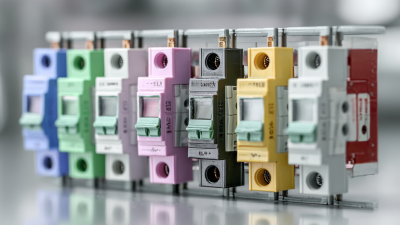
Picking the right RCCB device is super important when it comes to keeping things safe with electricity. I’ve read reports from the Electric Safety Council saying that more than 40% of electrical accidents could actually be avoided just by using the right RCCB. These gadgets are your best friends when it comes to protecting against earth faults, so they’re a must-have in both homes and workplaces.
Honestly, figuring out what kind of RCCB you need can be a bit of a maze. Not all of them offer the same level of protection, and things like the current rating, how quickly they trip, and where you’re installing them really matter. Experts from Schneider Electric point out that choosing the wrong one can mess with your system’s efficiency and even increase risks.
Getting the right RCCB isn’t just about picking any device; it’s about thinking carefully. Everyone’s needs are different. Some folks might just go for the cheapest option, but others will prioritize durability and reliability. It’s all about finding that sweet spot—making smart, informed choices that balance safety with practical needs.
At the end of the day, it’s really about understanding what’s best for you. Taking the time to consider your specific situation makes all the difference — after all, safety shouldn’t be cut corners with!
RCCB, or Residual Current Circuit Breaker, is essential for electrical safety. It detects imbalance in electrical currents. This helps to prevent electric shocks and reduce fire risks. As per industry reports, around 30% of electrical accidents are linked to ground faults. RCCBs can be critical in mitigating these hazards.
These devices work by constantly monitoring the live and neutral currents. If a difference is detected, the RCCB disconnects the circuit within milliseconds. This rapid response is crucial. In fact, studies show that an RCCB can cut the risk of fatal electric shocks by up to 98%.
Choosing the right RCCB depends on various factors. You must consider the total load and the types of equipment used. Safety ratings are vital too. The standard ratings include Type AC, A, and B, each designed for specific applications. Understanding these ratings is crucial for making informed choices. Always consult a qualified electrician to ensure proper installation and compliance with local regulations.
This chart illustrates the trip time in milliseconds for various RCCB devices. When choosing an RCCB, consider the trip time to ensure prompt disconnection during faults, enhancing safety effectively.
When choosing an RCCB device, it's essential to consider several key features. One critical aspect is the rated current. This defines the maximum load the RCCB can handle. If the device isn’t rated for your usage, it may trip frequently or, worse, fail to protect you. Most homes should opt for a device rated between 30mA to 300mA, depending on the application.
Another vital feature is the sensitivity. Devices typically come in various sensitivities, from high to low. Higher sensitivity offers more protection, especially in areas with wet conditions. The response time of the RCCB is also important. A faster response can prevent serious electric shocks or fire hazards.
Consider installation and testing features. Some devices come with a built-in test button. This allows you to regularly check if the device is functioning correctly. Regular testing can ensure that you are always protected.
Choosing an RCCB is complex. Balancing sensitivity and rated current is key. Reflect on your specific needs and usage. Don't overlook these details; they can significantly impact safety.
When selecting an RCCB (Residual Current Circuit Breaker), understanding current and voltage ratings is crucial. A recent report by the International Electrotechnical Commission highlights that improper selection can lead to significant safety hazards. Therefore, evaluating your specific requirements is essential for effective protection.
Current rating directly influences the RCCB's ability to handle electrical loads. For residential use, devices rated between 16A to 63A are common. Choosing the wrong rating might lead to nuisance tripping or, conversely, inadequate protection. Electrical safety standards suggest that your RCCB's rating should exceed the maximum expected load by at least 20 percent. This margin enhances reliability and ensures safety.
Voltage ratings are equally important. In most domestic settings, a rating of 230V is sufficient, but consider higher ratings for industrial applications. The IEEE cautions against exceeding these ratings, as it can damage equipment and introduce risks. It’s vital to assess the potential exposure to surges. Reflections on these parameters can significantly affect the reliability and safety of your electrical systems.
| Device Type | Current Rating (A) | Voltage Rating (V) | Trip Sensitivity (mA) | Applications |
|---|---|---|---|---|
| Type AC | 16 | 230 | 30 | Residential |
| Type A | 25 | 230 | 30 | Commercial |
| Type B | 32 | 400 | 30 | Industrial |
| Type S | 40 | 230 | 100 | Specialized Equipment |
| Type F | 63 | 400 | 30 | Solar Applications |
When selecting the right RCCB device, environmental conditions play a crucial role. Factors such as humidity, temperature, and exposure to dust can impact performance. For instance, a high humidity environment might require devices with enhanced waterproof ratings. Dusty conditions could necessitate additional protective measures to safeguard the equipment. Installation sites matter too. An RCCB installed outdoors needs robust housing to withstand harsh weather. Indoor installations may have different considerations based on the layout and electrical load. Areas with frequent vibrations might require extra stabilizing techniques. Therefore, assess the surroundings carefully before making a decision. Each detail counts.
Reflecting on these aspects can lead to more informed choices. It's not just about picking a device; it's about understanding the specific needs of your environment. Taking the time to evaluate these factors might result in a more suitable and long-lasting solution for electrical safety. Making the right choice is not simple, but with careful consideration, it becomes less daunting.
When selecting an RCCB device, it's crucial to compare various brands and models. Several reports indicate that the global RCCB market grew by 5.1% from 2021 to 2022. This growth underscores the importance of understanding different options. Key factors include sensitivity ratings, installation type, and brand reputation. Brands vary significantly in reliability and performance, making it essential to research each model thoroughly.
When evaluating RCCBs, consider the environments they will be used in. For instance, residential use often requires different specifications compared to industrial settings. Review the technical specifications closely to ensure they align with your specific needs. Some models offer advanced features like integrated surge protection. Others may lack this capability, potentially leading to vulnerabilities.
Assessing user reviews can provide insights into long-term reliability. Some products may receive initial praise but fail in critical situations. Evaluate the warranty and customer service support offered by manufacturers. These factors contribute to long-term satisfaction and peace of mind. Selection shouldn't be rushed; thorough comparison can prevent costly mistakes. Always reflect on your choices and seek professional advice when needed.
When considering the right RCCB (Residual Current Circuit Breaker) device for your needs, understanding compliance standards and regulations is crucial. Various regions have their specific requirements, which influence the selection process. For example, in Europe, the IEC 61008 standard governs RCCBs. According to data from the International Electrotechnical Commission, adherence to these standards prevents up to 90% of electrical shock incidents.
Choosing an RCCB that complies with your local standards can significantly enhance safety. Look for devices that meet specifications outlined by regulatory bodies. This compliance ensures that the RCCB functions correctly under specified conditions. In the U.S., the National Electrical Code emphasizes the use of RCCBs in specific applications, reducing risks in residential and commercial properties.
For effective selection, assess your environment's risk factors. High moisture areas, like bathrooms or kitchens, require highly sensitive RCCBs. They should trip at lower leakage currents. It’s also essential to consider the device's rated current. Align this with your anticipated load to ensure optimal performance.
Remember, just meeting compliance doesn’t guarantee perfection. Some RCCBs may still not perform well in extreme conditions. Always read reviews and consult professionals when in doubt. Keep this in mind as you navigate the complexities of your RCCB selection process.
Choosing the right RCCB device is crucial. This choice should not be taken lightly. It’s beneficial to seek professional advice during this process. Professionals have experience and knowledge that can guide you effectively. They understand the specific requirements for different environments.
When discussing needs with an expert, share your specific requirements. This includes power ratings and installation settings. A professional can assess your unique circumstances. They might suggest options that fit your needs better than you expected. Understanding the differences among various RCCB devices is complex. Professional insights can illuminate these intricacies.
Many people feel overwhelmed by technical specifications. This is common and completely normal. Consulting with an experienced technician can simplify your decisions. They can explain how the right RCCB enhances safety. You will be more confident in your choice. Reflecting on your situation openly can lead to better decisions. A professional’s guidance can ensure you are on the right path.
In today's rapidly advancing technological landscape, the importance of robust protective solutions for communication systems cannot be overstated. Among these, a 24V RS485 Signal Surge Protective Device stands out as an essential component, especially for applications involving telemetry, remote control signals, and fieldbus communications. Data suggests that the integration of surge protective devices can significantly reduce downtime caused by lightning strikes and other electrical surges, with recent industry reports indicating that downtime can cost businesses up to $300,000 per hour.
The CJ10 series surge protector exemplifies the ideal solution for safeguarding communication lines by being integrated in series before the protected equipment. This device is specifically designed to suppress induced over-voltage, effectively shielding sensitive equipment from potential threats associated with lightning strikes and electrical interference. Its versatility allows it to be utilized across various applications, including signal lines for 0-20mA and 4-20mA control systems, ensuring a broad range of functionality for industrial settings.
Moreover, with the rising frequency of transient voltage events due to extreme weather patterns, the need for such protective measures has become increasingly critical. A report from the Institute of Electrical and Electronics Engineers (IEEE) revealed that over 60% of industrial equipment failures are attributed to power surges, demonstrating the pressing necessity for advanced surge protection to maintain operational integrity. Implementing a 24V RS485 Signal Surge Protective Device not only enhances the durability of communication systems but also offers peace of mind against unexpected electrical hazards.
: An RCCB is a Residual Current Circuit Breaker that enhances electrical safety by detecting current imbalances.
It monitors live and neutral currents. If a difference is found, it disconnects the circuit quickly.
Choosing the right RCCB ensures effective protection against electric shocks and reduces fire risks.
Look for current ratings, safety ratings, and types, including Type AC, A, and B for specific uses.
Current ratings influence load handling. Ratings between 16A to 63A are common for residential applications.
Voltage ratings prevent equipment damage. Most homes require 230V, but higher ratings suit industrial uses better.
Humidity, temperature, and dust exposure can affect performance. Waterproof and dust-resistant options may be necessary.
Outdoor installations need robust housing. Indoors, consider layout and electrical load.
Assess all aspects, including environment and load. This will lead to better safety solutions.
Not always. The process requires careful evaluation, but informed choices can reduce complications.
Choosing the right RCCB device is essential for ensuring effective electrical safety in various environments. An RCCB, or Residual Current Circuit Breaker, serves the purpose of preventing electrical shock by quickly disconnecting the circuit in case of earth faults. When selecting an RCCB device, it is crucial to understand its key features, including current and voltage ratings, to match the specific needs of your installation site. Additionally, assessing environmental conditions such as humidity and temperature will help determine the best type of device for optimal performance.
Furthermore, it is important to compare different RCCB brands and models to find one that adheres to compliance standards and regulations. Seeking professional advice can also aid in making an informed decision, ensuring that the chosen RCCB device meets both safety requirements and operational efficiency. Careful consideration of these aspects will ultimately lead to a reliable and safe electrical system.