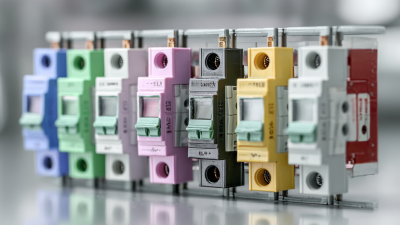
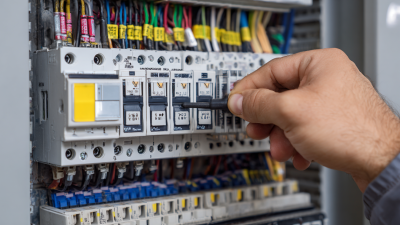
In today’s fast-moving electrical world, picking the right RCBO breaker is super important. It’s not just about keeping things running smoothly—it’s really about safety too. Did you know that, according to the International Electrotechnical Commission (IEC), electrical issues cause around 30% of residential fires? That’s a pretty big deal, and it just shows how crucial protective devices like RCBO breakers are when it comes to avoiding disasters. An RCBO breaker is pretty handy because it combines two functions: it acts like a Residual Current Device (RCD) and a Miniature Circuit Breaker (MCB). So, it not only stops overcurrent situations but also detects earth faults, making it a must-have in today’s electrical setups.
As more homes and businesses start using more advanced electrical gadgets and systems, the need for reliable protection doesn’t just grow—it becomes essential. The Electrical Safety Foundation International (ESFI) reports that thousands of electrical injuries happen every year, many of which could be avoided with the right RCBO breaker. That’s why it’s so important for folks to make informed choices when picking these devices. Understanding your specific electrical needs means you can choose an RCBO breaker that really does the job—keeping everything safe, working properly, and running smoothly without a hitch.

Understanding RCBO Breakers and Their Functionality
RCBO (Residual Current Circuit Breaker with Overcurrent protection) breakers are essential components in modern electrical systems, designed to enhance safety and efficiency. They combine functions of both residual current devices and traditional circuit breakers, providing dual protection against both overloads and ground faults. Industry reports indicate that the use of RCBOs can significantly reduce the risk of electrical fires and electrocution, which are responsible for thousands of incidents annually. According to the Electrical Safety Foundation International (ESFI), over 30,000 electrical fires occur each year in residential properties, making the adoption of advanced protective devices like RCBOs critical in reducing such hazards.
In understanding the functionality of RCBO breakers, it is important to recognize their operational principles. They monitor the flow of electrical current and detect imbalances between the live and neutral wires, which could indicate a fault. For instance, a current imbalance of just 30 milliamperes is enough to trigger the breaker, cutting off the electricity supply and preventing potential dangers. Moreover, recent studies have shown that integrating RCBOs in electrical installations can improve overall system reliability by preventing nuisance tripping when correctly selected and positioned. This feature is particularly beneficial in environments with sensitive electronic equipment, where uninterrupted power supply is crucial. Thus, a well-chosen RCBO not only protects but also optimizes the functionality of an electrical system.
How to Choose the Right RCBO Breaker for Your Electrical System Needs
| Feature |
Details |
| Type of Load |
Determine if the load is resistive, inductive, or a mixed load. |
| Rated Current |
Choose a breaker with a rated current matching the load requirements. |
| Sensitivity Rating |
Select sensitivity ratings such as 30mA for personal protection. |
| Number of Phases |
Identify if your system is single-phase or three-phase. |
| Installation Environment |
Consider whether the RCBO will be installed indoors or outdoors. |
| Breaking Capacity |
Ensure the RCBO has the appropriate breaking capacity for the circuit. |
| Compliance Standards |
Verify if it meets local and international safety standards. |
Identifying Your Electrical System's Requirements
When choosing the right RCBO breaker for your electrical system, understanding your specific electrical needs is crucial. Start by evaluating the electrical load of the appliances and devices you intend to use. Calculate the total amperage that will be drawn at peak usage times to ensure your chosen breaker can handle the demands without tripping unexpectedly. Consider the nature of the loads as well—whether they are continuous or intermittent—as this can influence the performance of the breaker.
Tips: Always prioritize safety by ensuring the selected RCBO offers appropriate delay settings for start-up loads, which can prevent nuisance tripping. Additionally, consider the sensitivity ratings of the RCBO; lower ratings provide better protection against earth faults, which is essential in residential settings.
Another important factor is the type of electrical system in use. If you are in an area with unstable mains supply, look into options that provide additional surge protection. Assess the installation environment—moisture-prone areas might require breakers with higher ingress protection ratings. This careful analysis will help ensure that your electrical system remains safe and efficient.
Tips: When in doubt, consult with a qualified electrician who can help assess your system’s needs and recommend appropriate options. Always ensure your breaker complies with local electrical codes and standards to enhance safety.
Electric Load Analysis for RCBO Selection
This bar chart illustrates the typical electrical loads for different applications, helping you determine the appropriate RCBO breaker type required for your electrical system. Choose an RCBO that can handle the maximum load while offering the necessary protection.
Evaluating Current Rating Options for RCBOs
When selecting the right Residual Current Circuit Breaker with Overcurrent protection (RCBO) for your electrical system, evaluating the current rating options is essential. The current rating refers to the maximum current the device can handle, and selecting the appropriate rating is vital to ensure both safety and efficiency. According to research published by the International Electrotechnical Commission (IEC), a suitable current rating should align with the load characteristics of the electrical system, thereby reducing the risk of nuisance tripping while also offering protection against overload and earth faults.
Typical current ratings for RCBOs range from 6A to 125A, with 16A, 20A, 32A, and 40A being commonly utilized in residential and commercial settings. It's essential to assess the cumulative load of the appliances and machines connected to the circuit when choosing the rating. For instance, if the combined load of devices does not exceed the rating, the RCBO will function effectively without interruption. Furthermore, industry reports highlight that under-sizing an RCBO may lead to frequent trips, while over-sizing can compromise safety by allowing too much current before trip mechanisms engage. This understanding is critical for electrical engineers and installers tasked with specifying the right equipment for their projects.
Considering Voltage Ratings and Types of Circuitry
When selecting the right RCBO (Residual Current Circuit Breaker with Overcurrent protection) for your electrical system, understanding voltage ratings and the types of circuitry in use is crucial. Different applications require different voltage ratings; residential systems typically operate at 230V, while industrial applications may use up to 400V. According to a report by the International Electrotechnical Commission, around 60% of electrical failures in commercial installations can be attributed to inadequate voltage rating selection and improper circuit configurations.
It's also important to consider the type of circuitry your system employs, whether it is a single-phase or three-phase circuit. A single-phase circuit generally handles lighter loads, while three-phase circuits are optimal for heavier, more complex machinery. An Electrical Safety Foundation report indicates that properly matched RCBO types can prevent up to 70% of electrical faults. Therefore, ensuring compatibility with your specific circuitry can significantly enhance system safety and reliability.
Tips: Always verify the voltage requirements for your specific installation, and choose an RCBO that matches or exceeds those ratings. Additionally, review the load calculations for your circuits to ensure that the selected RCBO can handle peak demands without tripping unnecessarily. Finally, consider engaging a licensed electrician to conduct a comprehensive evaluation of your electrical system, ensuring that all aspects meet safety standards and operational requirements.
Assessing Short Circuit and Overload Protection Needs
When selecting the right Residual Current Circuit Breaker with Overcurrent protection (RCBO) for your electrical system, understanding the specific short circuit and overload protection needs is paramount. Short circuit protection is vital as it safeguards your electrical system from damage caused by excessive current flow during fault conditions. This function automatically disconnects the circuit when it detects a short circuit, thereby preventing potential fire hazards or equipment damage.
On the other hand, overload protection is essential to prevent circuit components from overheating due to prolonged overcurrent conditions. An RCBO can sense prolonged current draw that exceeds the rated capacity of the circuit and trip accordingly. To determine the appropriate RCBO, consider the total load of connected devices and appliances, as well as the characteristics of the electrical system. Ensuring that the RCBO is rated correctly for both its short circuit current rating (SCCR) and its overload capacity will enhance safety and the longevity of your electrical installation. Proper assessment and selection can significantly mitigate risks and ensure efficient operation within your electrical framework.
Exploring Additional Features and Manufacturer Recommendations
When selecting the right RCBO (Residual Current Breaker with Overload protection) breaker for your electrical system, various additional features can enhance its performance and safety. One such feature is the voltage rating, which should match the electrical system's specifications to ensure proper functioning. Furthermore, consider the sensitivity rating of the RCBO, typically expressed in milliamperes (mA). Lower sensitivity ratings provide higher protection against earth faults, while higher ratings can be beneficial for specific appliances, balancing safety and functionality.
Another crucial aspect to explore is the RCBO’s trip curve types. These determine how the breaker responds to overloads and short circuits. Different applications may require different trip characteristics; for instance, Type B breakers are suitable for residential use, while Type C may be better for commercial environments with higher inrush currents. Additionally, look for features like test buttons, which allow for regular safety checks, and integrated LED indicators that signal operational status. By understanding these features and their implications, users can make informed choices that cater to their unique electrical needs.
Finding the Right Size and Installation Compatibility
Choosing the right RCBO (Residual Current Circuit Breaker with Overcurrent Protection) for your electrical system is crucial for ensuring safety and compatibility. When determining the appropriate size of an RCBO, it’s essential to consider the total load of the circuit as well as the specific characteristics of the appliances connected. According to the National Electrical Manufacturers Association (NEMA), the sizing should account for the combined ratings of all devices to prevent nuisance tripping while also providing effective fault protection. Typically, RCBOs are rated in Amperes (A), and common ratings like 16A or 32A are based on the expected load, which should be documented during the design phase.
Installation compatibility is also a vital aspect when selecting an RCBO. Many installers align their choices with the standards set by the International Electrotechnical Commission (IEC), which recommends thorough compatibility checks against the existing system. Factors such as the type of distribution board, the wiring gauge, and specific installation environments significantly influence the choice of RCBO. A recent report by the Electrical Safety Foundation International (ESFI) indicates that improperly selected breakers can lead to performance failures in approximately 30% of electrical systems. Hence, ensuring that the selected RCBO meets both size requirements and installation conditions is essential for maximizing safety and reliability in electrical applications.
FAQS
: Start by evaluating the total amperage drawn by your appliances at peak usage times. Assess whether the loads are continuous or intermittent, as this can affect breaker performance.
Prioritize safety by selecting an RCBO with appropriate delay settings for start-up loads, which helps manage temporary surges in power demand.
Lower sensitivity ratings provide better protection against earth faults, which is especially important in residential settings.
The type of electrical system influences your choice; for instance, areas with unstable mains supply may benefit from surge protection options.
A qualified electrician can help assess your electrical system’s specific needs and ensure compliance with local electrical codes and standards.
Different applications have different voltage ratings; residential systems usually require 230V while industrial systems may operate at up to 400V.
Understanding whether your system uses single-phase or three-phase circuitry is crucial, as matching the RCBO type to the circuitry can enhance safety and reliability.
Ensure that the RCBO can handle peak demands based on your circuit's load calculations to avoid unnecessary tripping.
Properly matched RCBO types can prevent a significant percentage of electrical faults, enhancing both safety and operational reliability in your system.
In moisture-prone areas, it is important to choose breakers with higher ingress protection ratings to ensure safety and performance.
Conclusion
Choosing the right RCBO breaker for your electrical system is crucial to ensure safety and efficiency. Understanding the functionality of RCBO breakers is the first step, as they provide both residual current protection and overcurrent protection, making them essential for modern electrical systems. Identifying your specific electrical needs, such as evaluating current rating options and considering various voltage ratings, is important for compatibility and performance.
Moreover, assessing your system's requirements for short circuit and overload protection can help in selecting the correct RCBO breaker. Exploring additional features, such as testing buttons and indicator lights, can enhance the safety and usability of the breaker. Finally, ensuring proper size and installation compatibility with your existing circuit will guarantee optimal performance and reliability in protecting your electrical system.