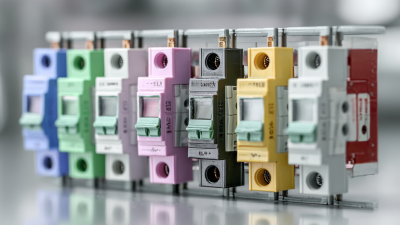
When it comes to electrical safety nowadays, choosing between Residual Current Devices (RCDs) and Residual Current Circuit Breakers (RCCBs) is becoming more and more important. Especially with new safety rules and tech improvements rolling out, it’s good to get your head around what’s what. Looking ahead to 2025, reports from the likes of the International Electrotechnical Commission (IEC) show that electrical faults still cause a large chunk of accidents at home and at work. In fact, about 20% of fire-related hazards are linked to electrical issues—that’s pretty significant! So, picking the right safety device isn’t just about avoiding shocks; it also plays a big role in preventing fires caused by electrical faults.
The National Fire Protection Association (NFPA) also highlights that using RCDs and RCCBs has actually led to a real drop in electrical injuries and even deaths. RCDs work by sensing any imbalance in electrical current, while RCCBs mainly protect against earth faults—each having its own part to play in keeping things safe. As homes and businesses increasingly modernize, it’s super important for both safety folks and property owners to understand the differences and proper uses of RCDs and RCCBs. This guide is here to help you make sense of what’s what—so you can make smarter choices and keep everyone safer as new technology rolls in and regulations get tighter.
Residual Current Devices (RCDs) are critical components in electrical safety, designed to prevent electric shocks and reduce the risk of electrical fires. An RCD functions by continuously monitoring the electrical current flowing through a circuit. If it detects an imbalance between the outgoing and returning currents, indicating a leakage (potentially caused by a fault or a person coming into contact with live parts), it immediately disconnects the circuit. According to the International Electrotechnical Commission (IEC), RCDs can cut off the supply within just 30 milliseconds, significantly reducing the likelihood of injury or fatality from electric shock.
In 2025, as electrical systems become increasingly complex, the importance of utilizing RCDs in residential and commercial settings cannot be overstated. Data from the National Fire Protection Association (NFPA) indicates that electrical failures or malfunctions have been a leading cause of home structure fires, representing approximately 13% of reported incidents. This highlights the necessity of integrating RCDs into electrical systems, ensuring both compliance with safety standards and heightened protection for users. Evaluating the required specifications and types of RCDs can help address specific safety needs, and in turn, contribute to a safer electrical environment.
Residual Current Circuit Breakers (RCCBs) play a crucial role in enhancing electrical safety by detecting and interrupting electrical faults due to leakage currents. These devices work by monitoring the current flow within a circuit and can quickly disconnect the power supply if an imbalance is detected. This immediate response significantly reduces the risk of electrical shocks and potential fire hazards, making RCCBs an essential component in modern electrical systems.
The benefits of incorporating RCCBs into electrical safety measures are multifaceted. Firstly, they provide essential protection for individuals against electric shock, especially in environments where moisture is prevalent, such as bathrooms and kitchens. Additionally, RCCBs contribute to the protection of electrical appliances and wiring by preventing damage from faults that may otherwise go unchecked. Adopting RCCBs not only ensures compliance with safety regulations but also fosters peace of mind in households and commercial settings, creating safer living and working environments. As electrical safety standards evolve, understanding the purpose and advantages of RCCBs is crucial for making informed decisions about electrical installations.
This bar chart illustrates the effectiveness of Residual Current Devices (RCDs) and Residual Current Circuit Breakers (RCCBs) in ensuring electrical safety. In 2025, the data indicates that RCCBs are anticipated to show a higher percentage of benefits in electrical safety compared to RCDs.
When it comes to ensuring electrical safety in residential and commercial properties, understanding the distinctions between Residual Current Devices (RCDs) and Residual Current Circuit Breakers (RCCBs) is crucial. According to the International Electrotechnical Commission, electrical accidents lead to over 1,000 fatalities globally each year, highlighting the need for effective safety solutions. RCDs and RCCBs serve a similar purpose, but they operate on different principles and offer varying levels of protection.
RCCBs specifically detect earth faults and disconnect the circuit when discrepancies between the live and neutral wires arise. They are designed to prevent electric shock and are essential for protecting human safety. On the other hand, RCDs encompass a wider range of protective functions, which may include safeguards against overcurrent in addition to earth fault protection. A report from the Electrical Safety Foundation International reveals that using RCDs in homes can reduce electrical shock incidents by 50%, emphasizing the importance of choosing the right device for specific safety needs.
When choosing between an RCD and an RCCB, consider the level of protection needed and the specific electrical risks present. For instance, environments with high moisture levels, such as bathrooms or kitchens, would greatly benefit from RCCBs due to their focused protection against shock. Conversely, RCDs might be more suitable for broader applications where both shock and overload protection are necessary. Understanding these key differences can lead to more informed decisions, ultimately enhancing electrical safety in various settings.
When selecting between an RCD (Residual Current Device) and an RCCB (Residual Current Circuit Breaker) for your electrical safety needs in 2025, several key factors should be taken into consideration. A crucial aspect is the specific application of the devices. RCDs are designed to detect leakage currents in electrical systems and provide protection against electric shock, while RCCBs are primarily used to disconnect the circuit in the event of a fault, preventing potential fires. According to the International Electrotechnical Commission (IEC), the implementation of RCDs can reduce the risk of fatal electric shocks by up to 60% in residential settings, highlighting their importance in ensuring safety.
Another important factor is the sensitivity ratings required for your installation. RCDs typically come with various sensitivity levels, often ranging from 10 mA to 300 mA. The choice of sensitivity greatly depends on the environment and type of equipment being used. For instance, a sensitivity of 30 mA is commonly recommended for general household use, as it provides adequate protection against severe shock without being too prone to nuisance tripping. In commercial and industrial settings, higher sensitivity may be necessary depending on the complexity of the electrical systems involved. The latest data from the International Energy Agency (IEA) suggests that the adoption of enhanced protective devices like RCDs and RCCBs has been linked to a noticeable decline in electrical fires and shock incidents, further emphasizing the need for careful selection based on specific requirements.
| Factor | RCD (Residual Current Device) | RCCB (Residual Current Circuit Breaker) |
|---|---|---|
| Functionality | Detects earth faults and disconnects the circuit. | Specifically designed to prevent electric shock. |
| Applications | Used in residential and commercial settings. | Ideal for residential use and non-industrial environments. |
| Sensitivity Ratings | Available in various sensitivity ratings (30mA, 100mA, etc.). | Typically available in 30mA or higher for personal protection. |
| Tripping Mechanism | Responds to imbalances in current flow. | Cuts off current when there's a fault detected. |
| Cost | Generally more expensive than RCCB. | More affordable option for basic protection. |
| Installation Complexity | Requires understanding of electrical systems. | Simpler installation, often user-friendly. |
When selecting between Residual Current Devices (RCDs) and Residual Current Circuit Breakers (RCCBs) for electrical safety in 2025, understanding the regulatory standards and compliance requirements is paramount. As technology evolves, so do the laws governing electrical installations. In many regions, updated regulations now mandate the use of RCDs or RCCBs in various settings to enhance safety. It's essential for homeowners and professionals alike to familiarize themselves with local codes, which may differ widely and potentially impact the choice of device.
Tips for ensuring compliance include checking with local authorities or professional bodies regarding the latest standards. Additionally, when installing RCDs or RCCBs, always ensure they are adequately rated for the specific application to avoid future issues. Furthermore, regular testing of these devices is crucial to guarantee they function correctly and meet safety requirements.
As you plan your electrical installations, consider consulting a licensed electrician who understands current regulatory standards. This helps not only in achieving compliance but also in understanding the specific advantages each device offers in terms of protection against electrical faults. With the right knowledge and support, you can make informed choices that significantly enhance electrical safety in your environment.
In the evolving landscape of electrical safety, understanding the specific applications of Residual Current Devices (RCDs) and Residual Current Circuit Breakers (RCCBs) is essential for both residential and commercial settings. According to a report by the International Electrotechnical Commission (IEC), RCDs have become increasingly crucial in preventing electrocutions and electrical fires, reducing such incidents by an estimated 30% in homes over the past decade. RCDs are particularly suited for locations with high water exposure, such as bathrooms and kitchens, where the risk of electric shock is heightened. Conversely, RCCBs are predominantly used in industrial environments where heavy machinery is operated, offering protection against earth faults, thus ensuring employee safety.
Tips for selecting the right device include assessing the environment's specific needs. For instance, in residential spaces, particularly where young children or elderly individuals reside, incorporating RCDs can vastly enhance safety standards. On the other hand, businesses utilizing substantial electrical loads should consider RCCBs due to their robust protection against electrical faults. Furthermore, regular testing of these devices is vital. Data from the National Electrical Manufacturers Association (NEMA) indicates that periodic testing ensures devices are functioning correctly and can significantly contribute to overall electrical safety.
In addition, understanding the technical specifications, such as the rating and trip sensitivity, can aid in making informed decisions. It’s advisable to utilize devices that can respond quickly under fault conditions. Engaging a professional electrician to assist in the evaluation of safety needs can also provide tailored solutions that adhere to current safety standards, thereby ensuring effective protection for both residential and commercial use.
As we move toward 2025, the landscape of electrical safety continues to evolve, with Residual Current Devices (RCDs) and Residual Current Circuit Breakers (RCCBs) playing pivotal roles. Both devices are designed to enhance safety by preventing electric shocks and reducing the risk of electrical fires. However, trends indicate a growing integration of smart technologies and improved monitoring systems in electrical safety devices. These advancements ensure that users are better informed about their electrical systems, promoting a proactive rather than reactive approach to electrical safety.
Tip: When considering whether to choose an RCD or RCCB, assess your specific electrical safety needs first. If your priority is protecting against earth faults, RCCBs might be the better choice. Conversely, if you want an added layer of protection that incorporates overload and short-circuit protection, RCDs are more suitable.
Emerging technologies are also influencing safety measures. Smart RCDs and RCCBs equipped with remote monitoring capabilities allow users to receive real-time updates and alerts on their electrical systems. This not only aids in immediate troubleshooting but also contributes to a more energy-efficient home environment. Staying updated on these advancements can help you make informed decisions that align with future electrical safety protocols.
Tip: Regularly evaluate and update your electrical safety devices to keep pace with technological advancements. This ensures optimal performance and compliance with the latest safety standards, safeguarding your property and wellbeing.
: An RCD (Residual Current Device) is designed to continuously monitor electrical currents in a circuit and disconnect it if it detects an imbalance, thus preventing electric shocks and reducing the risk of electrical fires.
An RCD can cut off the electrical supply within just 30 milliseconds after detecting an imbalance, significantly reducing the likelihood of injury or fatalities from electric shock.
RCDs provide broader protective functions, including protection against both earth faults and overcurrent, while RCCBs specifically detect earth faults and disconnect the circuit in cases of discrepancies between the live and neutral wires.
RCCBs are especially beneficial in high moisture areas, such as bathrooms and kitchens, due to their focused protection against electric shocks.
Choosing the appropriate type, such as an RCD or RCCB, ensures that specific electrical risks are addressed and the level of protection meets the safety needs of the environment.
Smart RCDs and RCCBs with remote monitoring capabilities are emerging, allowing users to receive real-time updates and alerts regarding their electrical systems.
Regular evaluation and updates ensure that electrical safety devices perform optimally and comply with the latest safety standards, enhancing property safety and user wellbeing.
Integrating RCDs into electrical systems is crucial for compliance with safety standards and provides heightened protection to users, reducing risks associated with electrical failures.
There is a trend towards the integration of smart technologies and improved monitoring systems in electrical safety devices, promoting a proactive approach to managing electrical safety.
The use of RCDs can reduce electrical shock incidents by up to 50%, highlighting their importance in maintaining a safe electrical environment.
In 2025, choosing between RCDs (Residual Current Devices) and RCCBs (Residual Current Circuit Breakers) is crucial for ensuring electrical safety. RCDs monitor circuit current and disconnect power in the event of a fault, while RCCBs focus on preventing electric shock by detecting imbalances in electrical currents. Understanding their distinct functions and benefits is essential for making an informed decision.
When selecting between RCD and RCCB, consider factors such as application environment, regulatory standards, and compliance requirements. Both devices play significant roles in ensuring safety in residential and commercial settings. As electrical safety continues to evolve, staying abreast of emerging technologies and future trends will help in making the best choice between RCDs and RCCBs for optimal protection and functionality.