By 2025, keeping your home safe is more important than ever, and electrical safety devices like RCCBs (Residual Current Circuit Breakers) are really taking center stage. The International Electrotechnical Commission (IEC) says almost 30% of electrical accidents could be avoided just by installing these devices. As housing styles and expectations change, so does the need for dependable safety gadgets that protect families from electrical mishaps. Using RCCBs doesn’t just help prevent electrical shocks; it also reduces the chances of fires caused by faulty wiring — so they're pretty much a must-have these days.
John Smith, an industry expert and top electrical engineer at SafeTech Solutions, underscores how critical it is to pick the right RCCB. He says, “Choosing the right RCCB can literally be a matter of life and death. Proper installation and regular maintenance are key to keeping everyone safe.” As more families start to realize how important these devices are, it’s even more vital to understand how to select and set them up properly. This guide is here to help homeowners make smarter decisions when it comes to protecting their homes, so you can have a bit more peace of mind knowing your place is safer in this increasingly electrified world.
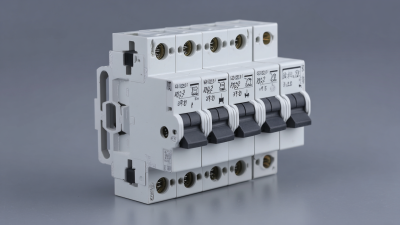
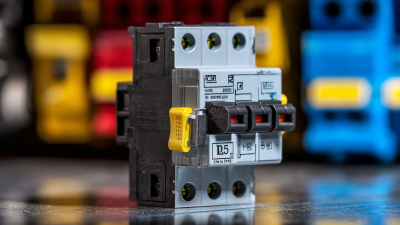
An RCCB, or Residual Current Circuit Breaker, is a crucial device designed to enhance home safety by preventing electrical shocks and reducing the risk of electrical fires. It works by monitoring the electrical current flowing through the live and neutral wires. If it detects an imbalance—indicating a possible leakage current which can occur if there is a fault—the RCCB quickly disconnects the electricity supply. This rapid action can save lives, protect appliances, and mitigate damages caused by electrical faults.
For homeowners looking to install an RCCB, it is essential to choose a device that matches their specific electrical needs and ensures compatibility with their home’s electrical system. Selecting a reliable manufacturer is equally important; Zhejiang Cejia Electric Co., Ltd. offers over 20 years of experience in the industry, providing professional energy storage power supply solutions and high-quality safety devices. Their reputation for competitive pricing and quality products makes them a trusted choice for ensuring a safe and secure electrical environment in homes.
When choosing a Residual Current Circuit Breaker (RCCB) for home safety, it’s crucial to pay attention to several key features. Firstly, consider the rated residual operating current. For most residential applications, an RCCB with a rating of 30mA is recommended, as it offers protection against electric shocks while minimizing unnecessary trips. Additionally, select a device that has an appropriate current rating (e.g., 40A, 63A) based on your home's overall electrical load.
Another important feature is the type of RCCB. There are two main types: Type AC, which is designed for alternating currents, and Type A, which can also handle pulsating direct currents. For homes with specific appliances that may generate such currents, opting for a Type A RCCB is wise.
**Tips:** Ensure that the RCCB is compliant with local safety standards and regulations to guarantee optimal performance. Regular testing of the device using the built-in test button will help maintain its functionality and safety. Lastly, consult with a qualified electrician for proper installation, ensuring the device is correctly connected and suited for your home’s electrical system.
When selecting an RCCB (Residual Current Circuit Breaker) for your home, it is crucial to determine the appropriate ratings that align with your electrical system's requirements. The RCCB ratings are primarily defined by the rated current and the rated residual operating current. Commonly, a 30mA RCCB is suitable for personal protection against electric shock, while a 100mA or higher rating is typically used for fire protection. Ensuring that the chosen RCCB matches the electrical load demands and provides adequate protection is vital for home safety.
At Zhejiang Cejia Electric Co., Ltd., we leverage over 20 years of expertise to deliver high-quality energy storage solutions and reliable RCCB devices. Our products are designed to meet international market standards, providing both safety and efficiency for residential applications. By choosing CEJIA's RCCBs, customers can benefit from competitive pricing without compromising on safety features, ensuring a secure environment for their homes and families.
Installing an RCCB (Residual Current Circuit Breaker) device is crucial for ensuring electrical safety at home. To begin, you'll need to gather the necessary tools, including a screwdriver, wire strippers, and a voltage tester. First, turn off the main power supply to prevent any electrical shock during the installation process. Identify a suitable location for the RCCB, ideally in the main electrical panel where it can effectively monitor all circuits.
Next, connect the RCCB by identifying the live and neutral wires from the incoming supply. Strip the ends of the wires, then connect the live wire to the terminal marked 'L' and the neutral wire to the terminal marked 'N' on the RCCB. Ensure all connections are tight to prevent any arcing. Once connected, proceed to link the outgoing wires to the load terminals. After double-checking all connections, restore the power and test the RCCB using the test button to ensure it functions correctly. If done properly, your home will be safer from electrical faults and potential hazards.
When installing an RCCB (Residual Current Circuit Breaker) device for home safety, avoiding common mistakes is crucial to ensure effective protection against electrical hazards. One prevalent error is neglecting to select the appropriate RCCB rating for your home's electrical load. Each RCCB has a specific current rating and tripping sensitivity; thus, installing one that does not match your system can lead to either nuisance tripping or inadequate protection. It is essential to consult with a qualified electrician to determine the right specifications based on your household's needs.
Another frequent oversight occurs during the installation process itself. Many homeowners attempt to install the RCCB on their own without sufficient knowledge of electrical systems. This can lead to improper wiring, which undermines the safety that the device is meant to provide. Ensuring that the RCCB is correctly connected to the appropriate circuits is vital, as incorrect installation can result in malfunctions or even electrical fires. For this reason, it’s highly recommended to seek professional assistance not only for installation but also for conducting regular maintenance checks to verify that the RCCB is functioning correctly over time.
Regular testing and maintenance of Residual Current Circuit Breakers (RCCBs) are crucial for ensuring optimal safety in residential environments. According to a report by the International Electrotechnical Commission (IEC), improper functioning of RCCBs contributes to over 30% of electrical fire incidents in homes. To mitigate such risks, homeowners should implement a testing schedule, ideally once a month, to verify the RCCB's operational status. This monthly testing involves pressing the "test" button on the device, which should trip the circuit if functioning correctly. Failing to trip indicates a potential malfunction that requires immediate attention.
In addition to routine testing, annual professional maintenance is recommended. A study published by the National Fire Protection Association (NFPA) revealed that regular maintenance can increase the lifespan of electrical devices by up to 25%. During maintenance checks, professionals inspect the RCCB for signs of wear, verify its installation, and ensure compliance with local electrical codes. Homeowners should maintain documentation of all tests and maintenance activities, which not only helps in tracking performance but is also essential for insurance purposes. By prioritizing these practices, households can significantly reduce the risk of electrical hazards and enhance their overall safety.
RCCBs, or Residual Current Circuit Breakers, are essential safety devices designed to prevent electric shock and electrical fires in residential settings. Understanding why an RCCB trips is crucial for effective troubleshooting. Typically, an RCCB trips when it detects an imbalance between the live and neutral wires, which can occur due to faulty wiring, damaged appliances, or moisture ingress.
Regular inspections of these elements can help homeowners identify potential hazards before they result in a trip.
Troubleshooting RCCB issues involves a systematic approach. Start by checking any recently used electrical appliances for faults or damage. If the RCCB continues to trip after disconnecting appliances, inspect the wiring for signs of wear or loose connections. In some cases, the RCCB may simply be faulty and require replacement.
By understanding these common issues, homeowners can maintain their RCCB devices more effectively, ensuring their home remains a safe environment.
Regular testing and maintenance of RCCBs will enhance their reliability and longevity, providing peace of mind for daily electrical use.
: An RCCB (Residual Current Circuit Breaker) is a safety device that helps prevent electric shock and electrical fires by detecting imbalances between live and neutral wires. It is crucial for protecting residents from electrical hazards.
A common mistake is neglecting to choose the appropriate RCCB rating that matches the home's electrical load, which can lead to nuisance tripping or inadequate protection.
It is not advisable to install an RCCB on your own without sufficient knowledge of electrical systems, as improper wiring can lead to malfunctions and safety risks. It’s recommended to seek professional assistance.
Start by checking recently used electrical appliances for faults. If the RCCB continues to trip after disconnecting appliances, inspect the wiring for wear or loose connections. The RCCB may also need to be replaced if it is faulty.
If the RCCB trips without visible issues, it’s possible that the RCCB itself is faulty. Consider replacing it and have a qualified electrician inspect your electrical system.
Regular maintenance checks on your RCCB are essential to ensure it is functioning correctly. Consult with a qualified electrician to establish a routine inspection schedule for optimal safety.
Regular inspections help homeowners identify potential hazards, such as faulty wiring or damaged appliances, thereby preventing unexpected trips and enhancing overall safety.
Yes, moisture ingress can cause an RCCB to trip by creating imbalances in the circuit. Keeping electrical components dry is essential for their proper function.
Understanding why an RCCB trips is crucial for effective troubleshooting and maintaining a safe home environment by addressing issues before they escalate into hazards.
Improper installation of an RCCB can lead to safety issues such as malfunctioning devices, nuisance tripping, or even electrical fires, which compromises the safety it is designed to provide.
The article titled "2025 How to Choose and Install RCCB Device for Home Safety" emphasizes the critical role of RCCB devices in ensuring electrical safety within homes. It begins by defining what an RCCB (Residual Current Circuit Breaker) is and underscores its importance in preventing electrical shocks and fire hazards. Key features to consider when selecting an RCCB are highlighted, including the device's sensitivity ratings, which are vital for effectively protecting household electrical systems.
Furthermore, the article provides a comprehensive step-by-step guide on the installation process, while also addressing common mistakes that should be avoided to ensure safe installation. Additionally, the importance of regular testing and maintenance of RCCB devices is discussed to ensure they operate optimally. With over 20 years of experience, Zhejiang Cejia Electric Co., Ltd. offers quality RCCB devices that align with international safety standards, reinforcing their commitment to providing effective energy storage power supply solutions for homes.