0%

So, you know, the AC/DC Miniature Circuit Breaker (or MCB for short) is actually a pretty important part of modern electrical setups. It’s basically there to protect your circuits from getting overloaded or shorted out, which is super important for safety and peace of mind. People tend to rely on these devices because they’re reliable; they really do their job well and help keep everything safe on the electrical front.

What’s pretty cool is that these circuit breakers can handle both AC (that’s your regular household power) and DC (like what you find in batteries and solar systems). That dual compatibility makes them really handy, especially in industrial or more complex settings. Lots of manufacturers, including big names like Schneider Electric, make high-quality AC/DC MCBs that you can count on. They work great, but honestly, understanding how they operate can sometimes be overlooked—that’s a bit risky.

In everyday life, folks might not give these little breakers much thought. But the truth is, if one of these fails or trips unexpectedly, it can lead to bigger problems that catch you off guard. Knowing how AC/DC MCBs work isn’t just tech talk—it can actually help prevent accidents and keep everyone safe. Plus, they help keep appliances and machinery running smoothly without sudden disruptions.

That said, not everyone really knows much about these devices, which can be a dangerous gap. Spreading awareness and having a bit of education about how they function and why they matter really makes a difference. Basically, the more we understand and respect these little breakers, the safer and more reliable our electrical systems will be.

What is AC DC MCB and How Does it Work?

Definition of AC DC MCB: Understanding the Basics

An AC DC Miniature Circuit Breaker (MCB) is crucial for electrical systems. It provides protection against overcurrents and short circuits. Understanding its function helps in ensuring safety. This device automatically switches off in case of faults, preventing fires and equipment damage.

MCBs can handle both alternating current (AC) and direct current (DC). This versatility makes them suitable for various applications. For example, solar power systems use DC, while most homes use AC. The design allows them to respond differently to each current type. Still, their primary role remains the same: to interrupt flow and protect circuits.

Selecting the right MCB is not always straightforward. It requires knowledge of your electrical system’s needs. Consider the load type and circuit usage. MCBs differ in ratings and characteristics. A mismatch can lead to inefficiency. Proper installation and regular checks are essential, ensuring maximum effectiveness and safety.

Key Components of AC DC MCBs and Their Functions

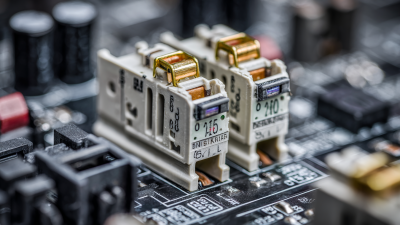
AC DC miniature circuit breakers (MCBs) are essential in modern electrical systems. They operate by monitoring the current flow and automatically breaking the circuit when an overload or short circuit occurs. This prevents damage and enhances safety. The design includes several key components.

The main parts are the thermal and magnetic trip units. The thermal trip responds to prolonged overloads. It uses a bimetallic strip that bends with heat, separating the contacts. The magnetic trip acts rapidly during short circuits. It consists of an electromagnet that triggers the switch instantly, preventing significant current flow.

Another crucial element is the actuator mechanism. This allows for manual operation, providing an easy way to reset the breaker. The enclosure protects the internal components, ensuring durability over time. However, some users overlook maintenance, which can lead to failures. Regular inspection is essential to ensure all parts function correctly. Balancing these components is vital for optimal performance and reliability.

How AC DC MCBs Differ from Standard Circuit Breakers

AC DC MCBs, or Miniature Circuit Breakers, play a crucial role in electrical safety. Unlike standard circuit breakers, these devices protect both alternating current (AC) and direct current (DC) systems. This dual functionality makes them valuable in modern applications. Many people still rely heavily on traditional circuit breakers. They might not consider the risks of using them with DC systems.

The key difference lies in their design and operation. AC DC MCBs are built to manage different electrical waveforms. They respond quickly to faults in AC and DC circuits. This is critical for preventing electrical fires or equipment damage. Standard breakers may not react effectively to DC faults. This can lead to severe safety risks. Electrical professionals often highlight these differences. Yet, some users overlook them. Awareness of these distinctions is essential for proper installation and safety.

In practical terms, consider a solar power system. It uses DC electricity, which can be tricky. An AC-only breaker may simply not work. In contrast, an AC DC MCB handles such challenges easily. Choosing the right type protects investments and ensures safety. Too often, decisions are made without understanding these nuances. A little research can go a long way.

The Working Mechanism of AC DC MCB Explained

AC DC MCB stands for Miniature Circuit Breaker. It is designed for protecting electrical circuits. The working mechanism of AC DC MCB involves sensing the current and quickly disconnecting the circuit when it detects an overload or short circuit. This action prevents potential damage to appliances and reduces fire risks.

The AC DC MCB has sensitive components that react to changes in current. When current exceeds the set limit, it trips. A spring mechanism quickly disconnects the flow. It helps keep your home and appliances safe. This device works effectively in both AC and DC systems. However, one must ensure correct settings and proper installation for optimal performance.

Tips: Always check local regulations before installation. Choose the correct rating for your appliances. Regular maintenance checks can enhance performance. Sometimes, MCBs may trip without obvious overload. It could indicate underlying issues needing attention. Ignoring these warnings might lead to bigger problems down the line.

Applications of AC DC MCB in Electrical Systems

What is AC DC MCB and How Does it Work?

AC DC MCBs, or miniature circuit breakers, are key components in modern electrical systems. They can manage both alternating current (AC) and direct current (DC) loads. This versatility makes them effective in diverse applications. AC DC MCBs provide overcurrent protection, which is crucial for enhancing safety. They help prevent overheating and potential fire hazards in electrical installations.

In commercial facilities, AC DC MCBs are often used in solar energy systems. These systems require reliable protection for both AC and DC circuits. AC DC MCBs ensure that power flow is safely interrupted during faults. In industrial setups, they protect machinery and sensitive equipment from current surges. These breakers can also be found in electric vehicle charging stations. Their ability to handle different types of electrical loads makes them invaluable.

However, the implementation of AC DC MCBs is not without challenges. Installation may require specific training or expertise. Misconfiguration can lead to failures in protection. Regular maintenance is essential to ensure dependable operation. Sometimes, users neglect this aspect, leading to potential risks. Prioritizing proper handling and understanding is crucial for using AC DC MCBs effectively.

Safety Features and Benefits of Using AC DC MCB

AC DC miniature circuit breakers (MCBs) offer crucial safety features for electrical systems. According to a recent industry report, around 30% of electrical faults can lead to fire hazards. MCBs automatically disconnect the circuit when an overload or short circuit occurs, reducing this risk significantly. This automatic shutdown feature can save lives and prevent extensive property damage.


In addition to fire safety, AC DC MCBs protect electrical devices from damage due to voltage spikes. Many industries now report that nearly 20% of equipment failures are linked to electrical surges. By using MCBs, businesses can enhance the longevity of their equipment. However, it’s essential to ensure that the MCB is correctly rated for the application. A miscalibrated MCB can lead to unnecessary interruptions or, worse, may fail to protect when needed.


In real-world applications, users have reported mixed experiences. Some find MCBs reliable, while others encounter tripping issues during operation. This inconsistency illustrates the need for thorough assessments before deployment. Balancing safety features with practical performance remains a challenge for both manufacturers and users in the field.

Troubleshooting Common Issues with AC DC MCBs

Troubleshooting issues with AC DC Miniature Circuit Breakers (MCBs) can be challenging. These devices are crucial for protecting electrical circuits. A common problem is the breaker tripping unexpectedly. This could stem from overload conditions or short circuits. Industry reports suggest that approximately 20% of circuit breaker failures result from overloading.

If your MCB trips frequently, check the connected appliances. They may draw excessive current, triggering the protection mechanism. Inspect for any wiring faults as well. Loose connections can cause arcing and premature tripping. A thorough check of the circuit is essential to prevent further issues.

Tips: Regular maintenance is vital. Ensure connections are tight and inspect wires for damage. If you replace a breaker, confirm that it is suited for the load. Pay attention to unusual sounds or smells from the breaker. These signs could indicate deeper issues.

Lastly, remember that not all tripping is due to faults. Occasional tripping can happen during power surges. Nevertheless, if problems persist, consider consulting a professional. They can provide insights that self-troubleshooting might miss.

Comprehensive Guide to Choosing the CJMD16-63 1-4p 250V-1000V 10ka DC Miniature Circuit Breaker for Your Electrical Needs

When selecting a miniature circuit breaker (MCB) for electrical applications, the CJMD16-63 1-4p 250V-1000V 10ka DC Miniature Circuit Breaker stands out due to its advanced features designed for both safety and efficiency. Its state-of-the-art design is not just about aesthetics; the elegant appearance, combined with an arc-shaped cover and handle, ensures comfortable operation. One notable feature is the contact position indicating window, which allows users to easily identify the operational status of the MCB. Additionally, a transparent cover is included for convenient labeling, making it user-friendly even in complex installations.

The handle's central-staying function is particularly beneficial during fault conditions. When overload occurs, the MCB trips, and the handle remains in a central position, providing a clear indication of the faulted circuit. This design feature facilitates quick troubleshooting, as it allows technicians to identify and rectify issues promptly. The MCB is equipped with a high short-circuit capacity of 10kA for the entire range, and an impressive 15kA for current ratings up to 40A, ensuring robust performance under adverse conditions, which significantly enhances electrical safety.

Moreover, the CJMD16-63 is built with additional safety mechanisms, such as a handle padlock device that secures the breaker in either the "ON" or "OFF" position, preventing unwanted operation. The screw terminal lock device adds another layer of reliability by preventing the accidental disconnection of terminals. Reports indicate that the reliability of such mechanisms contributes to a reduction in equipment downtime, making it an essential consideration for any electrical system seeking reliability and safety.

FAQS

: What are

C DC MCBs?

How do AC DC MCBs differ from standard circuit breakers?

AC DC MCBs manage different electrical waveforms, while standard breakers may not handle DC faults effectively.

Why are AC DC MCBs important for solar power systems?

They provide reliable protection for DC circuits in solar systems, ensuring safety during faults.

Can standard circuit breakers be used for DC applications?

No, standard circuit breakers may not respond adequately to DC faults, posing safety risks.

What role do AC DC MCBs play in industrial settings?

They protect machinery and equipment from current surges, preventing damage and enhancing safety.

Is there a need for training when installing AC DC MCBs?

Yes, proper installation often requires specific training to avoid misconfiguration and failures.

What maintenance do AC DC MCBs require?

Regular maintenance is crucial for reliable operation and to minimize potential risks.

Are there challenges with using AC DC MCBs?

Yes, installation and maintenance can be challenging and often neglected by users.

How can awareness improve the use of AC DC MCBs?

Understanding their differences and applications ensures better installation and safety practices.

What can happen if AC DC MCBs are not properly handled?

Improper handling can lead to protection failures and increased safety risks.

Conclusion

AC DC MCBs, or Miniature Circuit Breakers designed for both alternating current (AC) and direct current (DC), are critical components in modern electrical systems. They serve to protect circuits from overloads and short circuits, providing a safeguard for both residential and industrial applications. Unlike standard circuit breakers, AC DC MCBs are equipped to handle the unique challenges posed by DC power, making them essential for renewable energy systems, electric vehicles, and various electronic devices.

The working mechanism of AC DC MCBs involves a combination of electromechanical components that detect fault conditions and interrupt the electrical flow. With safety features including arc suppression and precise trip mechanisms, AC DC MCBs enhance the reliability of electrical systems. Troubleshooting common issues, such as trip sensitivity or operational anomalies, is crucial for maintaining optimal performance and ensuring safety. Overall, the versatility and functionality of AC DC MCBs make them a valuable asset in today's diverse electrical landscape.

Blog Tags:

Ethan

Ethan

Ethan is a dedicated marketing professional at Zhejiang Cejia Electric Co., Ltd., where he leverages his extensive expertise to promote the company's innovative electrical products. With a strong grasp of the industry trends and consumer needs, Ethan plays a pivotal role in shaping the company's......
Previous How to Choose the Right DC Breaker for Your Solar Energy System Efficiency