In the ever-changing world of electrical systems, picking the right MCB breaker is pretty important. For folks around the globe, the options can feel a bit overwhelming—each one with its own features and quirks. Honestly, getting a handle on what’s out there isn’t always easy, but it's really worth the effort to make sure your installations are both safe and efficient.
MCB breakers are actually key players when it comes to protecting your circuits. Some of the biggest names in the game—like Schneider Electric, Siemens, and ABB—are known for their innovative designs. Their products not only promise reliability but also pack some of the latest tech. Still, with so many choices, it can be a bit daunting trying to figure out what’s best for your needs. Every brand kind of has its own strengths, so it’s all about finding the right fit.
Looking ahead to 2026, the landscape of MCB breakers seems to be a mix of trusted favorites and exciting new tech. Lots of buyers get stuck trying to balance what they want to spend with what they need to get quality-wise. At the end of the day, investing in a dependable MCB breaker really pays off in the long run. Doing your homework and doing some research can make a big difference when it comes to making smart choices. And as you weigh your options, don’t forget to think about your specific needs and safety standards—those are super important.
Overall, it’s all about finding that sweet spot between reliability, safety, and affordability—so take your time and choose wisely!
In 2026, the landscape of Miniature Circuit Breakers (MCB) is evolving. MCBs are crucial for electrical safety and efficiency. According to industry reports, the global MCB market is projected to reach approximately $4 billion by 2026, driven by a rise in construction and renewable energy projects. The increasing demand for energy-efficient solutions highlights their importance.
The technological advancements in MCBs are noteworthy. Smart MCBs are gaining traction, offering real-time monitoring and control. This innovation enhances safety and energy management. Data indicates that smart solutions could reduce energy consumption by 10-15%. However, adoption rates vary across regions, influenced by infrastructure and regulatory environments. The need for training and awareness in using advanced MCBs is evident.
Despite these advancements, challenges remain. Many electrical engineers express concerns about interoperability between older systems and new MCB technology. Additionally, some users report difficulty in understanding the technical specifications of MCBs. This disconnect can lead to suboptimal choices during installations. Ongoing education and clear guidance are essential to bridge this gap and improve user confidence.
When selecting the best MCB (Miniature Circuit Breakers), certain key features are essential. An MCB’s tripping characteristics play a crucial role in performance. There are mainly three types: B, C, and D curves, which define the current at which the device will trip. According to industry reports, B curve breakers are suitable for residential and commercial applications, while C curve breakers are ideal for industrial use. These specifications ensure safety against overloads and short circuits.
Another important feature is the breaking capacity of the MCB. This is the maximum fault current the device can safely interrupt without failure. Typically, MCBs come in ratings from 6A to 125A, with higher ratings for larger loads. A dependable MCB should have a breaking capacity of at least 6 kA, ensuring it can handle unexpected surges efficiently. Failure to choose the correct capacity could lead to severe damage to electrical systems.
Tips: Always check the MCB's voltage rating too. Selecting a model with an adequate voltage range is crucial. When in doubt, consult with a professional electrician to ensure compatibility with existing systems. Furthermore, consider the quality of materials and manufacturing standards for enhanced durability, as reliability can vary across models. Regular testing and maintenance are also vital to affirm the MCB’s functionality over time.
When considering the best MCB (Miniature Circuit Breaker) options, buyers should focus on top brands recognized for their reliability and performance. According to industry reports, the global MCB market reached approximately $4 billion in 2022, with a projected growth of 6% annually through 2026. This growth indicates a rising demand for reliable circuit protection across various sectors.
The leading brands in the MCB market emphasize innovation and sustainability. Many of them have embedded advanced features, such as enhanced fault detection and improved energy efficiency. Notably, buyers prioritize products that adhere to international safety standards. A significant percentage of industry reports suggest that over 70% of users prefer MCBs that have undergone rigorous testing and certification. This trend reflects a growing awareness of the need for safety and efficacy.
However, not all brands consistently deliver high performance. Some products may experience issues under extreme conditions, leading to unsatisfactory results. As a buyer, it’s crucial to research and review performance metrics. This will help in making informed decisions. Balancing cost with quality remains a challenge. In an evolving market, staying updated on product reviews and expert insights can significantly enhance purchasing choices.
The global market for MCB (Miniature Circuit Breaker) options is diverse, with prices varying significantly across regions. A recent industry report indicates that prices for MCBs range between $2 and $25 per unit, depending on specifications. In Europe, the average price tends to be higher, often exceeding $15 due to strict safety regulations and quality standards. Meanwhile, MCBs in Asia are generally cheaper, with many units available for under $10.
Consumer preferences also affect pricing. For instance, buyers in emerging markets may prioritize cost over advanced features. According to data from the International Electrotechnical Commission, over 50% of global MCB sales fall into the low-cost category. However, the quality of these products can be inconsistent. Many buyers report issues with lower-quality breakers, leading to potential safety risks. This raises questions about the long-term reliability of cheaper options.
While cost is a crucial factor, it is essential to consider quality and compatibility. A survey conducted by the Global Electrical Manufacturers Association revealed that 40% of users expressed dissatisfaction with cheaper MCBs. They noted frequent trips and failures. These insights highlight the importance of conducting thorough research before making a purchase decision. Balancing cost and quality remains a challenge for global buyers.
When selecting MCB (Miniature Circuit Breakers) for global markets, safety standards play a crucial role. Compliance with international norms, such as IEC 60898 and UL 489, ensures reliable performance. These standards safeguard users from electric shocks and equipment damage. Recent data from the International Electrotechnical Commission indicates that adherence to these standards can reduce electrical incidents by up to 70%.
Quality certifications are vital. Products with recognized labels confirm rigorous testing and compliance. For instance, the CE mark signifies conformity with European health, safety, and environmental standards. Similarly, the UL mark offers assurance for products sold in North America. Buyers should verify these certifications to avoid unqualified products.
Tip: Always request documentation of safety certifications. This can prevent future complications or failures.
Understanding the various ratings and classes of MCBs is also essential. Different environments require specialized breakers. For example, Type B breakers are ideal for residential use, while Type C suits commercial settings with inductive loads. Misjudging these ratings can lead to system failures.
Tip: Consult with industry experts for tailored advice on MCB selection.
The landscape of electrical safety is evolving. Regular assessments and updates to safety regulations should guide purchases. Being informed helps avoid costly mistakes in project implementations.
The landscape of MCB breakers is undergoing significant transformation. Emerging trends signal a shift towards smarter, more efficient devices. These innovations focus on real-time monitoring, automatic fault detection, and enhanced connectivity. Modern MCB breakers now often include features that allow integration with building management systems, creating a seamless energy management experience.
Moreover, sustainability is becoming central in MCB breaker design. Manufacturers are exploring materials that reduce environmental impact. This involves innovating energy-efficient technologies. However, questions remain about the balance between performance and ecological considerations. Limited data on longevity and efficiency in all conditions can make decisions complex. Buyers may also struggle with the pace of advancements, which can quickly render existing models outdated.
As safety standards evolve, MCB breakers must keep pace. Enhanced protection functions, such as earth leakage detection, are now commonplace. Yet, the variable quality of components can lead to inconsistencies in performance. This raises concerns about reliability, especially in critical applications. Stakeholders must weigh these factors carefully when selecting MCB breakers, ensuring they meet both safety and efficiency benchmarks.
Choosing the right MCB breaker can seem daunting. However, understanding your unique needs simplifies the process. Begin by assessing the total load your electrical system will handle. This is crucial for selecting an MCB with a suitable current rating. Underestimating this could lead to frequent circuit failures.
Consider the environment where the MCB will be installed. Humidity and temperature levels significantly influence performance. An indoor setting may not require the same specifications as an outdoor one, which faces harsher conditions. Additionally, think about the type of electrical appliances connected. Diverse loads can require multiple breakers tailored for specific requirements.
Finally, prioritize features like tripping mechanisms and response times. These can vary greatly among options available in the market. It’s essential to research different standards that govern these devices. This knowledge can help avoid potential safety hazards. Selecting an MCB is not just about meeting regulations but ensuring long-term reliability and safety in your electrical system.
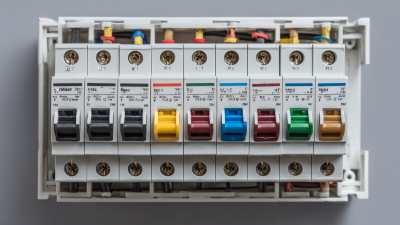
The Factory Price 4Way Circuit Breaker Plastic Electrical Distribution MCB Junction Box represents a significant advancement in electrical distribution systems, integrating robust performance with essential safety features. Designed to comply with the IEC60439-3 standard, this junction box supports electric ratings of up to 63A and operates efficiently at voltages of 240/415V across both 50Hz and 60Hz AC systems. This flexibility makes it suitable for various applications, offering peace of mind to users in both residential and commercial environments.
One of the key advantages of this product is its versatility in configuration. The junction box is available in multiple pole configurations, including 1, 2, 3, or 4 poles, catering to a wide range of installation needs and allowing for scalability in electrical systems. Furthermore, it features an IP30 rating which signifies its ability to provide a degree of protection against solid objects, ensuring adequate safety against accidental contact and making it an ideal choice for indoor use.
Manufactured from PC fire-resistant material, the junction box prioritizes safety and durability. The inclusion of a locking mechanism further enhances its reliability, making it tamper-proof and securing critical electrical connections. According to industry reports, the adoption of fire-resistant materials in electrical distribution solutions has seen a steady rise, emphasizing the increasing demand for safety-centric designs in electrical infrastructure. By integrating these features, the Factory Price 4Way Circuit Breaker Junction Box offers a comprehensive solution that meets the evolving needs of electrical systems while ensuring compliance with international safety standards.
: MCBs are devices that protect electrical circuits from overloads and short circuits. They enhance safety and efficiency.
The MCB market is expected to reach $4 billion by 2026. Increased construction and renewable energy projects drive this growth.
Important features include tripping characteristics and breaking capacity. Choose B curves for residential and C curves for industrial use.
Smart MCBs provide real-time monitoring and control. They can reduce energy consumption by 10-15%, enhancing energy management.
Users often struggle with interoperability issues and understanding specifications. Lack of clear guidance can lead to poor installation choices.
Breaking capacity refers to the maximum fault current an MCB can safely interrupt. Choosing the right capacity prevents severe system damage.
Check the quality of materials and manufacturing standards. Regular maintenance and testing can also ensure its longevity and reliability.
Consult a professional electrician for advice on compatibility with existing systems. This ensures safe and effective installation.
Research performance metrics and read reviews. Staying updated on expert insights helps in making informed purchasing decisions.
In 2026, the landscape for MCB breakers has evolved with various options tailored for global buyers. This article explores the fundamental aspects of MCB breakers, highlighting the key features one should consider, such as sensitivity ratings, response times, and trip characteristics. A comparative analysis of prices worldwide sheds light on the economic aspects, while the adherence to safety standards and certifications ensures reliability across different markets.
Furthermore, the article delves into emerging trends in MCB breaker technology, including advancements in smart connectivity and enhanced safety features. Conclusively, guidelines are provided to assist buyers in selecting the right MCB breaker that meets their specific needs, ensuring optimal performance and safety in their electrical systems.